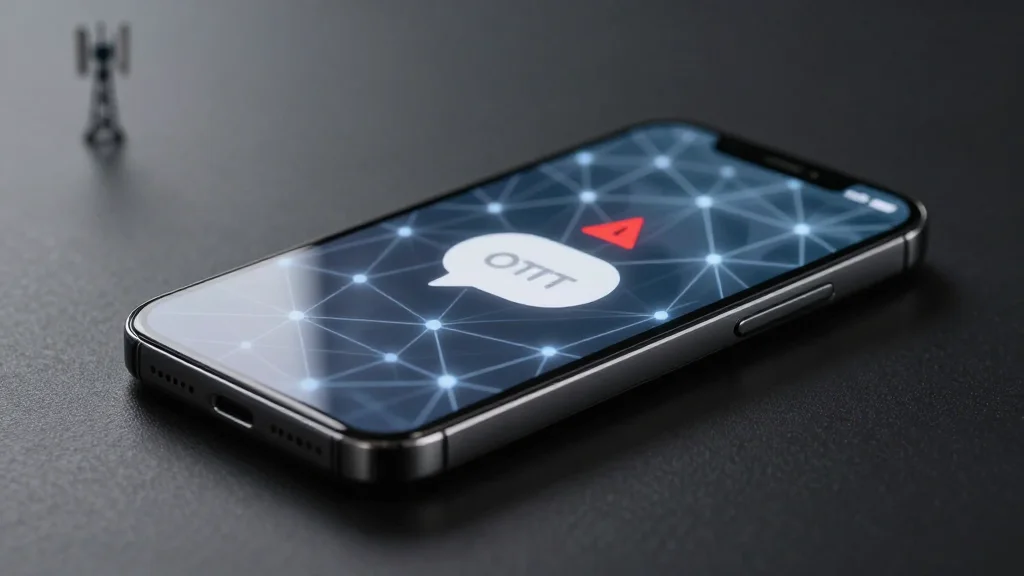
80% Spam Calls, Messages Move to OTT Communications Platforms: Telcos
Companies Mentioned
Why It Matters
The shift to OTT channels undermines current telecom‑level spam controls, exposing consumers to fraud and pressuring regulators to broaden oversight. The outcome will shape the cost structure and privacy landscape for both traditional carriers and internet‑based communication apps.
Key Takeaways
- •80% of spam traffic now shifts to OTT apps, per COAI
- •TRAI’s AI spam‑filter proposal faces technical and legal hurdles
- •Operators back a 50 paise/min (≈ $0.006) deterrent charge on robocalls
- •OTT platforms argue spam‑report data are proprietary assets
- •BSNL and enterprises warn fees could hurt OTPs and alerts
Pulse Analysis
India’s telecom ecosystem is at a crossroads as regulators tighten spam controls on traditional voice and SMS networks. Operators such as Reliance Jio, Bharti Airtel and Vodafone Idea have deployed AI‑driven filters, header registration and strict KYC, which have driven roughly 80% of unsolicited traffic onto over‑the‑top (OTT) messaging and calling apps. This migration erodes the effectiveness of the Telecom Regulatory Authority of India’s (TRAI) anti‑spam framework, leaving consumers vulnerable to phishing, fraud and unwanted marketing on platforms that fall outside the current statutory regime.
TRAI’s latest draft seeks to close the gap by mandating AI‑based tagging and blocking of spam calls, and by introducing a deterrent levy of 50 paise per minute (approximately $0.006) on mass robocalls. However, the proposals encounter practical and legal obstacles. AI models still struggle to meet the high‑confidence thresholds required to avoid false positives, and integrating AI flags into TRAI’s distributed ledger‑based complaint system could overload the platform. OTT providers, including Truecaller, argue that their crowdsourced spam databases are proprietary assets and resist compulsory data sharing, while the Supreme Court’s precedent on delegated legislation adds uncertainty to TRAI’s jurisdiction over internet apps.
The debate over the deterrent charge highlights a broader tension between curbing spam and preserving essential services. While operators view the fee as an economic disincentive for spammers, state‑run BSNL and enterprise users warn that added costs could inflate prices for critical communications such as OTPs, delivery coordination and banking alerts. If implemented, the levy could be passed to end‑users, potentially reshaping pricing models across both telecom and OTT sectors and prompting a reevaluation of how spam mitigation is funded in a digitally integrated market.
80% spam calls, messages move to OTT communications platforms: Telcos
Comments
Want to join the conversation?
Loading comments...