Advanced Microelectronics Paving the Way for 6G with Alphacore
Key Takeaways
- •6G targets sub‑terahertz bands above 100 GHz for ultra‑wide bandwidth.
- •Power‑amplifier efficiency and thermal management become critical at these frequencies.
- •Massive phased‑array antennas demand dense, low‑loss RF integration.
- •AI‑driven network functions require specialized edge accelerators with high performance‑per‑watt.
- •3D heterogeneous packaging merges silicon, SiGe, and compound semiconductors, reducing signal loss.
Pulse Analysis
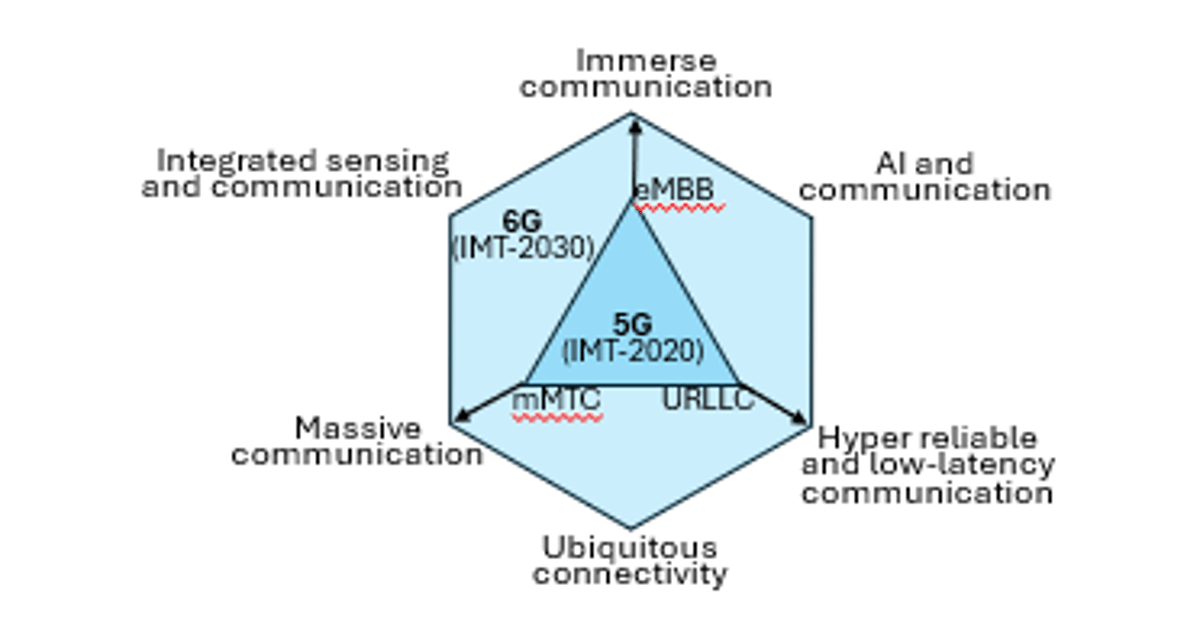
The push toward 6G reflects a strategic shift from merely boosting data rates to creating networks that sense, compute, and adapt in real time. While 5G continues its global rollout, standards bodies such as the ITU and 3GPP are already defining IMT 2030 objectives that blend communication with integrated sensing and AI. This forward‑looking vision expands the radio spectrum into the upper millimeter‑wave and sub‑terahertz domains, promising multi‑gigabit per second links and unprecedented latency reductions, but it also introduces physics‑level hurdles that only next‑generation microelectronics can overcome.
Operating above 100 GHz forces power amplifiers to contend with severe efficiency losses and heightened thermal stress, while massive antenna arrays require ultra‑dense RF front‑ends and high‑speed data converters. The resulting power‑budget constraints demand semiconductor devices that deliver higher gain, linearity, and bandwidth per watt. Simultaneously, the integration of AI directly into the air interface calls for edge‑focused accelerators that can execute inference with minimal energy consumption. These requirements drive a race for novel materials, device geometries, and circuit architectures that can sustain the rigorous performance envelope envisioned for 6G.
Advanced packaging is emerging as the linchpin that bridges semiconductor innovation with system‑level viability. Two‑ and three‑dimensional heterogeneous integration shortens interconnect paths, curtails parasitic losses, and enables the seamless coupling of silicon logic, SiGe RF, and compound‑semiconductor power stages within a single module. By co‑designing memory, compute, and radio components, manufacturers can meet the stringent power‑efficiency and thermal targets essential for large‑scale deployment. As the industry transitions from concept to specification, the collaboration between standards committees and semiconductor engineers will dictate the pace at which 6G moves from laboratory prototypes to commercial reality.
Advanced Microelectronics Paving the Way for 6G with Alphacore
Comments
Want to join the conversation?