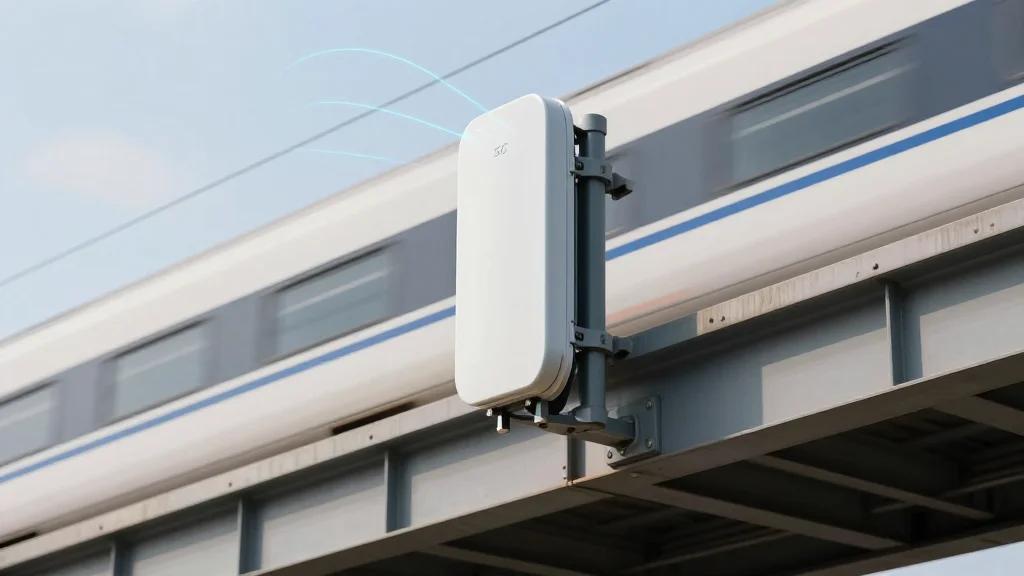
Airtel and Jio Lead Network Performance in Varanasi, Hardoi and Railway Routes
Why It Matters
The results underscore Jio’s and Airtel’s competitive edge, influencing subscriber churn, pricing power and future 5G rollout plans, while signaling urgent upgrades for Vodafone Idea and BSNL to remain viable.
Key Takeaways
- •Jio achieved 100% call‑setup success and 0.65 s setup time
- •Airtel recorded 99.86% setup success, 1.21 s setup time
- •Jio’s download speed topped 158 Mbps; Airtel 103 Mbps
- •BSNL lagged with 6.8 Mbps download and 2.75% drop rate
- •Poor signal gaps >30% for Vodafone Idea and BSNL in city tests
Pulse Analysis
TRAI’s February 2026 drive‑test offers a rare, data‑rich snapshot of India’s telecom infrastructure across dense urban corridors and high‑traffic rail routes. By logging 426 km of city driving, 123 km of railway tracks and targeted walk tests, the regulator captured real‑world performance for voice and data services on 2G through 5G networks. The methodology, which blends call‑setup success, MOS scores, latency and signal‑strength mapping, provides operators and investors a benchmark for network quality beyond laboratory specs, and it sets a precedent for future transparency in a market serving over 1.2 billion mobile users.
The numbers paint a clear hierarchy: Jio dominates with flawless call setup, the highest MOS, sub‑second setup latency and download speeds that eclipse 150 Mbps, positioning it as the de‑facto standard‑setter for 5G‑ready services. Airtel remains a strong contender, especially in voice reliability and modest data speeds, while Vodafone Idea shows mixed results—zero drop calls but significant signal gaps that erode user experience. BSNL’s performance lags markedly across all dimensions, reflecting its aging infrastructure and limited capital for upgrades. These disparities are especially pronounced on railway routes, where Jio and Airtel sustain low voice‑signal failure rates under 2%, whereas competitors struggle above 14%.
For the industry, the TRAI report signals both opportunity and pressure. Operators trailing the leaders must accelerate fiber back‑haul, small‑cell densification and spectrum refarming to close the quality gap, lest they lose market share to Jio and Airtel, which can leverage superior experience to command premium pricing and attract enterprise contracts. Regulators may use these findings to tighten service‑level expectations, potentially tying spectrum renewals to performance thresholds. Ultimately, the data underscores that network quality—measured in milliseconds and megabits—has become a decisive factor in India’s fiercely competitive telecom arena.
Airtel and Jio Lead Network Performance in Varanasi, Hardoi and Railway Routes
Comments
Want to join the conversation?
Loading comments...