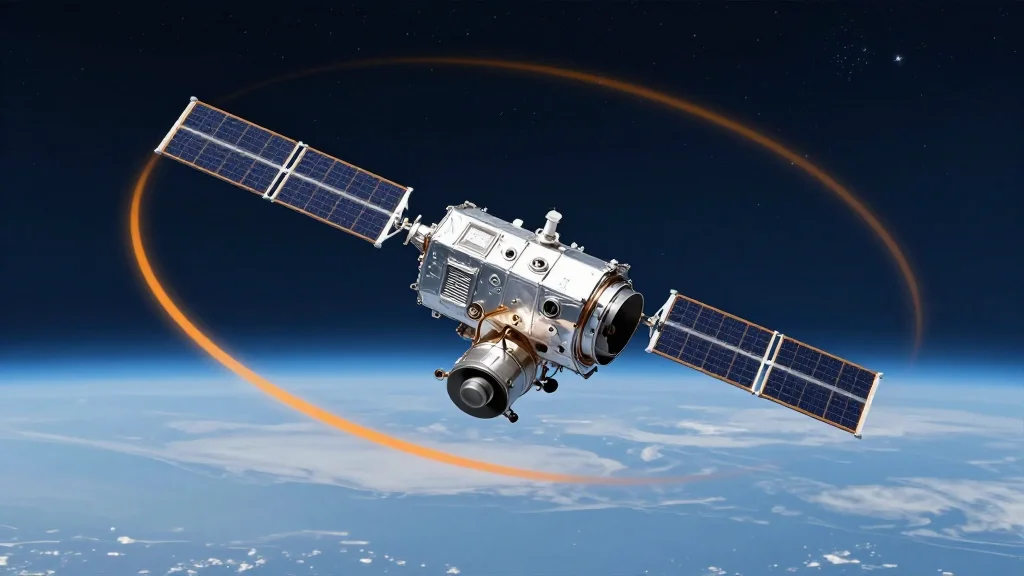
Amazon to Acquire Globalstar, Shifting Ownership of Apple’s Satellite Link

Companies Mentioned
Why It Matters
The transfer of Apple’s satellite communications unit to Amazon reshapes the competitive dynamics of the nascent consumer satellite market. Apple’s SOS feature, a safety lifeline for millions of iPhone users, now depends on a network owned by a company that is simultaneously building a broadband satellite service. This creates both risk and opportunity: risk, because any integration hiccup could affect emergency response times; opportunity, because Amazon’s resources could accelerate network upgrades and expand coverage. Moreover, the deal highlights the strategic importance of spectrum and regulatory assets in satellite communications. By acquiring Globalstar, Amazon gains immediate access to licensed spectrum and established relationships with national regulators—assets that would otherwise take years to develop. This could compress the timeline for Amazon Leo’s global rollout, intensifying competition with SpaceX’s Starlink and potentially driving down prices for consumers seeking satellite connectivity on smartphones, wearables, and IoT devices.
Key Takeaways
- •Amazon agreed to acquire Globalstar, taking over Apple’s 20% stake valued at over $1 billion.
- •Apple’s emergency SOS service on iPhones and Apple Watch will shift to Amazon ownership.
- •Analysts note the deal does not close the scale gap with SpaceX’s Starlink network.
- •Regulatory approval from the FCC and European bodies is required before closing.
- •The transaction is slated to close in H2 2026, pending customary conditions.
Pulse Analysis
Amazon’s move into satellite communications via Globalstar marks a strategic pivot from pure e‑commerce into infrastructure that underpins next‑generation connectivity. Historically, tech giants have preferred to partner with satellite providers rather than own them—Apple’s previous reliance on Globalstar’s narrow‑band network is a case in point. By acquiring the operator, Amazon bypasses the lengthy process of building a constellation from scratch, instantly inheriting spectrum, launch contracts, and a customer base that includes Apple, a high‑profile client.
The acquisition also forces a re‑evaluation of the competitive landscape. SpaceX’s Starlink, with its vertically integrated model and aggressive pricing, has set a high bar for consumer broadband via satellite. Amazon’s Leo service, still in early testing, will need to differentiate itself, perhaps by leveraging Globalstar’s expertise in low‑latency emergency messaging and integrating it with broader broadband offerings. If Amazon can deliver a seamless transition for Apple’s SOS feature, it will demonstrate operational competence that could attract additional device manufacturers.
Looking ahead, the key risk lies in regulatory scrutiny and integration challenges. The FCC may impose conditions to prevent market concentration, especially given Amazon’s growing footprint in both terrestrial and satellite communications. Additionally, aligning Globalstar’s legacy hardware with Amazon’s next‑gen satellite architecture could entail significant engineering effort. Successful navigation of these hurdles could position Amazon as a formidable player in the consumer satellite arena, potentially reshaping pricing, coverage, and the speed at which satellite services become a standard feature on mobile devices.
Amazon to Acquire Globalstar, Shifting Ownership of Apple’s Satellite Link
Comments
Want to join the conversation?
Loading comments...