Apple Launches Beta End‑to‑end Encrypted RCS on iOS 26.5, Targeting Carriers Worldwide

Companies Mentioned
Why It Matters
Encrypted RCS on iOS represents the first time Apple has offered end‑to‑end security for cross‑platform texting, a long‑standing criticism of its ecosystem. By bridging the security gap, Apple can retain users who might otherwise switch to third‑party apps for private communication, reinforcing device lock‑in while also responding to regulatory pressure for interoperable messaging standards. The carrier‑centric rollout also forces telecom operators to modernise their RCS stacks, a costly upgrade that could reshape revenue models tied to SMS. Faster adoption may erode traditional SMS volumes, pushing carriers to explore new services such as RCS‑based commerce or richer advertising formats within the Apple Maps ecosystem.
Key Takeaways
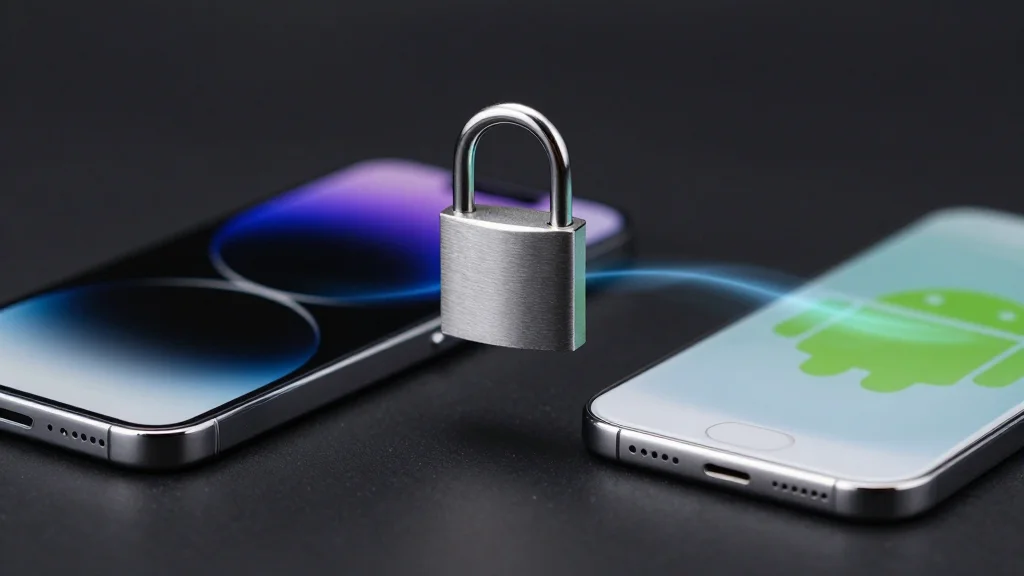
- •Apple’s iOS 26.5 introduces beta end‑to‑end encrypted RCS messaging for iPhone‑Android chats.
- •Feature appears as a lock icon and is enabled by default on supported devices.
- •Rollout depends on carrier support; U.S. carriers Verizon, AT&T, T‑Mobile and Indian carriers Airtel, Jio, Vi are first to adopt.
- •Google CEO Sundar Pichai confirmed the joint effort, highlighting cross‑platform privacy.
- •Encrypted RCS narrows the gap with WhatsApp/Signal and pressures carriers to upgrade legacy SMS infrastructure.
Pulse Analysis
Apple’s decision to embed encrypted RCS in a system update, rather than a standalone app, reflects a strategic bet that control over the user experience outweighs the flexibility of third‑party messengers. By leveraging the native Messages app, Apple can enforce a consistent UI, push security updates centrally, and collect valuable usage data—all while keeping the conversation within its ecosystem. The beta label signals caution, but also gives Apple a testing ground to iron out carrier‑specific quirks before a full global launch.
From a telecom perspective, the move could be a catalyst for accelerated RCS adoption. Historically, carriers have been slow to implement RCS due to fragmented standards and the cost of overhauling SMS gateways. Apple’s market pull, combined with Google’s backing, may finally tip the cost‑benefit analysis in favour of investment, especially as carriers eye new revenue streams from RCS‑enabled services like in‑app commerce and location‑based advertising. However, the dependence on carrier rollout introduces a risk: uneven global coverage could fragment the user experience, potentially driving power users toward end‑to‑end encrypted apps that operate independently of network constraints.
Looking ahead, the encrypted RCS rollout sets a precedent for future interoperability mandates, such as the EU’s Digital Markets Act, which pushes large platforms toward open standards. Apple’s incremental approach—beta first, full rollout later—allows it to balance regulatory compliance with its brand promise of privacy. If carriers can quickly align, the feature could become a new baseline for secure texting, reshaping how consumers evaluate the value of their mobile operating system and, by extension, the devices they purchase.
Apple launches beta end‑to‑end encrypted RCS on iOS 26.5, targeting carriers worldwide
Comments
Want to join the conversation?
Loading comments...