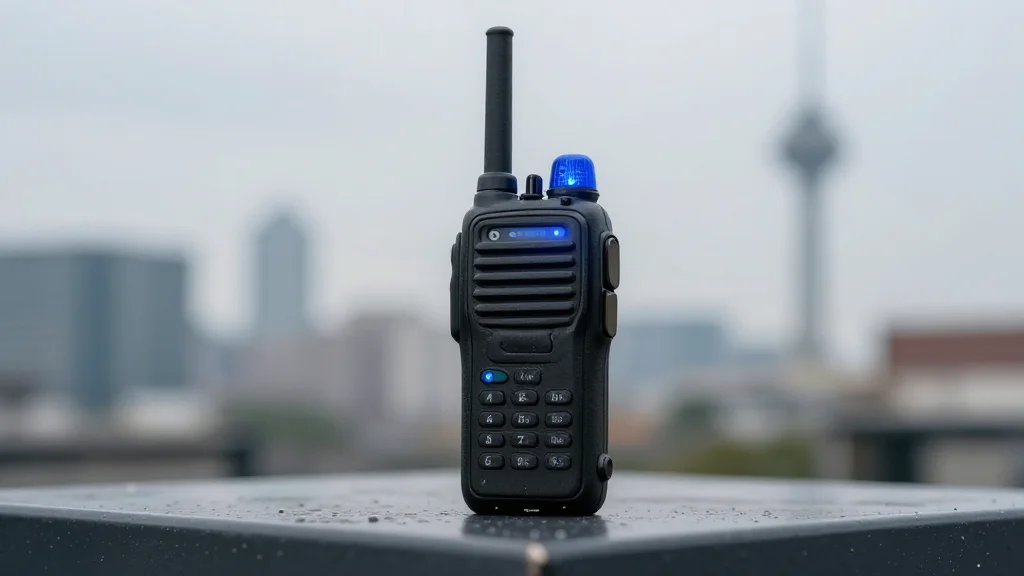
AT&T Secures $2 B Deal to Upgrade FirstNet Public‑Safety Network

Companies Mentioned
Why It Matters
FirstNet is the backbone of emergency communications for more than 20,000 public‑safety agencies across the United States. By injecting $1 billion of new infrastructure, AT&T will improve signal reliability, reduce latency, and enable advanced applications like real‑time video streaming and AI‑driven incident analysis. These capabilities can shave minutes off response times, directly affecting lives saved during crises. The cost‑saving element also eases budget pressures on state and local governments, many of which face fiscal constraints while trying to modernize their own emergency response tools. A more affordable FirstNet service could accelerate adoption of next‑generation devices and software, creating a virtuous cycle of technology uptake and operational efficiency.
Key Takeaways
- •AT&T wins $2 billion contract to upgrade FirstNet
- •~$1 billion earmarked for direct infrastructure investment
- •~$1 billion delivered as cost savings for users
- •Deal fulfills 2025 executive order to strengthen emergency communications
- •Projected 15% reduction in annual operating costs for public‑safety agencies
Pulse Analysis
AT&T’s FirstNet deal marks a decisive shift toward government‑centric revenue streams, a trend that has accelerated across the telecom sector as consumer churn stabilizes. By locking in a multi‑year, high‑value contract, AT&T mitigates exposure to competitive pricing wars in the consumer market and secures a predictable cash flow that can be leveraged for debt reduction or shareholder returns.
Historically, FirstNet’s growth has been incremental, relying on a patchwork of carrier contributions. This $2 billion infusion consolidates the network under a single primary partner, potentially streamlining procurement, maintenance, and future upgrades. The move could set a precedent for other federal programs—such as the Department of Defense’s 5G rollout—to adopt a similar single‑vendor model, reshaping the competitive dynamics among the big three carriers.
From a strategic perspective, the agreement also positions AT&T to showcase its 5G and edge‑computing capabilities in a high‑visibility public‑safety context. Successful deployment could serve as a proof point for commercial customers seeking ultra‑reliable low‑latency communications (URLLC). As the industry eyes the next wave of IoT‑driven emergency services, AT&T’s early foothold may translate into broader market opportunities, reinforcing its standing as a leader in mission‑critical networking.
AT&T Secures $2 B Deal to Upgrade FirstNet Public‑Safety Network
Comments
Want to join the conversation?
Loading comments...