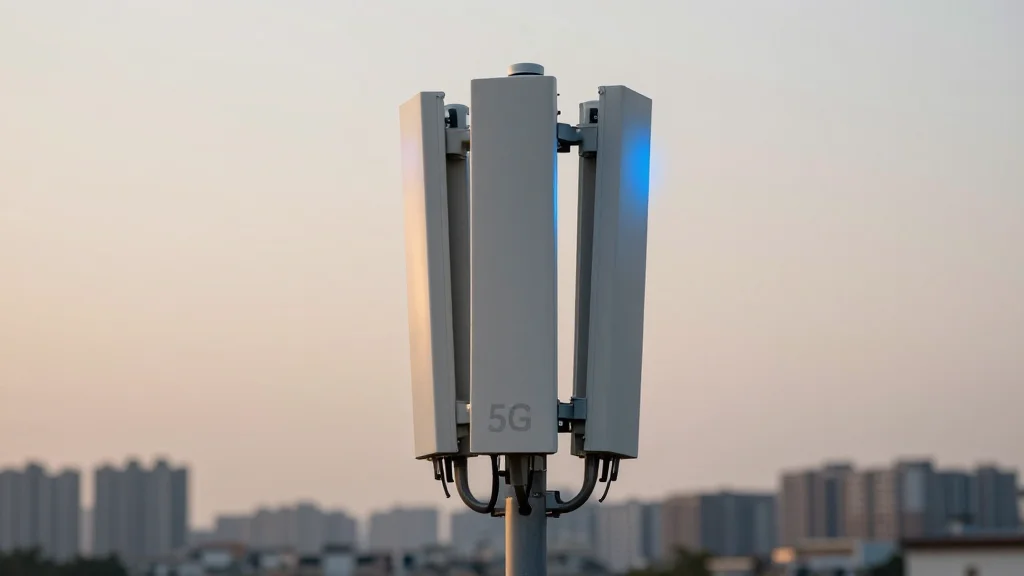
Bharti Airtel Becomes First Indian Telco to Launch 5G Network Slicing-Powered Service
Why It Matters
The service demonstrates a viable revenue stream for Indian telcos by monetising 5G capacity, while raising the quality of mobile experiences for premium users and setting a benchmark for the market.
Key Takeaways
- •Airtel launches India's first 5G network‑slicing “Priority Postpaid” service
- •Service guarantees stable speeds in congested venues like stadiums
- •Postpaid plans start at ₹449 (~$5.4) with OTT bundle
- •Airtel's 5G network now SA‑ready, boosting monetisation potential
- •Competitors Jio and Reliance plan similar slicing offerings
Pulse Analysis
Network slicing, a hallmark of 5G standalone (SA) architecture, partitions a single physical network into multiple virtual channels, each tuned for specific performance criteria. Until now, only a handful of markets—such as the United States, United Kingdom, Singapore, and Malaysia—offered commercial slicing services. Bharti Airtel’s introduction of the “Priority Postpaid” plan marks India’s first consumer‑grade slicing product, delivering consistent throughput even in high‑density environments like stadiums or crowded transit hubs. By dynamically allocating dedicated slices, Airtel can guarantee low latency and reliable bandwidth, closing the gap between Indian and global 5G experiences.
The commercial angle is equally compelling. Airtel bundles the slicing benefit with its existing postpaid tier that begins at ₹449 per month (approximately $5.4), adding premium OTT subscriptions and security features at no extra charge. The top‑end plan, priced at ₹1,749 (~$21), targets heavy data users and enterprise clients seeking guaranteed performance. In the March‑ended quarter, Airtel reported an ARPU of ₹257 (~$3.1), a modest rise from ₹245 a year earlier, suggesting early traction from value‑added 5G services. Competitors Jio and Reliance are racing to launch similar offerings, intensifying the market’s monetisation race.
Looking ahead, the rollout signals a broader shift toward enterprise‑grade 5G use cases in India, from smart factories to tele‑medicine and autonomous logistics. As more operators adopt SA‑ready infrastructure, the ecosystem will support vertical‑specific slices, enabling businesses to purchase only the capacity they need. Regulators have recently clarified the policy framework, reducing uncertainty for carriers. If Airtel can scale the “Priority Postpaid” model and translate premium slices into sustainable revenue, India could emerge as a testing ground for next‑generation digital services, positioning the country as a global 5G innovator.
Bharti Airtel becomes first Indian telco to launch 5G network slicing-powered service
Comments
Want to join the conversation?
Loading comments...