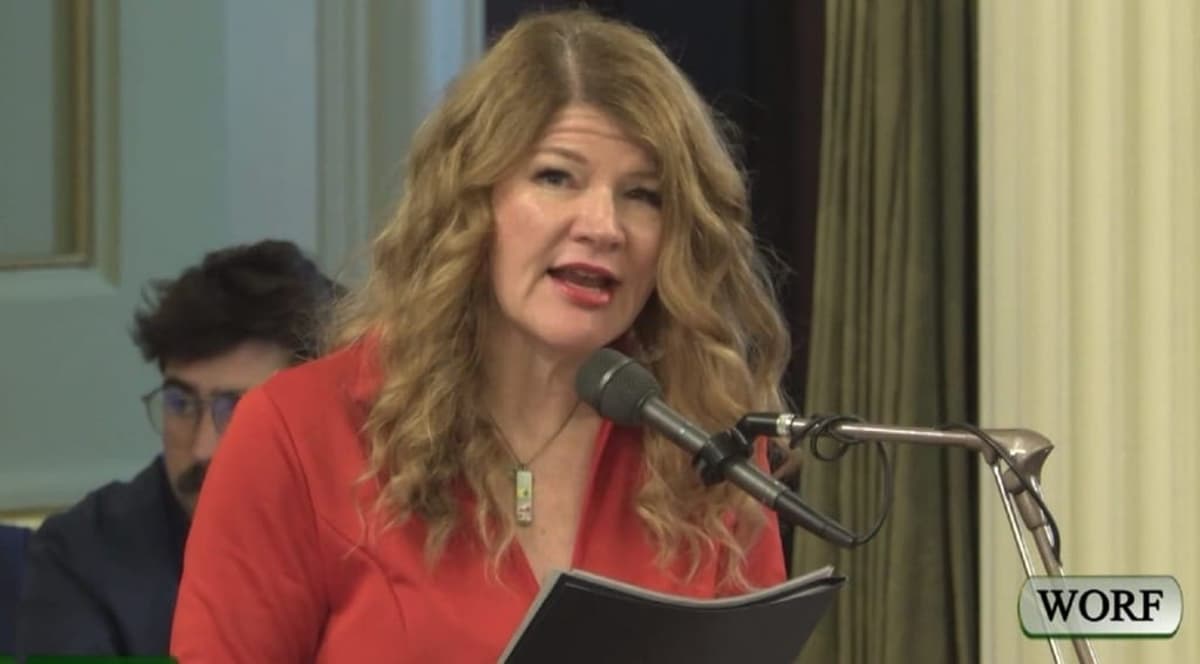
California Assembly Passes Amendment to Strip Telecom From CPUC’s Oversight
Why It Matters
Shifting telecom oversight could streamline CPUC’s focus on energy while creating a dedicated agency for broadband, potentially accelerating universal service and competition in California’s massive market.
Key Takeaways
- •ACA-9 removes telecom from CPUC’s constitutional mandate
- •CPUC expands to nine members, changing appointment balance
- •New state broadband office to launch by Jan 1 2028
- •Legislature gains authority to set telecom oversight and affordability rules
Pulse Analysis
California’s utility regulator has long juggled energy, water, and telecommunications under a single roof, a structure critics argue dilutes focus on high‑stakes energy ratemaking. By amending the state constitution, lawmakers aim to untether telecom from the CPUC, allowing the commission to concentrate on electricity and gas issues that affect every household’s bill. The move reflects a broader trend of specialized oversight bodies, seen in states like Texas where separate entities manage broadband and energy, and signals California’s intent to modernize its regulatory architecture.
The creation of a dedicated state broadband office by early 2028 could reshape the state’s connectivity landscape. With a mandate to promote universal deployment, increase adoption, and foster competition, the office may coordinate funding from federal stimulus, state bonds, and private investment more efficiently than the CPUC’s current fragmented approach. Industry observers note that a focused agency can streamline permitting, reduce duplication, and accelerate projects in underserved rural and low‑income urban areas, potentially narrowing the digital divide that still affects millions of Californians.
However, the amendment also raises political and operational challenges. Expanding the CPUC to nine commissioners and altering appointment powers introduces new partisan dynamics that could affect regulatory consistency. Moreover, while the Public Utilities Code will still label telecom firms as utilities, the lack of constitutional backing may create legal ambiguities until the legislature enacts complementary statutes. Consumers will watch closely to see whether the new broadband office can deliver on affordability promises without compromising the CPUC’s ability to set fair energy rates.
California Assembly Passes Amendment to Strip Telecom from CPUC’s Oversight
Comments
Want to join the conversation?
Loading comments...