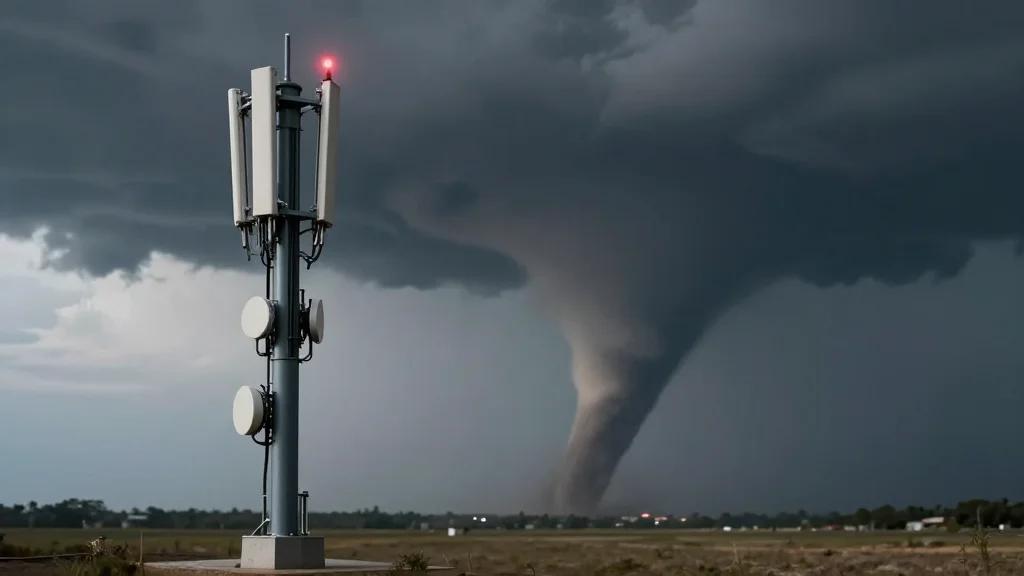
Cass County Emergency Alerts Cancel Tornado Warning During Belton EF1 Tornado

Why It Matters
The false cancellation alerts reveal a single point of failure in a system designed to protect the public during life‑threatening events. When a telecom platform miscommunicates a weather warning, the consequences can range from unnecessary panic to fatal exposure. This incident could drive policy makers to mandate redundant alert pathways, ensuring that a backup source—such as NOAA radio or cellular broadcast—can verify or override erroneous messages. Moreover, the episode highlights the growing reliance of local governments on private‑sector telecom vendors. As municipalities outsource critical communications, contract transparency, performance metrics, and rapid‑response support become essential safeguards. The $51,000 annual spend by Cass County may now be scrutinized against the cost of potential loss of life, prompting a reevaluation of procurement standards across the United States.
Key Takeaways
- •Five false tornado‑warning‑cancellation alerts were sent in 17 minutes on April 17, 2024.
- •The alerts originated from Everbridge, a private emergency‑management platform used by Cass County.
- •An EF1 tornado with 110‑mph winds caused property damage but no injuries in Belton, Kansas.
- •Cass County pays approximately $51,000 per year for Everbridge services; the vendor has not responded to comment requests.
- •National Weather Service meteorologist Jonathan Kurtz warned that residents might ignore real threats if alerts are not double‑checked.
Pulse Analysis
The Belton alert failure is a textbook example of how telecom‑enabled public‑safety systems can become liabilities when integration points break. Historically, emergency alerts have relied on a hierarchy of broadcast channels—radio, TV, and later, wireless emergency alerts (WEA). The shift toward cloud‑based platforms like Everbridge promises scalability and personalization, but it also introduces software‑dependency risks that legacy systems avoided. In this case, a mis‑routed data feed caused the platform to broadcast a cancellation that never existed, exposing a gap in real‑time verification.
From a market perspective, the incident may accelerate demand for multi‑vendor redundancy solutions. Vendors that can offer seamless failover to NWS feeds, or that embed independent verification algorithms, could capture new municipal contracts. At the same time, municipalities may tighten service‑level agreements (SLAs) to include penalties for false alerts, a practice more common in financial‑tech than in public safety. The $51,000 annual fee, modest by telecom standards, will likely be re‑examined against the potential cost of a mis‑alert, including legal liability and loss of public confidence.
Looking ahead, regulators could consider mandating periodic stress‑tests of alert systems, similar to those required for power grids. Such tests would simulate severe‑weather scenarios and verify that alerts propagate correctly across all channels. If adopted, these measures would not only protect citizens but also create a new compliance market for telecom firms specializing in emergency‑alert resilience. The Belton glitch, while isolated, may thus catalyze a broader shift toward more robust, multi‑layered public‑safety communications infrastructure.
Cass County Emergency Alerts Cancel Tornado Warning During Belton EF1 Tornado
Comments
Want to join the conversation?
Loading comments...