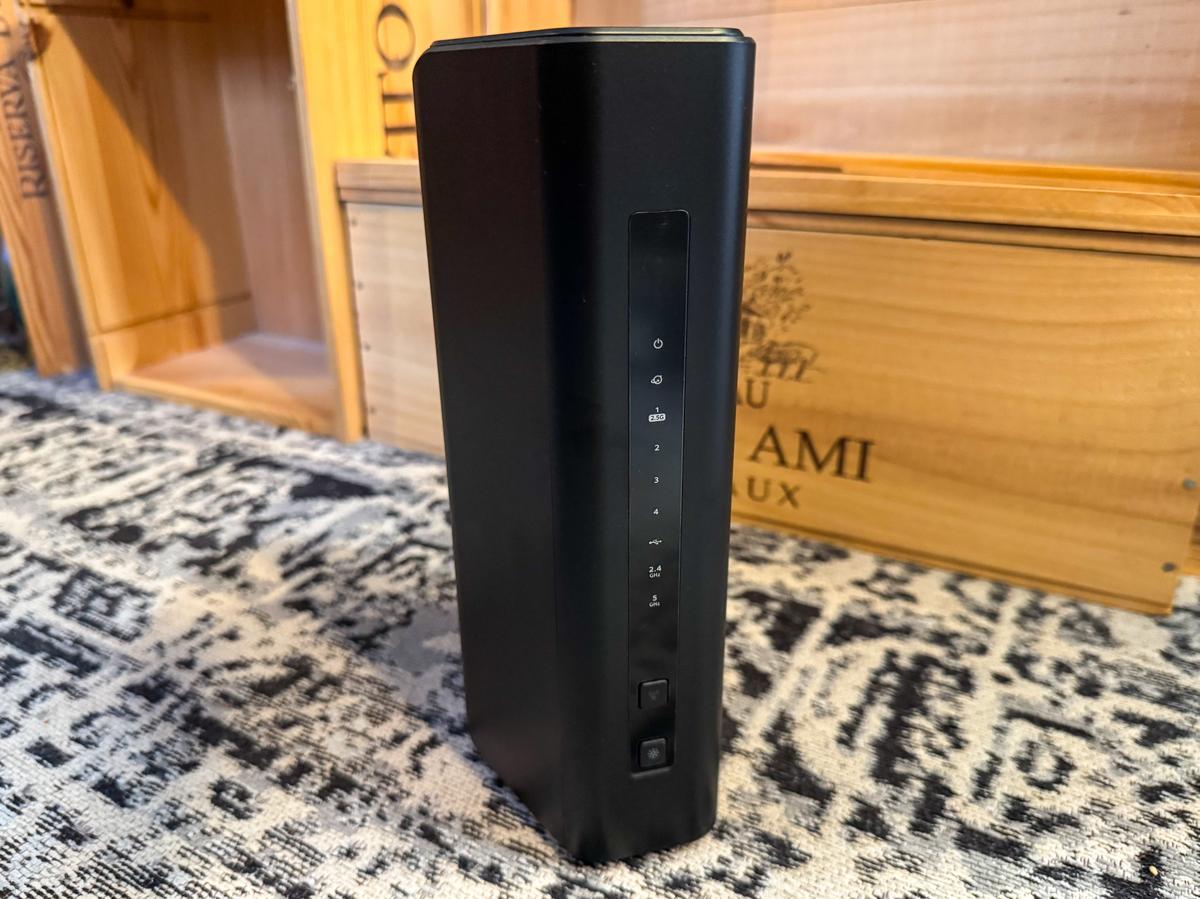
Despite the Government’s Ban, Netgear Just Got an Exemption to Keep Selling New WiFi Routers in the U.S.
Companies Mentioned
Why It Matters
The exemption preserves consumer access to next‑generation routers and prevents an immediate monopoly, while highlighting how U.S. security policy can reshape the networking hardware market.
Key Takeaways
- •FCC granted Netgear exemption through Oct 1 2027 for new foreign routers.
- •Netgear must still obtain FCC approval for each new model.
- •Ban forces other brands to use US-made components or halt new releases.
- •Potential monopoly may prompt more exemptions for rivals like TP‑Link or Asus.
- •Consumers can still buy upcoming Netgear routers despite the broader ban.
Pulse Analysis
The U.S. government’s March 23, 2026 decision to bar new foreign‑manufactured Wi‑Fi routers was driven by national‑security concerns and a push for domestic supply chains. By requiring all future routers to be FCC‑type‑approved and, effectively, U.S.-made, the policy threatens to choke out the majority of the market, as most brands source hardware from Southeast Asia. Netgear’s exemption, filed on April 13 and approved on April 14, sidesteps the restriction until late 2027, allowing the firm to continue introducing fresh models while still meeting FCC certification standards.
For Netgear, the exemption is a lifeline that keeps its product pipeline flowing to American consumers. Without it, the company would have been forced to sell only legacy units, risking brand relevance as competitors roll out Wi‑Fi 7 and upcoming Wi‑Fi 8 devices abroad. The move also creates a temporary competitive edge; while rivals like TP‑Link, Asus, and Linksys scramble to either secure similar waivers or invest in costly U.S. manufacturing, Netgear can maintain market visibility and capture demand from early adopters seeking the latest performance upgrades.
The broader industry impact is twofold. First, the ban underscores a regulatory trend that could accelerate reshoring of networking equipment, prompting manufacturers to evaluate the economics of U.S. factories versus overseas production. Second, Netgear’s case may set a precedent, encouraging other firms to petition for exemptions or to lobby for clearer pathways to compliance. As the FCC refines its policy, stakeholders will watch closely for signals that could either open the market to more foreign‑made innovations or cement a new, domestically‑centric hardware ecosystem.
Despite the Government’s Ban, Netgear Just Got an Exemption to Keep Selling New WiFi Routers in the U.S.
Comments
Want to join the conversation?
Loading comments...