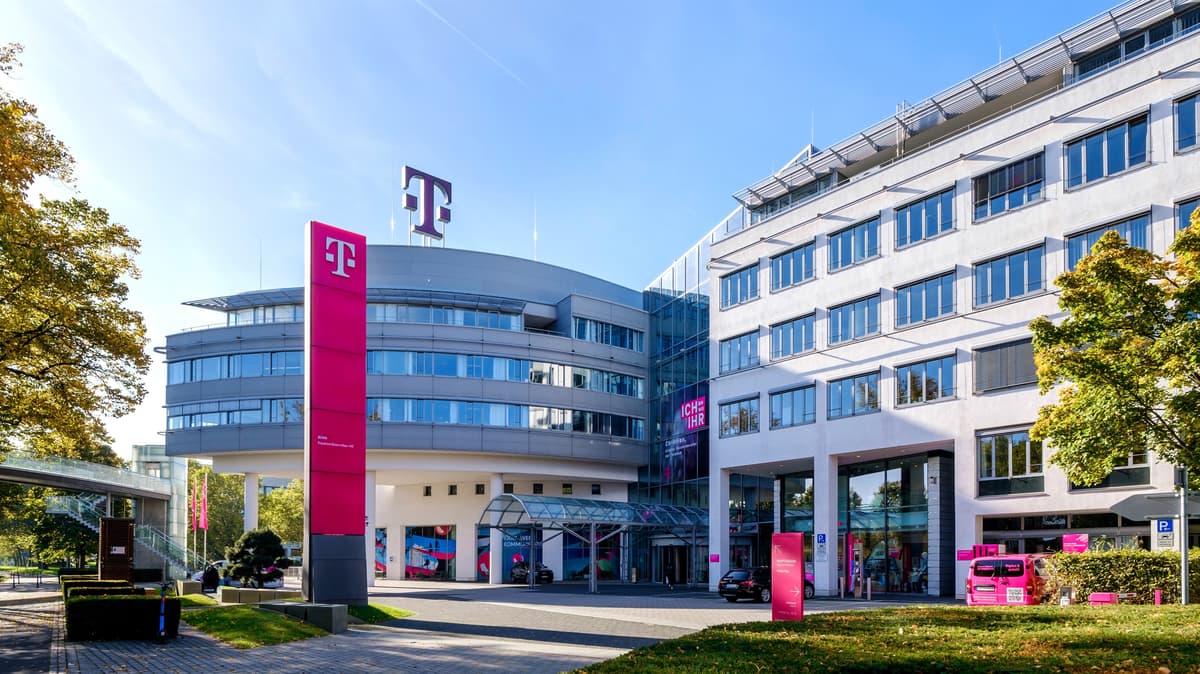
Deutsche Telekom Made Cloud Jump From Ericsson to Mavenir in 5G
Why It Matters
The shift fast‑tracks Deutsche Telekom’s network modernization, cuts operating costs and forces traditional vendors to adapt to open, multi‑vendor cloud models, reshaping Europe’s 5G landscape.
Key Takeaways
- •Deutsche Telekom adopts Mavenir for standalone 5G core, dropping Ericsson
- •HTC uses bare‑metal servers and Kubernetes‑based T‑CaaS for all core apps
- •Over 50 separate network applications consolidated onto a single platform
- •Future plans target ten‑plus partners migrating to HTC within a year
- •Deutsche Telekom’s RAN remains Huawei‑heavy, delaying full cloudification
Pulse Analysis
Deutsche Telekom’s migration from Ericsson to Mavenir reflects a broader industry pivot away from legacy, vendor‑specific hardware toward flexible, software‑defined networking. While geopolitical pressure initially forced European operators to replace Huawei, the current transition is driven by cost efficiency and operational agility. By embracing Mavenir’s cloud‑native 5G core, DT can run a unified stack that supports both 4G and standalone 5G, eliminating the patchwork of separate solutions that have long plagued telco IT estates.
At the heart of the change is the Horizontal TelCo Cloud (HTC), a platform built on bare‑metal servers topped with Deutsche Telekom’s T‑CaaS, a Kubernetes‑orchestrated containers‑as‑a‑service layer. This architecture enables rapid scaling, independent function upgrades, and a common interface for dozens of applications, reducing the roughly 50 distinct vendor packages previously in use. By contributing to the Linux Foundation’s Sylva project, DT is aligning its cloud strategy with open‑source standards, making it easier for a diverse set of partners—including Amdocs, HPE, Nokia and emerging cloud providers—to plug into the same ecosystem.
The move has significant ramifications for incumbent vendors. Ericsson, once the primary core‑network supplier, now finds its role limited to legacy 4G and non‑standalone 5G traffic, hinting at a twilight phase in the German market. Meanwhile, Deutsche Telekom’s radio‑access network remains heavily dependent on Huawei equipment, underscoring a partial cloudification that may delay full end‑to‑end virtualization. As DT pushes HTC beyond the core to future fixed‑mobile workloads, the industry will watch closely to see whether open, multi‑vendor telco clouds become the new norm across Europe.
Deutsche Telekom made cloud jump from Ericsson to Mavenir in 5G
Comments
Want to join the conversation?
Loading comments...