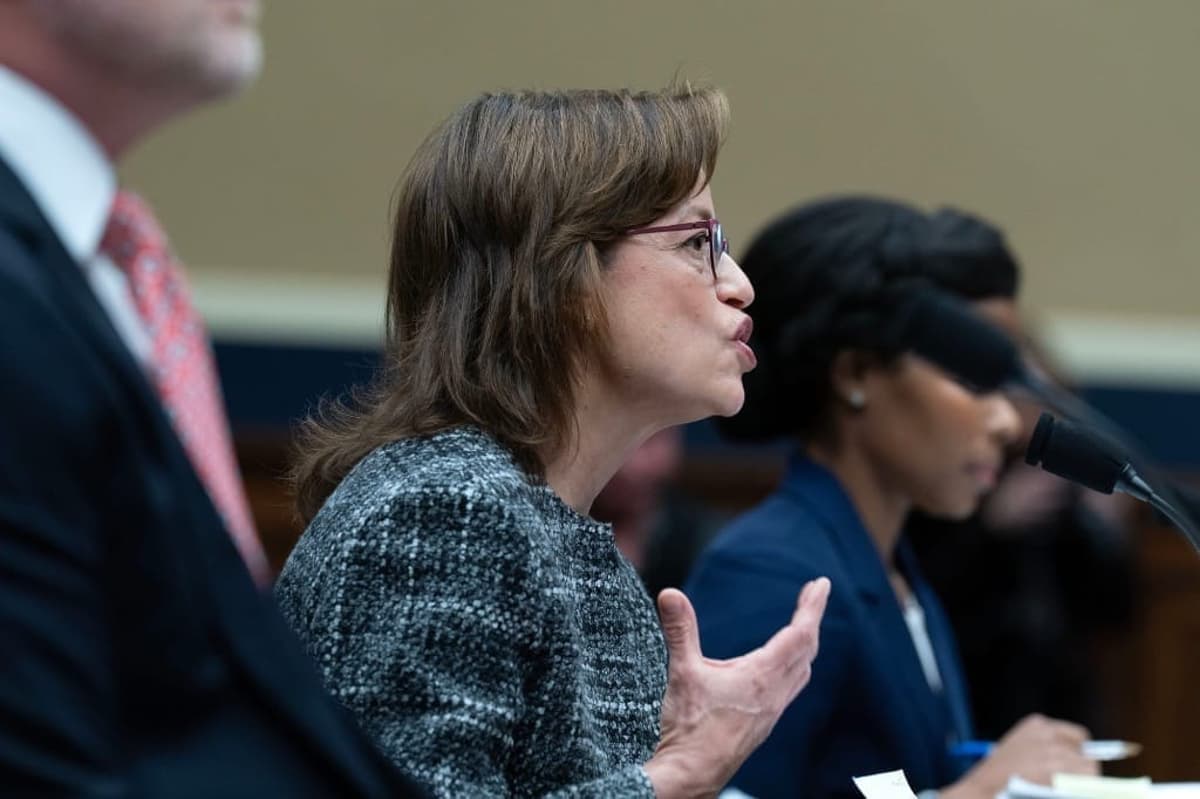
Education Groups Opposed to E-Rate Bidding Portal
Companies Mentioned
Why It Matters
The decision will reshape how schools and libraries obtain federal broadband subsidies, impacting billions in annual funding and the program’s fraud‑prevention framework.
Key Takeaways
- •FCC proposes USAC‑run E‑Rate bidding portal effective July 1 2027
- •Recipient groups say portal adds burdens and could deter participation
- •GAO notes 1.29% fraud rate; portal aims for greater transparency
- •Advocates request beta testing and delayed rollout to avoid disruption
- •Recent $55 M AT&T settlement underscores persistent E‑Rate fraud risks
Pulse Analysis
The FCC’s draft order to institute a competitive‑bidding portal for the E‑Rate program reflects a broader push for transparency in federal broadband subsidies. Currently, schools and libraries submit service descriptions to USAC, which posts them publicly and relies on self‑certifications. By moving bid evaluation under USAC’s direct oversight, the agency hopes to close gaps identified in a 2020 GAO report that highlighted the risk of undisclosed bid manipulation. Proponents argue that a centralized repository will deter fraud and streamline audit trails, especially as the Universal Service Administrative Company prepares for the 2028 funding cycle.
However, education and library coalitions warn that the new portal could impose significant administrative overhead. They point to the program’s already low improper payment rate—1.29% in 2024, well under the 1.5% fraud‑risk threshold—and contend that existing safeguards, including regular audits and dedicated anti‑fraud staff, are sufficient. The groups are pressing the FCC for a beta‑testing phase and a postponed effective date, fearing that schools with limited procurement expertise may struggle with the added complexity and that participation could decline.
The debate unfolds against a backdrop of recent high‑profile fraud cases, such as the $55 million settlement with an AT&T subsidiary over alleged overbilling. While the FCC cites six DOJ convictions since 2020 to justify tighter controls, the industry remains split on the balance between fraud prevention and operational burden. The outcome will set a precedent for how other universal service programs, like Lifeline, address similar challenges, shaping the future of federal broadband funding governance.
Education Groups Opposed to E-Rate Bidding Portal
Comments
Want to join the conversation?
Loading comments...