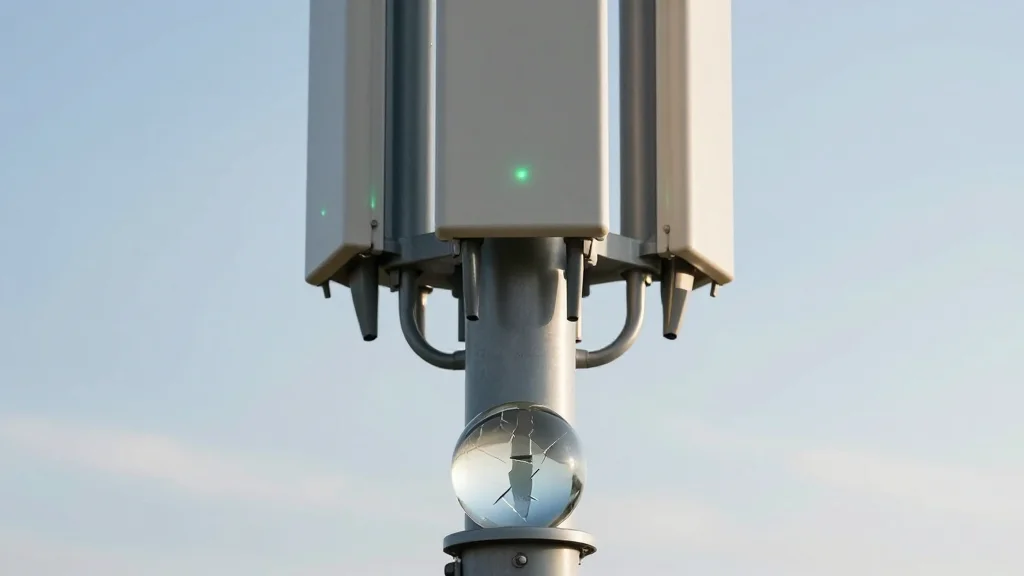
Ericsson Q1 Profit Plunges 79% as 5G Demand Wanes, Revenue Down 10%

Companies Mentioned
Why It Matters
Ericsson’s sharp profit contraction highlights the fragility of the 5G rollout momentum that many governments and operators have counted on to drive next‑generation connectivity. A slowdown in equipment orders not only dents the revenue of the world’s largest network‑gear makers but also threatens the broader ecosystem of suppliers, software developers and service providers that depend on robust capex cycles. If carriers continue to defer network upgrades, the anticipated economic benefits of 5G—higher data rates, lower latency, and new vertical applications—could be delayed, affecting sectors ranging from autonomous transport to smart manufacturing. The earnings miss also raises competitive pressure on rivals to capture market share through pricing, bundled services, or accelerated delivery of 5G‑ready hardware.
Key Takeaways
- •Q1 profit of SEK888 million ($89 million), down 79% YoY
- •Revenue fell 10.3% to SEK49.332 billion ($4.9 billion)
- •EPS dropped to SEK0.27 from SEK1.24 a year earlier
- •Order backlog shrank ~8% quarter‑over‑quarter
- •Operating margin slipped to 5.2% from 9.1% YoY
Pulse Analysis
Ericsson’s earnings dip is a bellwether for the telecom equipment market, suggesting that the 5G build‑out is entering a more mature, cost‑sensitive phase. Early‑stage optimism that carriers would pour billions into network upgrades this year has given way to a reality where budget discipline and ROI scrutiny dominate boardrooms. This shift favors vendors that can bundle hardware with managed services and software platforms, allowing operators to defer CapEx while still advancing network capabilities.
Historically, telecom spend cycles have been cyclical, with peaks following major technology introductions (e.g., 4G LTE in the early 2010s). The current slowdown mirrors the post‑LTE dip, but the stakes are higher: 5G promises revenue streams beyond traditional mobile data, such as private‑network contracts and edge‑cloud services. Ericsson’s focus on expanding its services portfolio could be a strategic hedge, but execution risk remains high, especially as rivals accelerate their own software‑first roadmaps.
Going forward, the market will likely see a consolidation of equipment orders into fewer, larger contracts, with an emphasis on cost‑efficiency and rapid deployment. Operators may also look to diversify suppliers to mitigate geopolitical risk, potentially opening doors for newer entrants. Ericsson’s ability to adapt its business model and secure long‑term service agreements will be critical to maintaining relevance in a landscape where pure hardware sales are no longer sufficient to sustain growth.
Ericsson Q1 profit plunges 79% as 5G demand wanes, revenue down 10%
Comments
Want to join the conversation?
Loading comments...