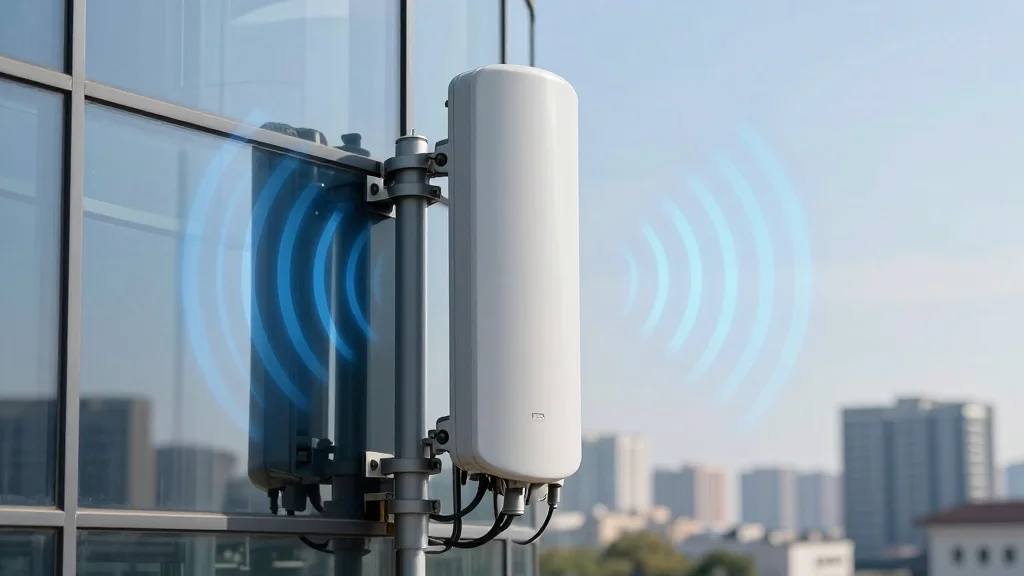
FCC Approves 10 MHz 900 MHz Spectrum Expansion and Proposes Major Telecom Reforms

Why It Matters
Opening the 900 MHz band to broadband could dramatically increase spectrum availability for private networks, especially in underserved rural areas where lower frequencies travel farther. By tightening Lifeline eligibility and usage rules, the FCC aims to protect taxpayer dollars and ensure that low‑income households receive reliable, high‑speed connectivity—a key factor in closing the digital divide. The caps on FM translator applications and the intercarrier compensation review both address longstanding inefficiencies that have hampered market competition and inflated costs for carriers and consumers alike. Collectively, these measures reflect a broader regulatory shift toward modernizing the U.S. telecom ecosystem. As carriers migrate to all‑IP architectures and private wireless networks proliferate, clear, efficient spectrum policies and fair compensation frameworks become essential for sustaining investment and innovation. The FCC’s actions set the stage for a more resilient, inclusive communications infrastructure that can support emerging technologies such as edge computing, IoT, and 5G‑plus services.
Key Takeaways
- •FCC adopts Report and Order opening the full 10 MHz of the 900 MHz band (896–901 MHz & 935–940 MHz) for broadband deployment.
- •Lifeline NPRM proposes stricter eligibility, usage tracking, de‑enrollment, and minimum data‑speed standards.
- •Public notice caps FM translator applications at ten per entity for the 2026 filing window.
- •Intercarrier compensation NPRM aims to modernize carrier payments and accelerate all‑IP network transition.
- •Comment periods range from 30 to 60 days; final rules expected later in 2026.
Pulse Analysis
The FCC’s spectrum decision is a strategic response to the growing demand for mid‑band frequencies that can support both consumer broadband and private‑network use cases. Historically, the 900 MHz band has been underutilized, primarily serving narrowband services like paging. By repurposing the entire 10 MHz for broadband, the commission not only unlocks valuable spectrum but also aligns U.S. policy with global trends where mid‑band assets are being re‑allocated for 5G and beyond. This move could attract new entrants, especially utility‑scale private network operators seeking reliable, low‑latency connectivity for smart grid and industrial IoT deployments.
The Lifeline reforms address a chronic problem: fraud and inefficiency that have siphoned billions from a program intended to bridge the digital divide. By instituting usage tracking and de‑enrollment mechanisms, the FCC is leveraging data‑driven oversight that mirrors practices in other subsidy programs. If successful, the reforms could serve as a template for future broadband assistance initiatives, ensuring that subsidies translate into actual service provision.
Finally, the intercarrier compensation NPRM reflects the inevitable shift toward all‑IP networking, where traditional voice‑centric compensation models no longer fit. Modernizing this regime could lower operational costs for carriers, potentially translating into lower consumer prices. However, the transition will require careful calibration to avoid unintended revenue shortfalls for smaller carriers that rely on legacy compensation streams. The FCC’s incremental, comment‑driven approach suggests a willingness to balance innovation with market stability, a stance that will be closely watched by industry stakeholders as the telecom sector navigates the next wave of digital transformation.
FCC Approves 10 MHz 900 MHz Spectrum Expansion and Proposes Major Telecom Reforms
Comments
Want to join the conversation?
Loading comments...