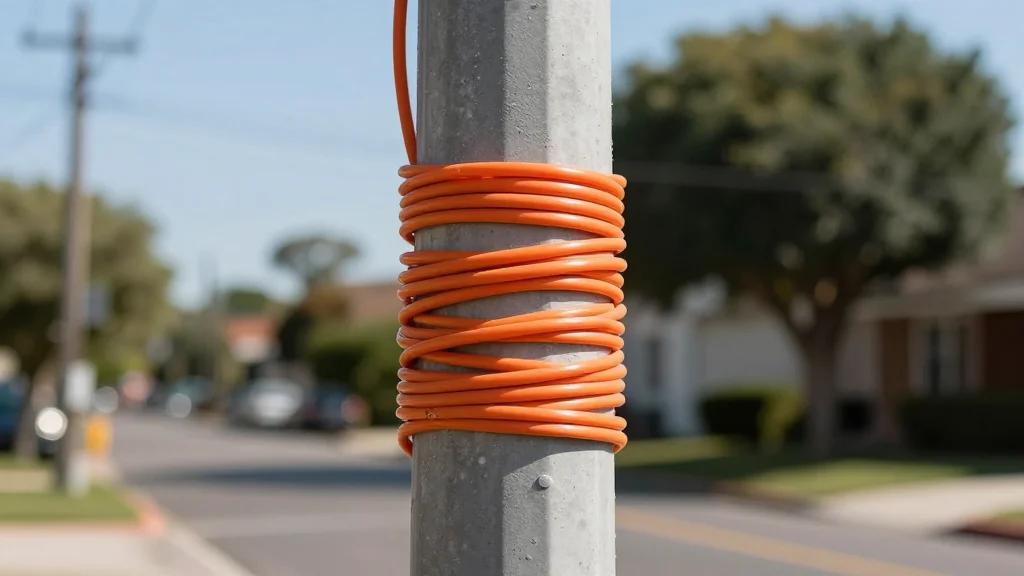
FCC Enforces New Pole‑Attachment Rules to Speed Broadband Build‑Outs

Why It Matters
The FCC’s pole‑attachment overhaul tackles a long‑standing choke point in U.S. broadband expansion: the time it takes for utilities to grant access to their infrastructure. By imposing strict response windows and allowing attachers to act when utilities lag, the agency aims to lower deployment costs, speed up network builds, and bring high‑speed internet to rural and low‑income communities that have been left behind. The rules also shift some operational risk onto broadband providers, potentially reshaping the financial calculus of new projects and influencing where future investment flows. If the accelerated timelines succeed, they could set a regulatory precedent for other infrastructure‑heavy sectors, such as 5G small‑cell deployment and electric‑vehicle charging networks, where shared assets often delay rollout. Conversely, safety concerns and contractor shortages could prompt utilities to lobby for further adjustments, making the coming months a litmus test for the balance between speed and reliability in national broadband policy.
Key Takeaways
- •FCC order takes effect May 8, 2026, imposing a 30‑day utility response deadline for contractor approvals.
- •Utilities now have 45 days for pole surveys and 90 days for make‑ready work on projects up to 6,000 poles or 10 % of state pole inventory.
- •If utilities miss the 30‑day window, the contractor is automatically approved, and attachers may self‑help with surveys and make‑ready tasks.
- •Industry groups warn of safety and workforce challenges, while broadband providers anticipate $10 billion in new investment.
- •Compliance reporting is scheduled for September 2026 to assess utility response rates and rule effectiveness.
Pulse Analysis
The FCC’s decisive move to tighten pole‑attachment timelines reflects a broader regulatory shift toward unlocking infrastructure bottlenecks that have hampered broadband diffusion for years. Historically, utilities have wielded considerable leverage over network rollouts, often using procedural delays as a de‑facto pricing mechanism. By codifying a 30‑day approval rule and granting attachers self‑help rights, the commission is effectively rebalancing that power dynamic in favor of service providers and, ultimately, consumers.
From a market perspective, the rule change could catalyze a wave of mid‑size and regional broadband operators entering markets previously dominated by incumbents. The reduced uncertainty around pole access lowers the risk premium attached to new builds, making financing more attractive and potentially spurring a surge in private capital. However, the utility sector’s labor shortage remains a wild card; if safety incidents rise, regulators may be forced to temper the aggressive timelines, which could erode the anticipated investment gains.
Looking ahead, the FCC’s September compliance report will serve as a critical barometer. Strong utility compliance would validate the agency’s approach and could inspire similar fast‑track policies for other shared‑asset deployments, such as 5G small cells and EV charging stations. Conversely, widespread non‑compliance or safety setbacks could prompt a policy retreat, underscoring the delicate balance between speed, safety, and stakeholder interests in America’s broadband future.
FCC Enforces New Pole‑Attachment Rules to Speed Broadband Build‑Outs
Comments
Want to join the conversation?
Loading comments...