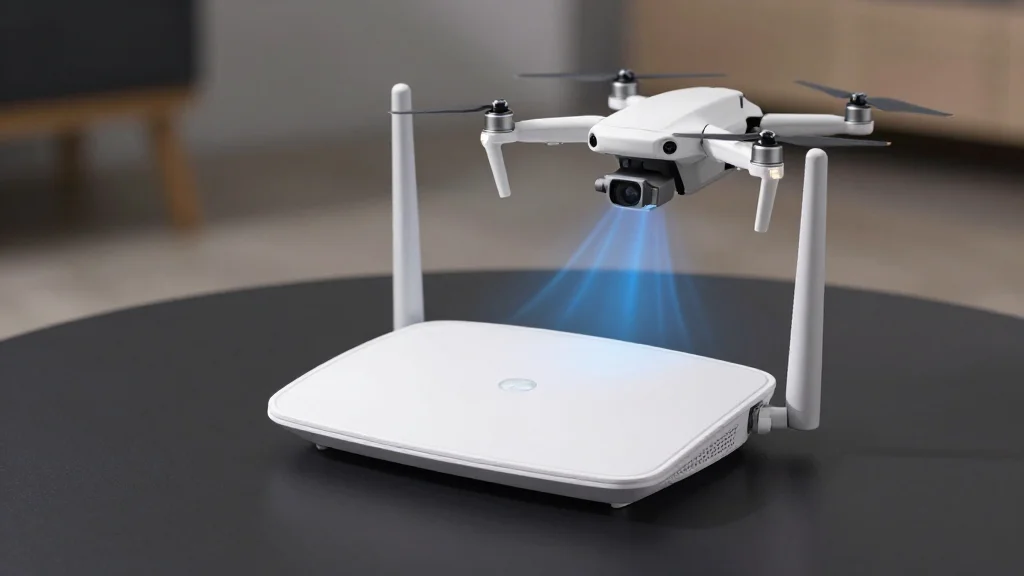
FCC Extends Software Update Waivers for Foreign Drones and Routers to 2029

Companies Mentioned
Why It Matters
The FCC’s extension of software update waivers directly impacts the security posture of the U.S. telecom and IoT ecosystems. By allowing continued patches for foreign‑made drones and routers, the agency mitigates the risk of large‑scale vulnerabilities that could be exploited by malicious actors, protecting both consumer privacy and critical infrastructure. Moreover, the move stabilizes supply‑chain dynamics for manufacturers who have already secured FCC approval, preventing costly product obsolescence and preserving market competition. In the broader policy context, the decision illustrates the tension between national security objectives and the practical need to keep legacy devices functional. It sets a precedent for how regulators may handle future technology bans, especially as emerging devices—such as 5G small cells and AI‑enabled edge hardware—become integral to telecom networks. The waiver’s expiration in 2029 will force a reassessment of how the United States balances security with the realities of a globally sourced hardware market.
Key Takeaways
- •FCC extends waivers for software/firmware updates on foreign‑made drones and routers to Jan. 1, 2029
- •Waiver applies to devices authorized before inclusion on the FCC’s Covered List
- •Updates now cover Class II permissive changes aimed at mitigating consumer harm
- •Policy reversal aims to prevent millions of devices from becoming vulnerable to cyber threats
- •Extension provides stability for manufacturers like DJI and consumer‑router makers while preserving telecom security
Pulse Analysis
The FCC’s 2029 waiver is a pragmatic concession that acknowledges the interconnected nature of modern telecom infrastructure. Historically, the agency’s Covered List was designed to block foreign hardware perceived as a security risk, but the blanket ban ignored the reality that many of these devices are already embedded in critical networks. By allowing updates, the FCC reduces the attack surface without compromising its broader security mandate.
From a market perspective, the decision cushions the financial impact on foreign OEMs that have already invested in U.S. certification. Companies such as DJI, which dominate the commercial drone sector, can continue servicing their U.S. customer base, preserving revenue streams and avoiding a sudden market vacuum that could be filled by domestic players with less mature technology. For telecom operators, the waiver translates into lower operational risk and fewer emergency replacements, which can be costly and disruptive.
Looking forward, the 2029 deadline creates a clear timeline for both regulators and manufacturers to plan for a post‑waiver environment. Stakeholders will likely lobby for either a further extension or a structured transition plan that includes mandatory security standards for new devices. The FCC’s willingness to adjust its stance suggests future policy may become more nuanced, focusing on targeted security requirements rather than outright bans. This evolution could shape the next wave of telecom equipment procurement, emphasizing firmware resilience and supply‑chain transparency as core criteria.
FCC Extends Software Update Waivers for Foreign Drones and Routers to 2029
Comments
Want to join the conversation?
Loading comments...