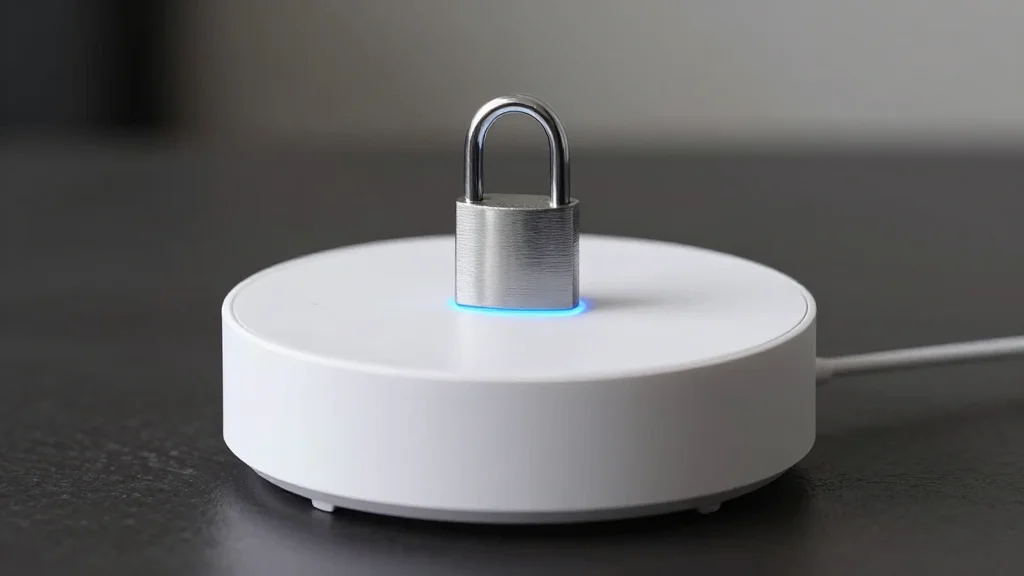
FCC Names ioXt Alliance Lead Administrator for Cyber Trust Mark Program

Companies Mentioned
Why It Matters
The FCC’s appointment of the ioXt Alliance marks a decisive step toward standardizing IoT security across the United States. By creating a recognizable label, the program aims to empower consumers, reduce the prevalence of vulnerable devices, and mitigate the risk of large‑scale cyber incidents that could cascade through telecom networks. For carriers, a vetted pool of secure devices simplifies network management and aligns with ongoing efforts to harden infrastructure against state‑sponsored threats. Moreover, the decision reflects growing regulatory scrutiny of supply‑chain risks tied to foreign entities, reinforcing a broader U.S. strategy to protect critical communications infrastructure. As IoT devices become integral to everything from smart homes to industrial control systems, the Cyber Trust Mark could set a benchmark that shapes product development, procurement policies, and international trade standards for years to come.
Key Takeaways
- •FCC selects ioXt Alliance as lead administrator of the U.S. Cyber Trust Mark program.
- •Previous administrator UL Solutions withdrew after a probe into its Chinese joint venture.
- •The program will allow devices meeting security standards to display a consumer‑facing label.
- •ioXt Alliance will act as liaison between FCC and ten lower‑level administrators, without federal compensation.
- •The move aims to boost consumer confidence, reduce insecure IoT devices, and support telecom network security.
Pulse Analysis
The FCC’s pivot to the ioXt Alliance signals a pragmatic shift from a purely governmental oversight model to a public‑private partnership that leverages existing industry expertise. By entrusting a standards‑focused nonprofit with the lead role, the commission sidesteps the political fallout of direct government administration while still retaining regulatory authority. This hybrid approach mirrors successful models in other sectors, such as the Energy Star program, where credibility stems from both government endorsement and industry participation.
Historically, IoT security has suffered from fragmented standards and a lack of consumer awareness. The Cyber Trust Mark could change that narrative by creating a market incentive: devices that earn the badge may enjoy preferential treatment from carriers, retailers, and enterprise buyers. In a market projected to reach $1.5 trillion in IoT spend by 2027, even a modest premium for certified devices could drive substantial investment in security features.
Looking ahead, the real test will be the program’s enforcement mechanisms and the rigor of its certification process. If the criteria are perceived as too lax, the label could become a token gesture; if too stringent, it may deter participation, especially among low‑margin manufacturers. The FCC’s decision to prohibit compensation for the lead administrator suggests a desire to keep the program cost‑neutral, but it also raises questions about long‑term sustainability. Future funding models—perhaps through industry fees or public‑private grants—will be critical to scaling the initiative and ensuring it keeps pace with the rapid evolution of IoT threats.
FCC Names ioXt Alliance Lead Administrator for Cyber Trust Mark Program
Comments
Want to join the conversation?
Loading comments...