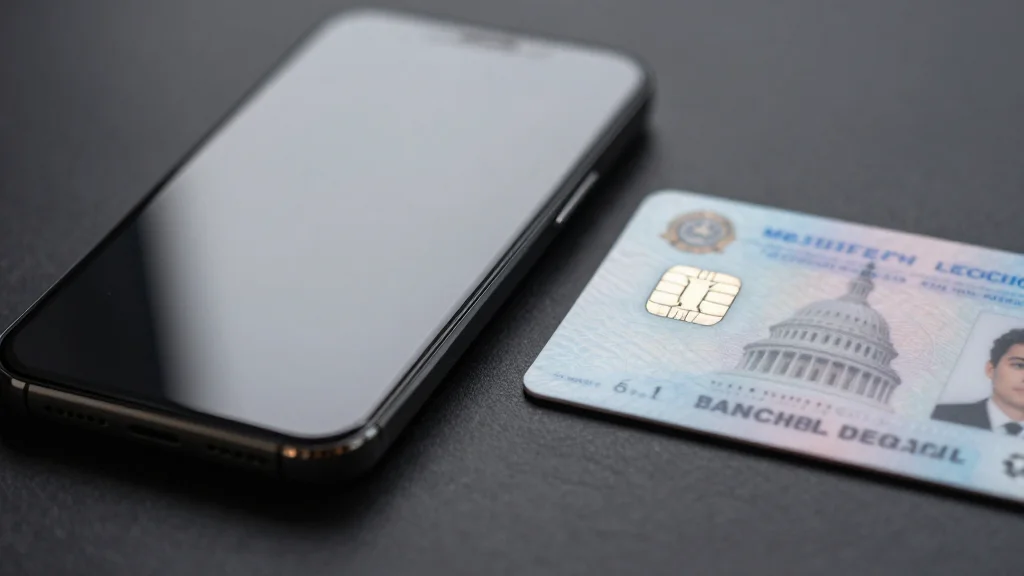
FCC Proposes Mandatory ID Checks for Phone Service to Fight Robocalls

Why It Matters
The FCC’s proposal sits at the intersection of two pressing public policy challenges: protecting consumers from a flood of fraudulent robocalls and preserving the right to anonymous communication. By shifting identity verification to the point of service activation, regulators aim to cut off scammers before they can exploit the network, which could dramatically reduce the 2.14 billion monthly robocalls that erode trust in the telephone system. At the same time, the rule threatens to marginalize groups that depend on semi‑anonymous phone access, from victims of domestic violence to journalists protecting sources. The outcome will set a precedent for how much personal data the government can require from private telecoms in the name of security. If the rule passes, telecom operators will need to invest heavily in identity‑verification infrastructure, potentially raising costs for consumers and reshaping market competition. Conversely, a scaled‑back version could preserve anonymity while still giving carriers tools to flag high‑risk accounts. The policy decision will reverberate beyond the United States, influencing global discussions on the balance between anti‑fraud measures and privacy rights in the digital age.
Key Takeaways
- •FCC proposes mandatory collection of full legal name, address and government ID for all new phone service activations.
- •Penalties of $2,500 per violation aim to compel carriers to enforce strict verification.
- •Regulators cite 2.14 billion robocalls per month in 2024 as justification for the rule.
- •Privacy groups warn the rule could eliminate semi‑anonymous phone access for vulnerable users.
- •Public comment period runs for 60 days; final rule expected later in 2026.
Pulse Analysis
The FCC’s draft rule reflects a broader shift toward data‑driven gatekeeping in telecommunications, echoing similar moves in financial services where "Know Your Customer" mandates have become standard. By treating phone service as a high‑risk entry point, regulators are effectively reclassifying voice communication as a vector for fraud comparable to banking. This reclassification could accelerate the adoption of biometric and AI‑based verification tools, giving carriers a competitive edge if they can deploy them efficiently. However, the cost of such systems—estimated in the low hundreds of millions for the largest carriers—may pressure smaller providers, potentially accelerating market consolidation.
Historically, attempts to curb robocalls have focused on technical solutions like STIR/SHAKEN authentication, which authenticates the origin of a call but does not prevent the creation of fraudulent accounts. The FCC’s current approach tackles the problem upstream, targeting the identity of the subscriber rather than the call itself. If successful, it could reduce the volume of illegal calls more effectively than previous technical fixes. Yet the policy risks alienating a segment of the market that values privacy and anonymity, a demographic that has traditionally been underserved by mainstream carriers.
Looking ahead, the rule’s fate will hinge on the balance of public comment. Should privacy advocates mount a coordinated campaign highlighting the disproportionate impact on vulnerable groups, the FCC may be forced to soften the requirements, perhaps by allowing alternative verification methods for at‑risk populations. Conversely, if consumer frustration with robocalls continues to dominate the narrative, the commission could double down, setting a new regulatory baseline that other countries might emulate. Either way, the proposal signals that telecom policy is moving from reactive technical fixes to proactive identity management, reshaping the industry's relationship with both regulators and consumers.
FCC Proposes Mandatory ID Checks for Phone Service to Fight Robocalls
Comments
Want to join the conversation?
Loading comments...