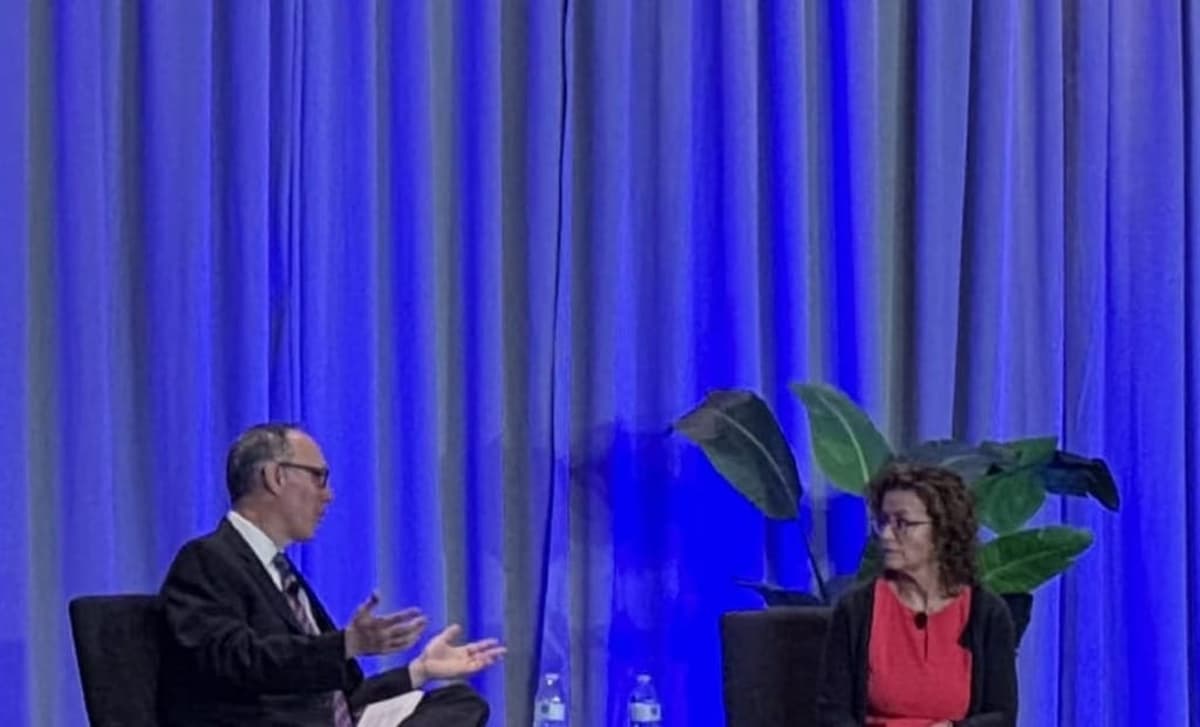
FCC Split on Lifeline Eligibility Reforms, Gomez Says
Why It Matters
The outcome will determine whether millions of low‑income Americans gain affordable broadband access or face stricter eligibility that could limit the program’s reach, impacting digital inclusion and the telecom market.
Key Takeaways
- •Lifeline subsidy remains $9.25/month, below modern broadband costs.
- •FCC proposes stricter ID verification, including full Social Security numbers.
- •Democratic commissioner Anna Gomez pushes for higher benefits, not program cuts.
- •Chairman Brendan Carr warns of fraud, favors tighter eligibility rules.
- •Public comment deadline set for May 4, shaping future Lifeline reforms.
Pulse Analysis
The Lifeline program, created in 1985, was designed to keep telephone service affordable for low‑income Americans. Over the decades it expanded to include broadband, yet the current $9.25 monthly credit barely covers basic data plans, leaving many households unable to meet essential online needs. As broadband becomes a prerequisite for work, education, and health services, the subsidy’s purchasing power has eroded, prompting policymakers to reassess its adequacy in a rapidly digitizing economy.
Within the FCC, a partisan split has emerged. Commissioner Anna Gomez, the sole Democrat, argues that the program should be bolstered rather than trimmed, emphasizing that higher subsidies are essential for universal connectivity. Conversely, Chairman Brendan Carr and other Republican members cite persistent fraud and misuse, advocating for stricter eligibility checks such as full Social Security number verification and cross‑referencing federal databases. The agency’s proposed rule changes, slated for public comment by May 4, aim to tighten oversight but risk excluding eligible consumers if the verification burden proves too high.
The stakes extend beyond the regulator. Telecom providers rely on Lifeline subsidies to serve low‑margin markets, while consumer advocacy groups warn that reduced benefits could widen the digital divide. Congressional involvement may become necessary if the FCC’s internal deadlock stalls reform. Stakeholders should monitor the comment period closely, as the final rules will shape the balance between fraud prevention and affordable broadband access for America’s most vulnerable households.
FCC Split on Lifeline Eligibility Reforms, Gomez Says
Comments
Want to join the conversation?
Loading comments...