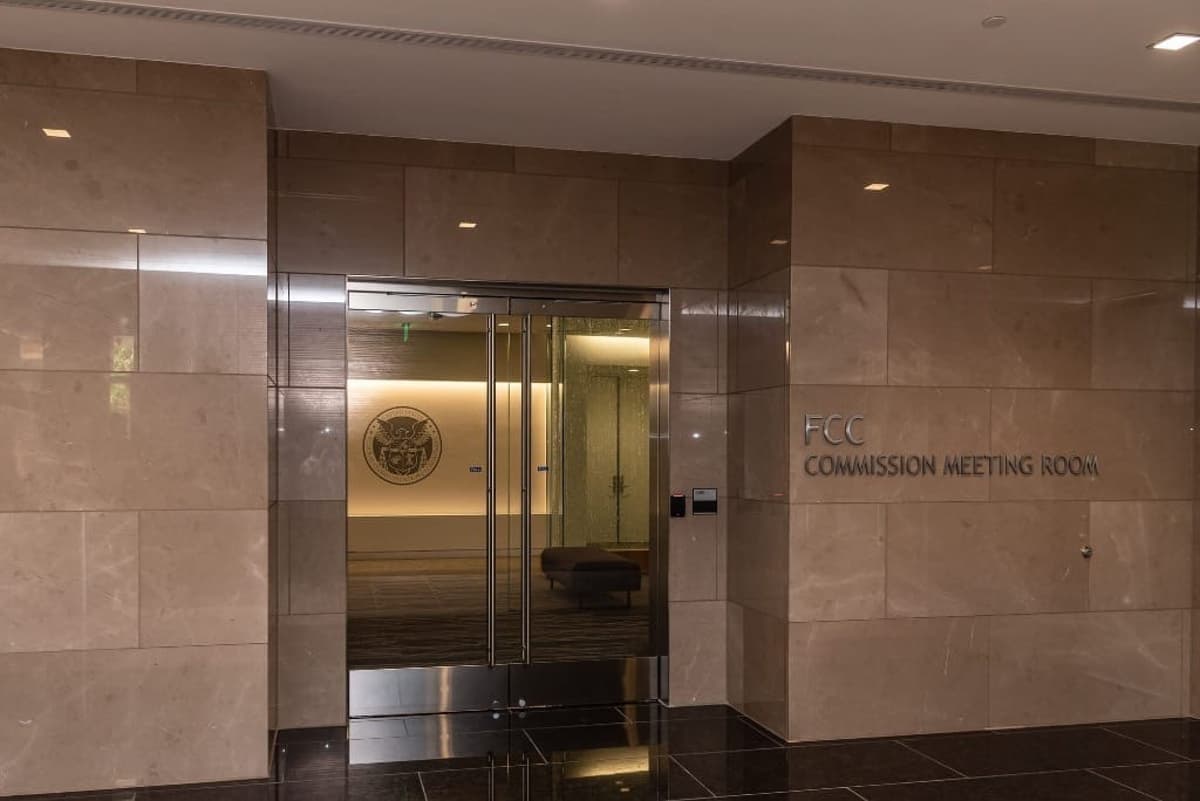
FCC to Vote on ‘Top-to-Bottom’ E-Rate Review, Local Permitting Shot Clocks at June Meeting
Why It Matters
The actions could reshape funding eligibility for K‑12 connectivity and accelerate broadband infrastructure rollout, directly affecting school budgets and telecom investment timelines.
Key Takeaways
- •FCC proposes E‑Rate rulemaking focused on CIPA content‑blocking standards
- •New centralized portal aims to reduce E‑Rate fraud but faces industry pushback
- •120‑day shot clock would pressure local agencies on wireline permits
- •FCC also seeks to streamline subsea cable licensing for trusted providers
- •Review could reshape how schools monitor screen time and parental controls
Pulse Analysis
The E‑Rate program, established in 1996, has long been the backbone of U.S. school and library broadband. By revisiting the Children’s Internet Protection Act, the FCC signals a shift toward stricter content‑filtering and heightened accountability for screen‑time management. Policymakers argue that clearer standards will protect students from harmful material, while critics fear additional compliance costs could divert funds from core educational technology upgrades. This debate reflects broader concerns about digital well‑being and the role of federal subsidies in shaping curriculum‑aligned internet use.
Parallel to the E‑Rate overhaul, the commission’s 120‑day shot‑clock proposal targets a chronic bottleneck in wireline telecom deployment. Local permitting agencies often delay projects for months, inflating costs for providers and slowing broadband expansion in underserved areas. By imposing a definitive timeline and capping fees, the FCC aims to give carriers greater certainty and encourage long‑term investment. However, municipal groups warn that rushed approvals may compromise safety reviews and community input, underscoring the tension between rapid infrastructure rollout and local oversight.
Beyond schools and wireline builds, the FCC’s agenda includes a streamlined licensing regime for subsea cable terminals and enhanced cybersecurity for emergency alert systems. Exempting "trusted providers" from exhaustive licensing could accelerate critical international bandwidth routes, yet industry stakeholders caution against creating new regulatory silos. Collectively, these initiatives illustrate the commission’s broader strategy: modernize legacy programs, reduce red tape, and align federal resources with evolving digital demands. For telecom operators, educators, and policymakers, the outcomes will shape the pace and quality of America’s next wave of broadband connectivity.
FCC to Vote on ‘Top-to-Bottom’ E-Rate Review, Local Permitting Shot Clocks at June Meeting
Comments
Want to join the conversation?
Loading comments...