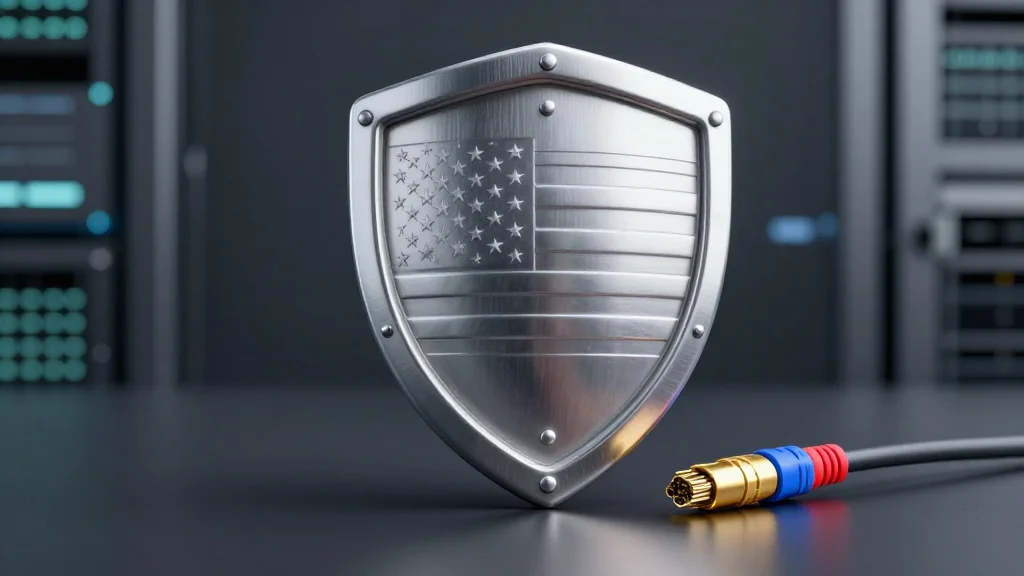
FCC Unanimously Votes to Bar Chinese Labs and Data Centers, Tightening U.S. Telecom Security

Companies Mentioned
Why It Matters
The FCC’s decisions deepen the United States’ strategic decoupling from Chinese telecom infrastructure, a trend that has accelerated since 2020. By eliminating Chinese testing labs, the agency reduces the exposure of U.S. devices to potential supply‑chain vulnerabilities, reinforcing the integrity of critical communications and consumer electronics. The data‑center restrictions further limit Chinese state‑linked carriers from accessing U.S. network backbones, curbing avenues for espionage and data exfiltration. For the broader telecom sector, the moves create both risk and opportunity. Companies that can quickly pivot testing to domestic facilities may gain a competitive edge, while those heavily dependent on Chinese partners could face supply delays and higher compliance costs. The policy also pressures global equipment vendors to diversify their manufacturing footprints, potentially reshaping the geography of the telecom supply chain for years to come.
Key Takeaways
- •FCC voted unanimously to bar all Chinese labs from testing U.S. electronic devices.
- •Separate 3‑0 vote to prohibit China Mobile, China Telecom and China Unicom from operating U.S. data centers.
- •Approximately 75% of U.S. electronics are currently tested in China, prompting a shift to domestic or low‑risk foreign labs.
- •FCC Chair Brendan Carr warned the commission is considering actions "to secure our networks from these bad actors."
- •The agency may also bar interconnection with firms using Huawei, ZTE or other Covered List equipment.
Pulse Analysis
The FCC’s latest crackdown marks a decisive escalation in the U.S. effort to insulate its telecom ecosystem from perceived Chinese threats. Historically, American policy has relied on export controls and vendor bans; this new lab and data‑center focus attacks the supply chain at earlier stages, where hardware vulnerabilities can be introduced before devices ever reach consumers. By targeting testing facilities—a relatively low‑visibility but high‑impact node—the FCC forces manufacturers to re‑engineer quality‑assurance processes, likely inflating R&D budgets and extending time‑to‑market.
From a market perspective, the rules could accelerate the rise of domestic testing firms and allied‑nation labs in Taiwan, South Korea and Japan, creating a new niche for specialized services. U.S. carriers may also double down on building sovereign data‑center capacity to avoid reliance on foreign interconnection points, a trend that aligns with broader cloud‑infrastructure investments. However, the abrupt shift could strain smaller device makers that lack the scale to absorb higher testing costs, potentially consolidating the market around larger players with deeper cash reserves.
Looking ahead, the FCC’s public‑comment window will be a battleground for industry lobbying. Companies may seek carve‑outs for legacy equipment or phased compliance schedules, while consumer advocacy groups could push for faster implementation to protect privacy. The outcome will set a precedent for how aggressively the U.S. will police the telecom supply chain, influencing not only domestic policy but also the strategic calculations of allies confronting similar security dilemmas.
FCC Unanimously Votes to Bar Chinese Labs and Data Centers, Tightening U.S. Telecom Security
Comments
Want to join the conversation?
Loading comments...