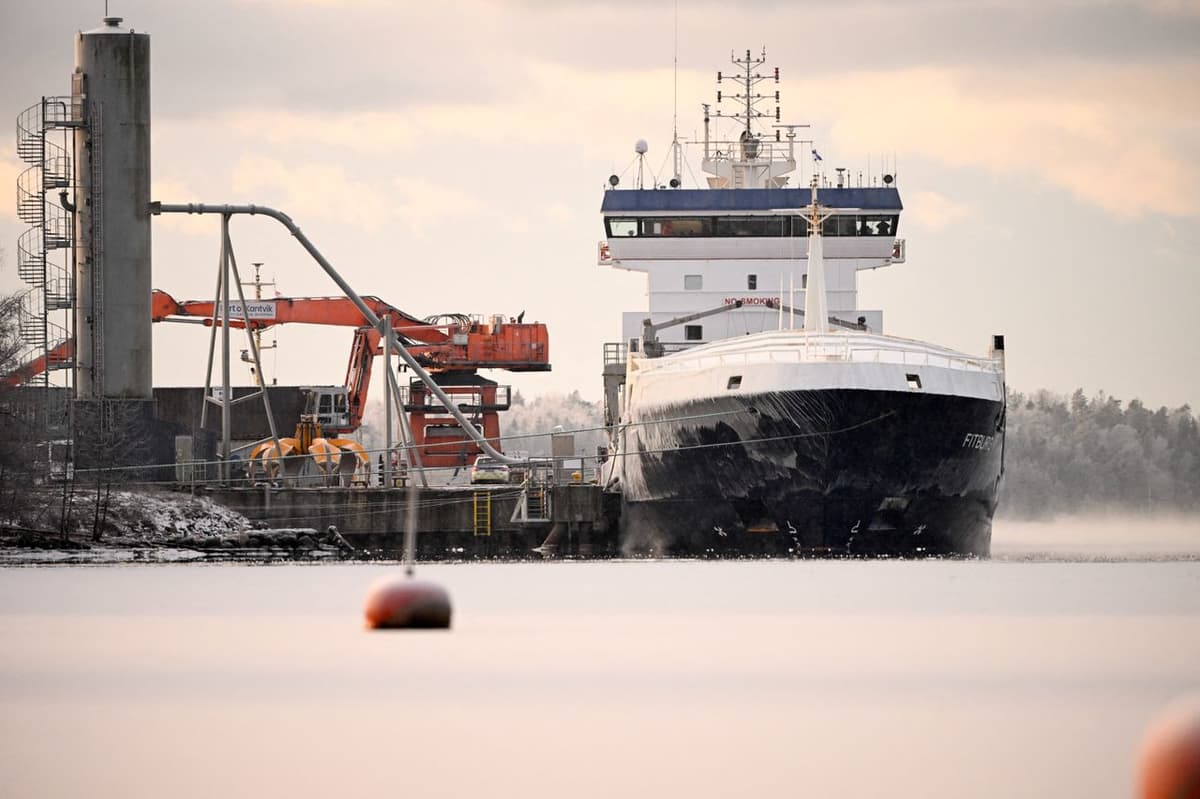
Four Suspects Identified in Finland Undersea Cable Damage Investigation — Criminal Case Referred to Prosecutors for Consideration of Charges
Companies Mentioned
Why It Matters
The case highlights the vulnerability of critical subsea infrastructure to simple anchor drags, prompting tighter maritime surveillance and regulatory scrutiny across the Baltic region. It underscores the economic stakes of cable disruptions for European digital connectivity.
Key Takeaways
- •Fitburg’s anchor dragged across seabed, severing Elisa and Arelion cables.
- •Four multinational crew members identified; case referred to Finnish prosecutors.
- •Incident prompted Finland’s new Baltic maritime surveillance centre and NATO patrols.
- •Prior Eagle S sabotage cost ~ $70 million in repairs.
- •Anchor drags expose limits of current maritime monitoring despite UAV assets.
Pulse Analysis
Undersea telecommunications cables form the backbone of Europe’s digital economy, carrying billions of dollars of data daily. When the 132‑metre cargo ship Fitburg anchored in the Gulf of Finland, its chain sliced two critical lines owned by Elisa and Arelion, forcing reroutes but leaving service largely intact thanks to the region’s dense network redundancy. The incident, captured by Finnish investigators, adds to a growing tally of maritime mishaps that threaten physical connectivity, a concern amplified by the geopolitical tension surrounding Russia’s shadow fleet.
Finland’s response has been swift and multifaceted. By establishing a dedicated Baltic maritime surveillance centre and leveraging NATO’s Baltic Sentry operation—complete with frigates, patrol aircraft, and over 20 uncrewed surface vessels—the country aims to detect suspicious vessel behavior before it translates into infrastructure damage. Yet the Fitburg case reveals a blind spot: anchor drags require only a ship to lower its chain over a known cable corridor, a maneuver that current radar and AIS systems struggle to flag in real time. This operational gap is prompting discussions about integrating seabed mapping data with autonomous monitoring platforms to provide earlier warnings.
For the broader telecom industry, the episode reinforces the importance of route diversity and rapid repair protocols. While the immediate impact on end‑users was muted, the financial and reputational costs of such incidents can be substantial, as seen with the $70 million repair bill from the Eagle S sabotage last year. Regulators are likely to tighten reporting requirements for vessels operating near critical infrastructure, and operators may invest more heavily in physical protection measures, such as deeper burial of cables and reinforced armoring, to mitigate future anchor‑related risks.
Four suspects identified in Finland undersea cable damage investigation — criminal case referred to prosecutors for consideration of charges
Comments
Want to join the conversation?
Loading comments...