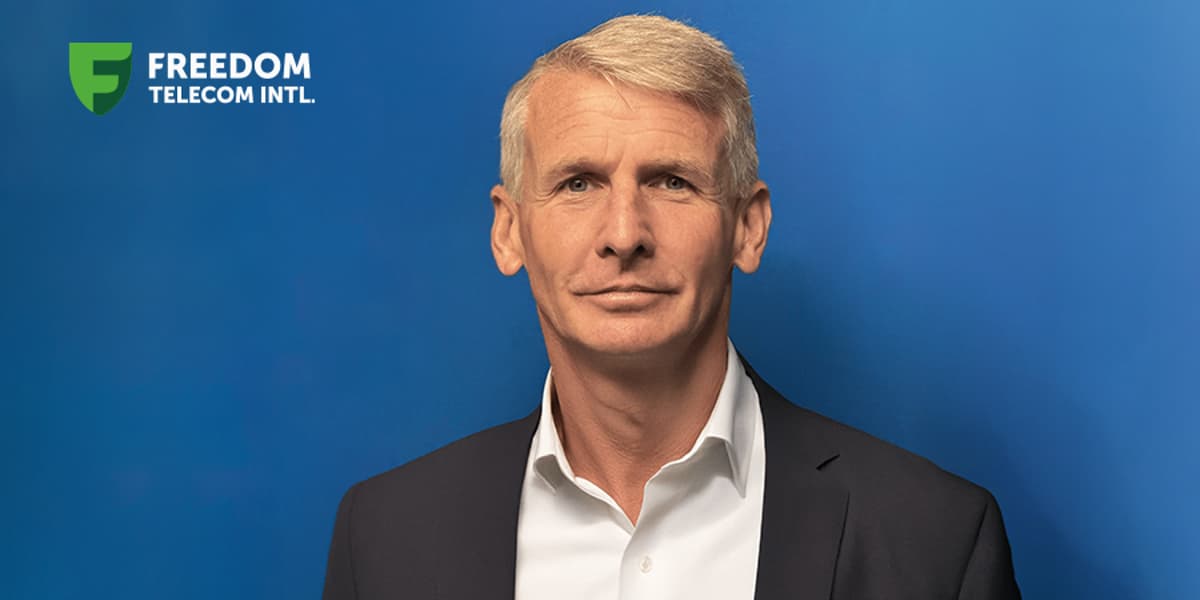
FTI CEO Johannes Hummer on Rewriting the Telecom Playbook Through Fintech Integration
•March 1, 2026
0
Why It Matters
The convergence gives telcos a new, high‑margin revenue stream and accelerates financial inclusion in underserved regions, reshaping the digital economy landscape.
Key Takeaways
- •Telcos leverage millions of customers for low‑cost fintech rollout
- •SIM‑based identity enables responsible alternative credit scoring
- •Existing billing rails simplify digital wallet and payment integration
- •Strategic fintech partners reduce risk and accelerate market entry
- •Regulatory compliance and AML frameworks protect brand reputation
Pulse Analysis
The telecom‑fintech convergence is no longer a speculative trend; it is a structural shift powered by telcos’ unrivaled scale and data assets. Operators can instantly reach millions of users through prepaid and postpaid plans, turning everyday connectivity into a conduit for payments, wallets, and micro‑lending. This embedded approach slashes customer acquisition costs and creates a seamless user experience that banks and pure‑play fintechs struggle to match. As regulators tighten KYC and AML standards, telecoms’ existing identity frameworks become a competitive moat, enabling responsible credit extensions for the underbanked.
In emerging markets, where mobile penetration outpaces traditional banking, the telecom platform serves as a catalyst for financial inclusion. By integrating digital wallets and bill‑payment services into existing billing systems, operators lower barriers to entry for low‑income users. Transaction histories generated on these platforms feed into alternative credit models, unlocking savings, insurance, and small‑ticket loans. FTI’s pilots across 22 countries demonstrate how a disciplined rollout—starting with payments, then layering credit and insurance—can generate new revenue while deepening customer loyalty and ecosystem stickiness.
Execution risk remains the primary hurdle. Hummer stresses that trust, robust governance, and strategic partnerships are non‑negotiable. Collaborating with licensed fintechs mitigates technology and compliance gaps, allowing telcos to focus on their core network strengths. A phased, compliance‑first strategy not only safeguards brand reputation but also positions operators to capture a sizable share of the cash‑free future, diversifying earnings beyond traditional voice and data services.
FTI CEO Johannes Hummer on Rewriting the Telecom Playbook through Fintech Integration
0
Comments
Want to join the conversation?
Loading comments...