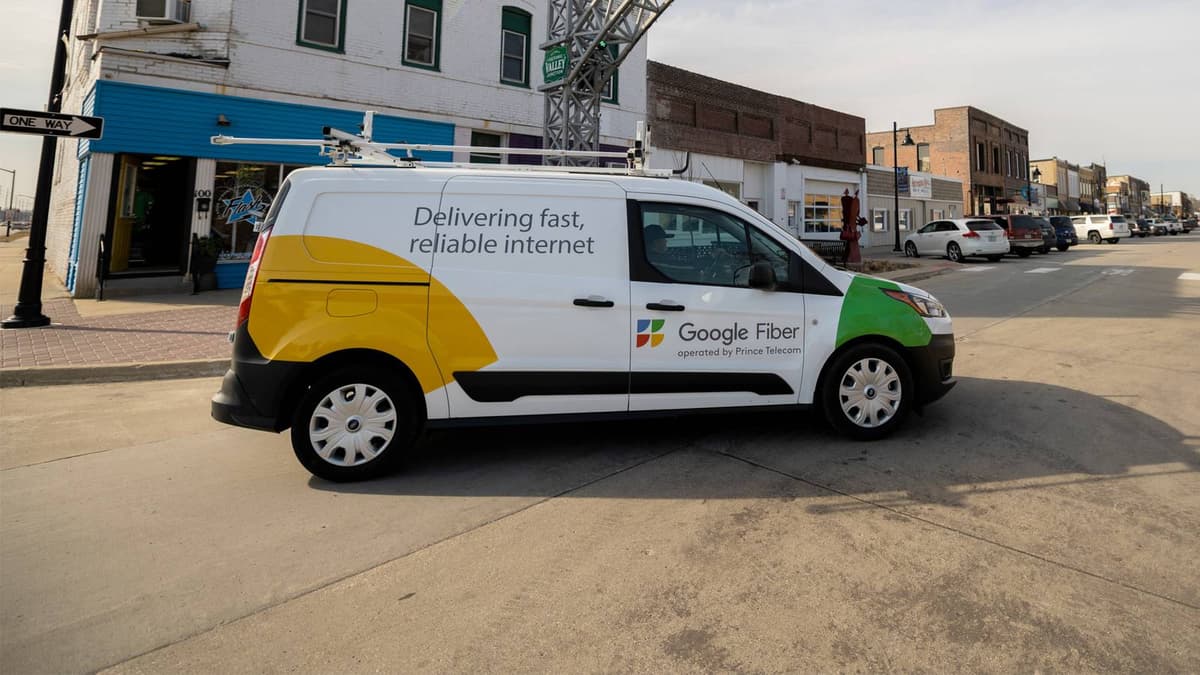
Google Fiber Just Went Live in This US City with 8 Gig Speeds
•March 11, 2026
0
Why It Matters
The ultra‑fast 8 Gbps tier raises the benchmark for residential broadband, pressuring incumbents and enabling new cloud‑heavy applications. Its presence in a major tourism hub could spur economic diversification and remote‑work adoption.
Key Takeaways
- •Google Fiber launches 8 Gbps service in Las Vegas.
- •Plans range from 1 Gbps to 8 Gbps.
- •No data caps or annual contracts.
- •Rollout limited to city, excludes Paradise, Winchester.
- •Expansion may reach additional Clark County neighborhoods.
Pulse Analysis
Delivering 8‑gigabit fiber to residential customers positions Google Fiber at the top end of the U.S. broadband spectrum. While most providers cap speeds at 1‑2 Gbps, the symmetric 8 Gbps offering enables seamless 4K‑plus streaming, real‑time VR collaboration, and rapid large‑file transfers for both households and small businesses. In a market where remote work and cloud‑based services have become baseline expectations, such capacity can differentiate a city’s digital infrastructure and attract tech‑savvy residents. Moreover, the no‑cap, contract‑free model aligns with consumer demand for transparent pricing and flexibility.
The Las Vegas deployment underscores the logistical hurdles inherent in fiber expansion. Google began trenching on the city’s west side in early 2025, but the service currently excludes the unincorporated areas of Paradise and Winchester, where many casinos and hotels reside. These jurisdictions often negotiate separate tax and zoning arrangements, complicating utility access. By coordinating with the Las Vegas City Council and Clark County Commission, Google signals a willingness to navigate fragmented governance, yet the pace remains constrained by permitting, right‑of‑way acquisition, and construction costs.
Looking ahead, the rollout could catalyze broader economic benefits for Nevada. High‑speed connectivity supports data‑intensive industries such as gaming, fintech, and digital media, potentially diversifying the state’s tourism‑heavy economy. As more neighborhoods gain access, businesses may adopt cloud‑first strategies, and residents could pursue remote‑employment opportunities beyond the Strip. If Google extends fiber into additional Clark County locales, competition with incumbent providers like Cox and AT&T may intensify, driving price reductions and further infrastructure investment across the region.
Google Fiber just went live in this US city with 8 Gig speeds
0
Comments
Want to join the conversation?
Loading comments...