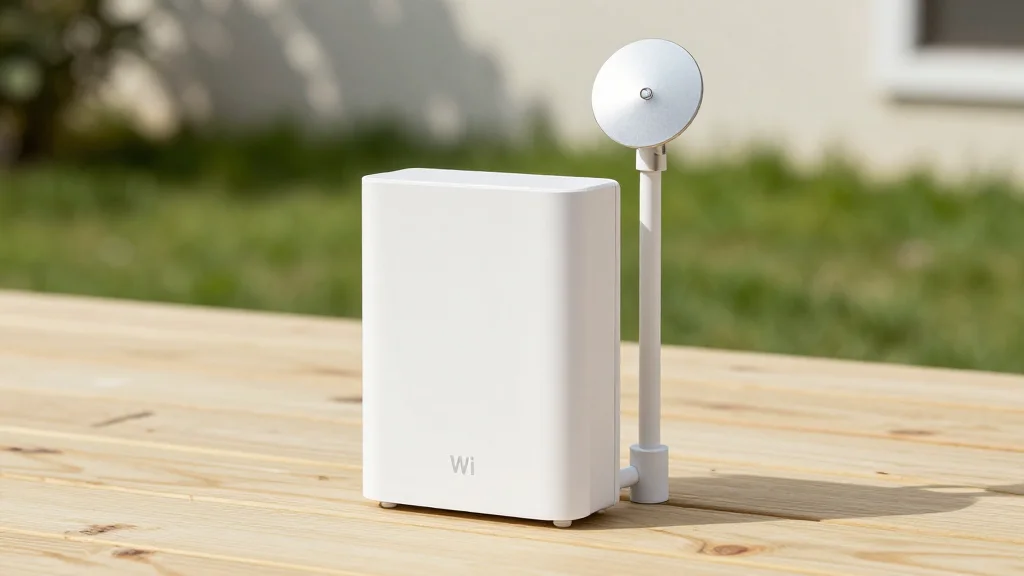
Home Wi‑Fi Gets a Boost: Antenna Tweaks and Backyard Mesh Drive Consumer Upgrades

Companies Mentioned
Why It Matters
The surge in DIY Wi‑Fi optimization reflects a broader shift in the telecom ecosystem, where end‑users are taking network performance into their own hands rather than relying solely on carriers. As broadband and mobile fees climb, households are incentivized to extract maximum value from existing equipment, potentially slowing churn for ISPs but also creating a new market for consumer‑grade networking gear. Moreover, the emphasis on backyard coverage underscores the growing importance of outdoor connectivity for remote work, outdoor entertainment, and IoT deployments. Successful home solutions could set expectations for seamless indoor‑outdoor handoff, pressuring carriers to extend their own coverage footprints or partner with hardware vendors to deliver integrated solutions.
Key Takeaways
- •ZDNet recommends vertical antenna placement for single‑story homes and 30‑degree tilt for two‑story dwellings.
- •Wired advises moving routers toward the garden and using Ethernet‑backhauled mesh nodes for backyard coverage.
- •Outdoor Wi‑Fi 7 routers like TP‑Link Deco 7 Pro ($480 for two) and Eero Outdoor 7 offer weather‑proof extensions.
- •UK mobile and broadband contracts rise by about $85 annually, prompting DIY upgrades.
- •Combined bill hikes total roughly $272 per household, driving demand for low‑cost network improvements.
Pulse Analysis
The convergence of two forces—rising consumer telecom costs and the democratization of high‑performance Wi‑Fi hardware—creates a fertile ground for a DIY networking renaissance. Historically, ISPs have bundled modest routers with broadband packages, banking on limited consumer knowledge to keep upgrade cycles long. Today, the price‑performance gap between legacy ISP gear and off‑the‑shelf Wi‑Fi 7 mesh kits has narrowed dramatically, making it financially sensible for households to replace or augment carrier‑supplied equipment. This shift could erode the traditional revenue stream ISPs earn from equipment rentals and premium service tiers, compelling them to rethink product strategies.
From a market perspective, manufacturers that position outdoor‑rated nodes as easy‑install add‑ons stand to capture a new segment of suburban and rural consumers who previously accepted spotty garden coverage as inevitable. The data points from Wired and ZDNet suggest that a $480‑$700 investment can deliver coverage comparable to a fiber upgrade for many users, especially in low‑density areas where ISPs are slower to roll out fiber. As a result, we may see a surge in sales of weather‑proof routers and a corresponding rise in third‑party installation services.
Looking forward, the real test will be whether carriers respond with competitive indoor‑outdoor bundles or whether they double down on network‑level solutions like 5G fixed wireless. If the latter, the DIY market could become a parallel ecosystem, with consumers mixing carrier broadband, personal mesh, and cellular hotspots to stitch together a seamless home‑wide experience. Either scenario underscores a pivotal moment: the balance of power in home connectivity is tilting toward the consumer, and telecom players must adapt or risk losing relevance in the backyard.
Home Wi‑Fi Gets a Boost: Antenna Tweaks and Backyard Mesh Drive Consumer Upgrades
Comments
Want to join the conversation?
Loading comments...