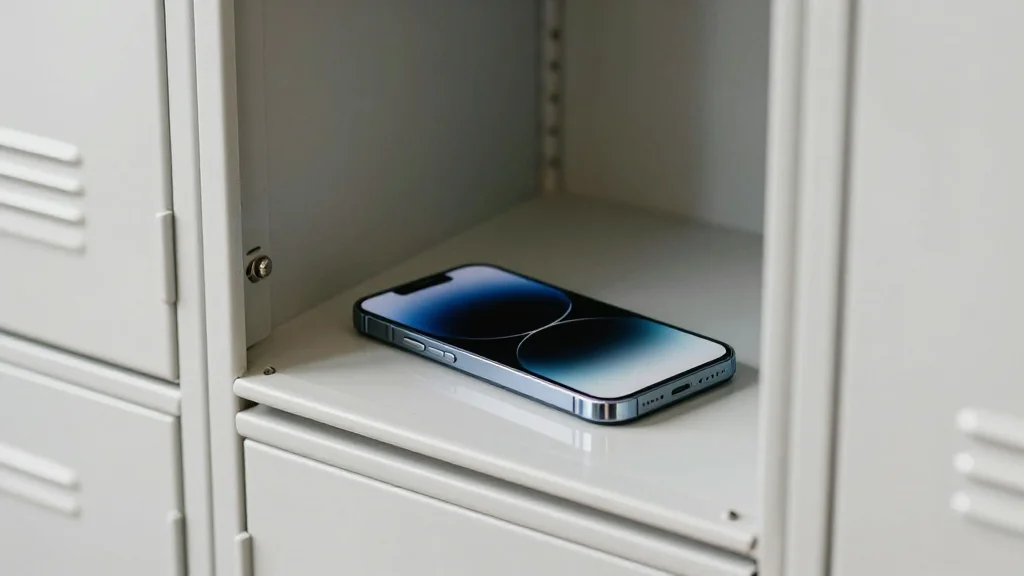
Illinois Senate Passes Statewide Ban on Cellphones in Schools, Effective 2027‑28

Why It Matters
The Illinois cellphone ban marks one of the most comprehensive statewide efforts to limit personal wireless devices in classrooms, a trend that could reverberate across the telecom sector. By redefining where and how students can use mobile technology, the law may curtail consumer data traffic in schools while spurring demand for school‑issued, carrier‑managed devices. It also raises questions about digital equity, as exemptions aim to prevent disproportionate discipline of minority students, highlighting the policy’s social implications. For telecom operators, the legislation signals a shift from consumer‑focused mobile usage toward institutional partnerships. Companies that can supply secure, managed devices and storage infrastructure may capture a new revenue stream, while traditional retail sales of personal smartphones could see a dip in the education market. The broader regulatory environment, including the concurrent social‑media algorithm bill, suggests a growing appetite among policymakers to intervene in the digital lives of minors, potentially prompting further industry adjustments.
Key Takeaways
- •Illinois Senate unanimously passed a ban on personal cellphones, tablets, laptops, gaming consoles and smart watches in K‑12 classrooms.
- •The law takes effect for the 2027‑28 school year, giving districts one year to develop storage and compliance plans.
- •Exemptions include medically necessary devices, IEP accommodations, caregiver use, language translation, and teacher‑approved usage.
- •Governor JB Pritzker and education advocate Jessica Handy claim the ban will improve focus and reduce bullying.
- •The bill could create new market opportunities for telecom carriers and ed‑tech firms offering school‑issued, managed devices.
Pulse Analysis
Illinois' decision to outlaw personal wireless devices in schools reflects a broader national debate over the role of technology in education. Historically, schools have oscillated between embracing digital tools for personalized learning and pulling back when those tools become distractions. This legislation leans heavily toward the latter, driven by concerns over attention spans and cyber‑bullying. The bipartisan nature of the vote suggests that, beyond partisan politics, there is a shared perception that unchecked device use may be eroding core educational outcomes.
From a telecom perspective, the ban is a double‑edged sword. On one hand, carriers could lose a segment of youth data consumption that traditionally flows through school Wi‑Fi networks. On the other, the exemption for school‑issued devices opens a lucrative niche for managed hardware and service contracts, echoing the early 2000s shift when carriers began bundling devices with education‑focused plans. Companies that can quickly adapt to provide secure storage, device‑management platforms, and compliant hardware will likely capture early market share.
The policy's success will hinge on implementation fidelity and measurable educational impact. If districts can demonstrate improved test scores or reduced disciplinary incidents, other states may follow suit, amplifying the market shift. Conversely, if the ban proves logistically burdensome or fails to deliver academic gains, it could fuel a backlash that reinforces the push for integrated digital learning. Either outcome will shape how telecom firms strategize their K‑12 offerings in the coming decade.
Illinois Senate Passes Statewide Ban on Cellphones in Schools, Effective 2027‑28
Comments
Want to join the conversation?
Loading comments...