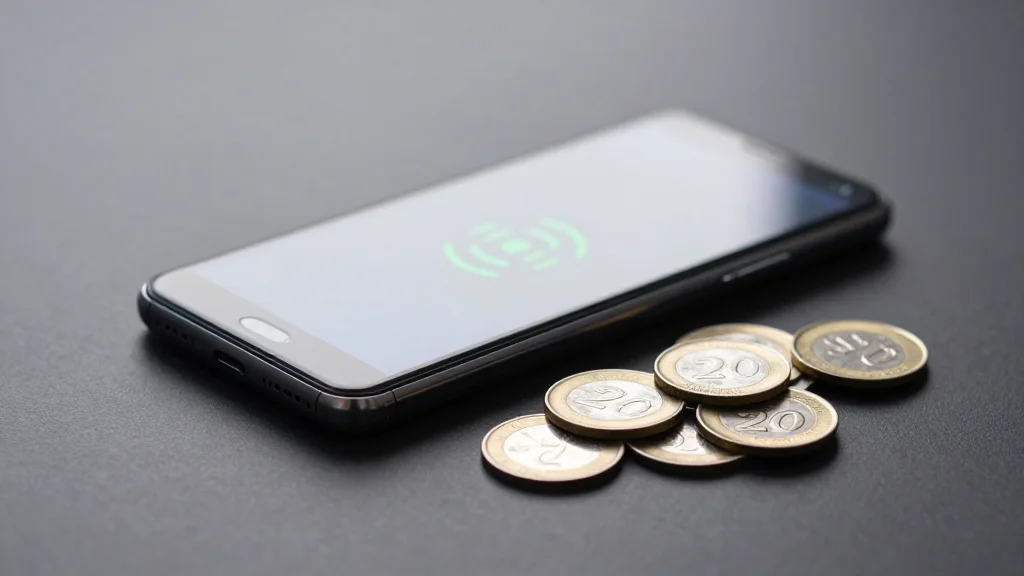
India's TRAI Mandates ₹20 (≈$0.24) Minimum Balance to Stop SIM Deactivation

Companies Mentioned
Why It Matters
The rule directly affects over 300 million prepaid subscribers in India, many of whom keep SIMs for infrequent use. By guaranteeing number retention for a negligible cost, TRAI reduces the risk of losing valuable numbering resources and protects users from the inconvenience and potential security issues of number loss. For operators, the regulation creates a predictable, low‑value revenue stream and a clear compliance requirement, helping to standardise customer service practices across a fragmented market. It also demonstrates regulatory focus on consumer protection amid intense price competition and ongoing consolidation in the Indian telecom sector.
Key Takeaways
- •TRAI mandates a minimum ₹20 (≈ $0.24) balance to keep an inactive SIM active.
- •Operators must deduct ₹20 to extend service for 30 days as long as the balance remains.
- •SIMs inactive for 90 days can be deactivated, but a ₹20 balance prevents this.
- •Deactivated numbers can be reclaimed within 15 days by recharging ₹20.
- •The rule applies uniformly to all Indian operators, including Jio, Airtel, Vi, and BSNL.
Pulse Analysis
TRAI’s ₹20 safeguard is a pragmatic response to a consumer pain point that has been amplified by social media chatter. While the monetary value is trivial, the psychological benefit of knowing a number can be preserved for a few cents cannot be overstated. In a market where prepaid users dominate—accounting for roughly 80% of the subscriber base—small policy tweaks can have outsized effects on churn metrics. Operators that automate the deduction and send proactive reminders are likely to see higher compliance and fewer reclamation requests, translating into smoother operational flows.
Historically, number deactivation has been a blunt tool for managing spectrum efficiency, but it often backfires when users lose numbers tied to banking OTPs or other critical services. By shifting the burden from operators to a minimal user‑maintained balance, TRAI aligns incentives: users pay a token amount to retain control, and operators avoid the administrative overhead of re‑allocating and later reconciling reclaimed numbers. This could set a precedent for other low‑cost consumer protections, such as mandatory grace periods for data plan expirations.
Looking forward, the rule may evolve as e‑SIM adoption rises. Unlike physical SIMs, e‑SIMs can be provisioned remotely, potentially rendering the ₹20 balance model obsolete. TRAI will need to consider how to extend similar protections to digital identities, ensuring that the regulatory intent—preventing accidental loss of connectivity—keeps pace with technology. For now, the ₹20 rule offers a clear, low‑friction solution that benefits both consumers and the industry.
India's TRAI mandates ₹20 (≈$0.24) minimum balance to stop SIM deactivation
Comments
Want to join the conversation?
Loading comments...