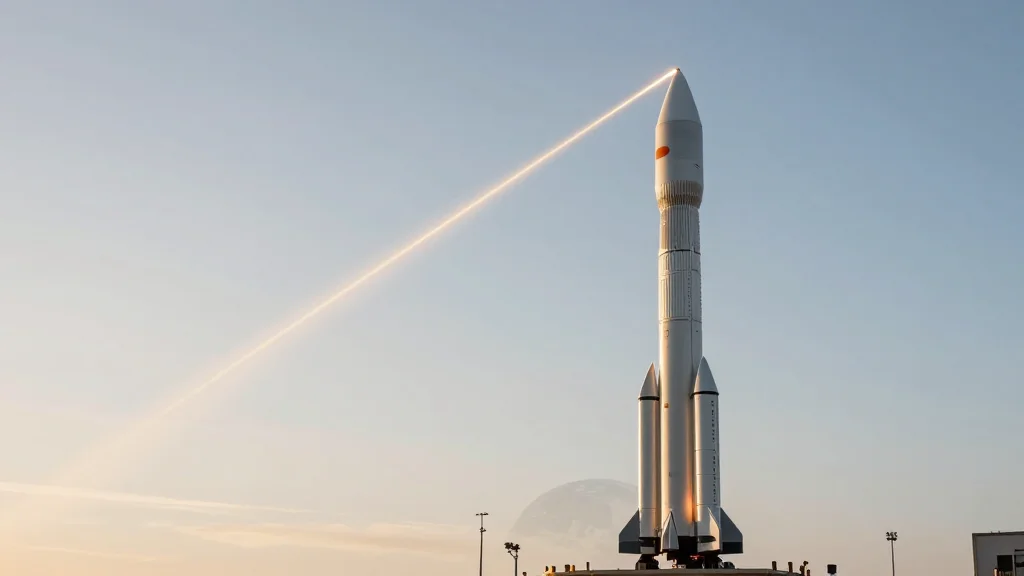
Investors Flock to SpaceX IPO as Starlink Valuation Rockets Toward $1.75 Trillion

Why It Matters
SpaceX’s public debut could reshape the telecom landscape by turning satellite broadband into a mainstream, regulated utility. A successful IPO would provide capital to accelerate Starlink’s network expansion, potentially lowering broadband costs in underserved regions and challenging terrestrial incumbents. Moreover, the Terafab initiative signals a vertical integration of compute hardware that could reduce reliance on Nvidia’s GPUs, altering the supply chain dynamics for AI workloads across the industry. The related‑party debt disclosed in the filing also raises governance questions that could set precedents for how future tech conglomerates handle intra‑company financing. Investors and regulators will scrutinize whether the debt structure truly reflects market terms or masks hidden liabilities, influencing future IPO disclosures in the high‑growth tech sector.
Key Takeaways
- •SpaceX filed an S‑1 targeting a $1.75 trillion valuation, the largest U.S. IPO ever.
- •Antonio Gracias’ Valor Equity holds 7.3% of SpaceX, worth ~$90 billion at the target price.
- •Starlink’s subscriber base exceeds 500 million, fueling a $28.5 trillion addressable market claim.
- •SpaceX recorded $9 billion in related‑party debt after a $20 billion lease arrangement with Valor.
- •Terafab chip‑fab project seeks $55 billion initial spend, with potential scaling to $119 billion.
Pulse Analysis
The SpaceX IPO is more than a capital raise; it is a litmus test for how investors value infrastructure that blurs the line between telecom and space. Starlink’s rapid subscriber growth has turned satellite broadband from a niche service into a mass‑market offering, challenging traditional fiber and cable operators. If the IPO succeeds, the influx of cash could fund aggressive spectrum acquisitions and lower latency constellations, forcing regulators worldwide to revisit spectrum allocation and orbital debris policies.
Musk’s strategy of bundling disparate businesses—rocketry, satellite internet, AI chips—into a single public entity creates both synergy and risk. The Terafab fab, while promising supply‑chain independence, introduces massive capital intensity and technical uncertainty. Should the fab falter, the IPO’s valuation could be called into question, especially given the $9 billion related‑party debt that already sits on the balance sheet. Analysts will likely price in a discount for execution risk, but the market’s appetite for Musk‑driven narratives may compress that discount.
Finally, the governance structure—super‑voting shares that give Musk 85% voting power—mirrors the founder‑centric models of Google and Facebook but at a scale never before seen. This concentration of control could deter institutional investors who demand board independence, yet the allure of participating in a historic space‑based telecom rollout may outweigh those concerns. The IPO’s outcome will therefore serve as a bellwether for future mega‑cap tech listings that combine physical infrastructure with digital services.
Investors Flock to SpaceX IPO as Starlink Valuation Rockets Toward $1.75 Trillion
Comments
Want to join the conversation?
Loading comments...