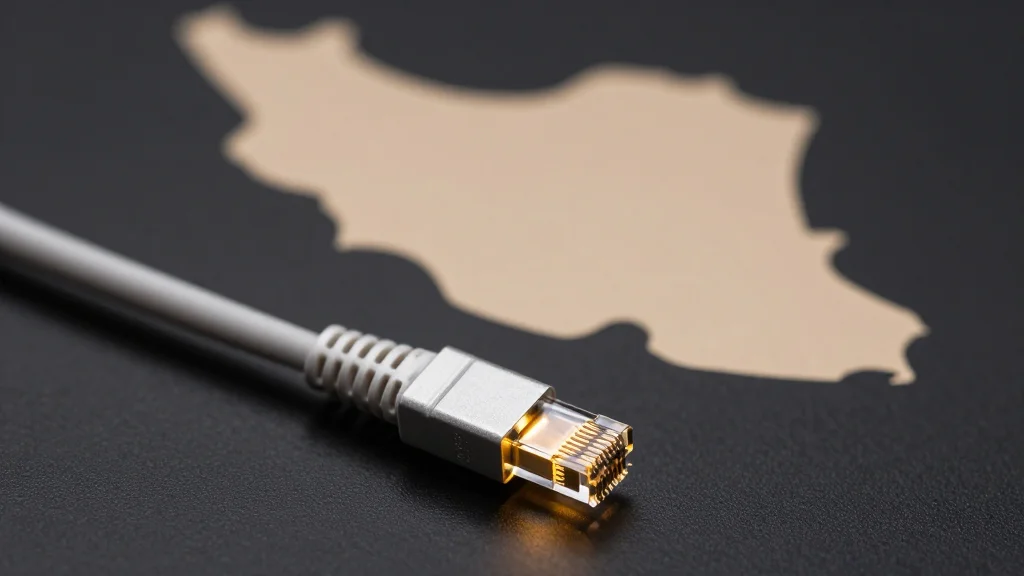
Iran Partially Restores Internet Access After Months-Long Shutdown
Why It Matters
Even limited internet access eases economic strain, restores channels for commerce and communication, and hints at a possible softening of Iran’s information controls amid war‑time pressures.
Key Takeaways
- •Iran's internet shutdown lasted 88 days, longest modern nationwide blackout
- •Fixed broadband restored; mobile data remains largely offline
- •Restoration driven by moderate president, but hardliners control final decision
- •Partial connectivity hampers economy, but signals possible easing of restrictions
- •International monitors still question permanence of the restoration
Pulse Analysis
The three‑month internet shutdown, imposed shortly after the February 28 war escalation, represented the longest nationwide blackout in modern history. By severing international links, Iran crippled e‑commerce, ride‑hailing, and online education, while a state‑run intranet kept essential services running. Analysts estimate the outage cost the Iranian digital economy billions of dollars, exacerbating an already fragile situation caused by sanctions and war‑related supply chain disruptions.
The partial restoration announced on day 88 marks a nuanced shift. Fixed broadband connections for homes and offices have been re‑enabled, allowing users to access global websites without VPNs, yet mobile networks remain largely shut down, and many social platforms still require circumvention tools. The announcement was made by Vice President Mohammad Reza Aref, echoing President Masoud Pezeshkian’s push for moderated policies, but ultimate authority lies with the Supreme National Security Council, a hard‑line body that can reverse or delay further openings. This internal tug‑of‑war reflects competing priorities: preserving regime control versus mitigating economic fallout.
For businesses and investors, the limited reconnection offers a tentative lifeline. Companies reliant on cross‑border data flows can resume some operations, and Iranian entrepreneurs regain access to global markets, albeit unevenly. However, the patchy nature of service and the uncertainty over a permanent lift mean risk assessments must remain cautious. Observers also note that the move could signal a broader diplomatic opening, as Iran seeks to alleviate domestic discontent while navigating international scrutiny. Continued monitoring by groups like NetBlocks will be essential to gauge whether this is a lasting policy shift or a temporary concession.
Iran partially restores internet access after months-long shutdown
Comments
Want to join the conversation?
Loading comments...