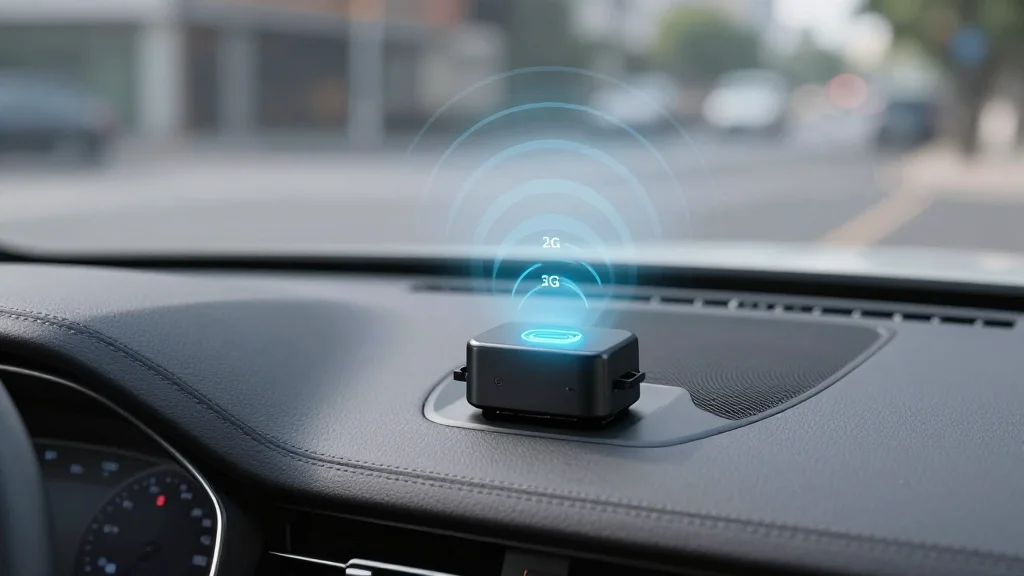
LG Electronics Unveils Hybrid eCall Solution for 2G‑5G Emergency Calls at 5GAA Sweden

Companies Mentioned
Why It Matters
The Hybrid eCall solution tackles a critical gap between existing cellular infrastructure and emerging 5G networks, ensuring that emergency communications remain reliable as vehicles become increasingly connected. By delivering a single, certification‑ready module, LG reduces complexity for automakers and accelerates compliance with Europe’s 2027 safety mandate, potentially setting a global benchmark for emergency telematics. Beyond safety, the technology underscores the broader shift toward heterogeneous network support in automotive IoT. As vehicles adopt more data‑intensive services—over‑the‑air updates, V2X messaging, and autonomous driving aids—seamless network handover will be essential. LG’s early move positions it to capture ancillary revenue streams from future connected‑car services, reinforcing its leadership in the telematics ecosystem.
Key Takeaways
- •LG showcased Hybrid eCall at 5GAA’s 37th Meeting Week in Gothenburg on April 23.
- •The solution operates across 2G, 3G, 4G and 5G, automatically switching networks for uninterrupted emergency calls.
- •Europe’s NG eCall rule, effective 2027, requires 4G/5G support for all new‑model vehicles.
- •LG’s in‑house conformity lab holds ISO/IEC 17025 accreditation and GCF recognition, speeding certification.
- •The global telematics market is projected to exceed $30 billion by 2032, growing at >12% CAGR.
Pulse Analysis
LG’s hybrid eCall rollout is a strategic play that leverages its existing dominance in telematics to lock in future OEM contracts before the NG eCall deadline. By offering a single‑chip solution that spans legacy and next‑gen networks, LG sidesteps the fragmented supplier landscape that could otherwise dilute market share. The in‑house certification capability is a subtle but powerful differentiator; it reduces time‑to‑market for carmakers, a factor that can tip procurement decisions when multiple vendors vie for the same slot in a vehicle’s electronic architecture.
Historically, telecom upgrades in automotive contexts have been incremental, with manufacturers adding separate modules for each new radio technology. LG’s approach flips that model, treating the cellular stack as a fluid resource rather than a static component. If the hybrid solution proves reliable in large‑scale deployments, it could accelerate the broader industry shift toward software‑defined radios, where a single hardware platform can be reprogrammed to support future standards beyond 5G. This would not only future‑proof vehicles but also open new revenue streams for LG through firmware updates and value‑added services.
The timing aligns with heightened regulatory scrutiny and a surge in public‑safety funding across Europe. Governments are increasingly willing to subsidize infrastructure that demonstrably improves emergency response times. LG’s early compliance could make it a preferred partner for public‑private initiatives, further entrenching its position. However, the solution’s success hinges on real‑world performance in heterogeneous coverage zones and on OEMs’ willingness to replace existing telematics stacks. Competitors like Continental and Bosch are also developing multi‑band modules, so LG must maintain its lead through aggressive pricing, robust field data, and continued certification agility.
LG Electronics Unveils Hybrid eCall Solution for 2G‑5G Emergency Calls at 5GAA Sweden
Comments
Want to join the conversation?
Loading comments...