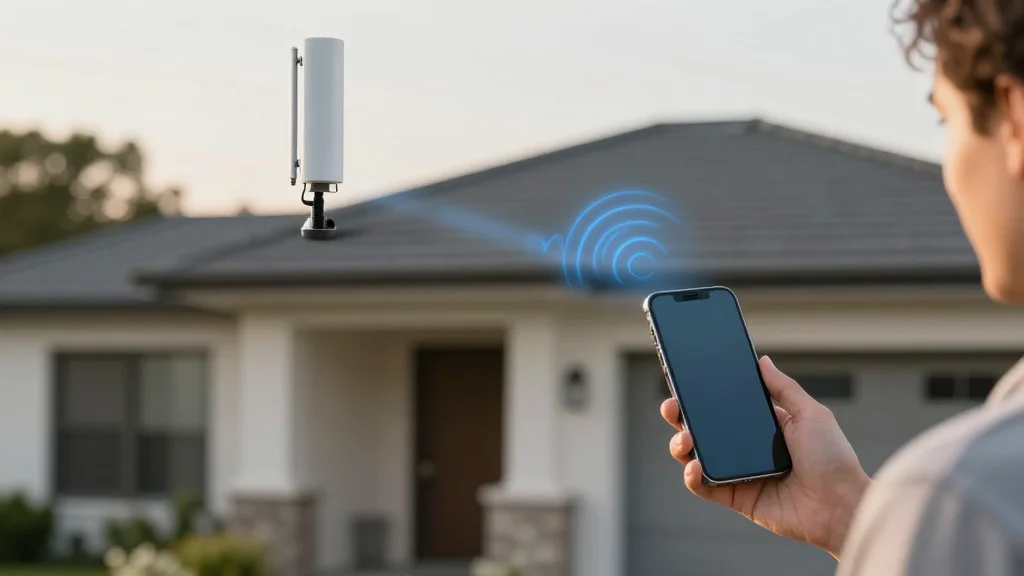
Mint Mobile Rolls Out $45/Month 5G Home‑internet and Mobile Bundle on T‑Mobile Network

Why It Matters
The Mint Mobile bundle marks a notable shift toward wireless broadband as a mainstream alternative to cable and fiber. By pricing a combined home‑internet and mobile plan at $45 a month, the carrier challenges entrenched pricing models and could accelerate consumer migration away from legacy ISPs, especially in markets where T‑Mobile’s 5G coverage is robust. The move also highlights the growing importance of MVNOs in the telecom ecosystem, as they leverage the infrastructure of major carriers to create niche offerings that appeal to cost‑conscious users. If the bundle gains traction, it could spur further competition among wireless providers to launch similar low‑cost home‑internet products, potentially compressing margins for traditional broadband operators. Moreover, the five‑year lock‑in may influence how consumers evaluate long‑term contracts versus month‑to‑month flexibility, reshaping subscription dynamics across the sector.
Key Takeaways
- •Mint Mobile’s new bundle costs $45 per month ($540 annually) and includes 5G home internet plus unlimited mobile service.
- •Advertised download speeds range from 133 Mbps to 415 Mbps; upload speeds from 12 Mbps to 55 Mbps.
- •Plan runs on T‑Mobile’s 5G network and requires a wireless gateway rather than a traditional ISP router.
- •Five‑year service lock, no HD video streaming included, and coverage limited to T‑Mobile 5G footprints.
- •Price undercuts comparable offers: Spectrum 1 Gbps at $70/month and T‑Mobile’s own 3‑line bundle at $175/month.
Pulse Analysis
Mint Mobile’s foray into wireless broadband reflects a broader industry trend where MVNOs exploit the expanding 5G footprint to offer bundled services at disruptive price points. Historically, home‑internet bundles have been the domain of incumbent cable and fiber operators, who command high ARPU through bundled TV, internet, and phone packages. By stripping away legacy TV services and leveraging T‑Mobile’s existing network, Mint can deliver a leaner product that appeals to the growing segment of cord‑cutters and budget‑focused households.
The $45 price tag is particularly striking because it sits well below the $70 benchmark for a 1 Gbps fiber plan, even though the Mint offering delivers lower maximum speeds and a less stable connection. This price‑performance trade‑off is likely to resonate in suburban markets where 5G coverage is strong but fiber deployment is uneven. However, the five‑year lock‑in could deter customers wary of long‑term commitments, especially given the variability inherent in cellular backhaul. The success of the bundle will hinge on Mint’s ability to clearly communicate coverage maps and manage consumer expectations around speed fluctuations.
From a competitive standpoint, the move puts pressure on both T‑Mobile and traditional ISPs. T‑Mobile stands to gain wholesale revenue but may see its own higher‑margin broadband plans eroded if consumers opt for the cheaper Mint alternative. Cable operators, meanwhile, could be forced to introduce more aggressive pricing or hybrid wireless‑wired solutions to retain market share. In the longer term, the Mint Mobile bundle could serve as a catalyst for a wave of similar low‑cost, carrier‑agnostic broadband products, accelerating the convergence of mobile and fixed‑line services across the telecom landscape.
Mint Mobile rolls out $45/month 5G home‑internet and mobile bundle on T‑Mobile network
Comments
Want to join the conversation?
Loading comments...