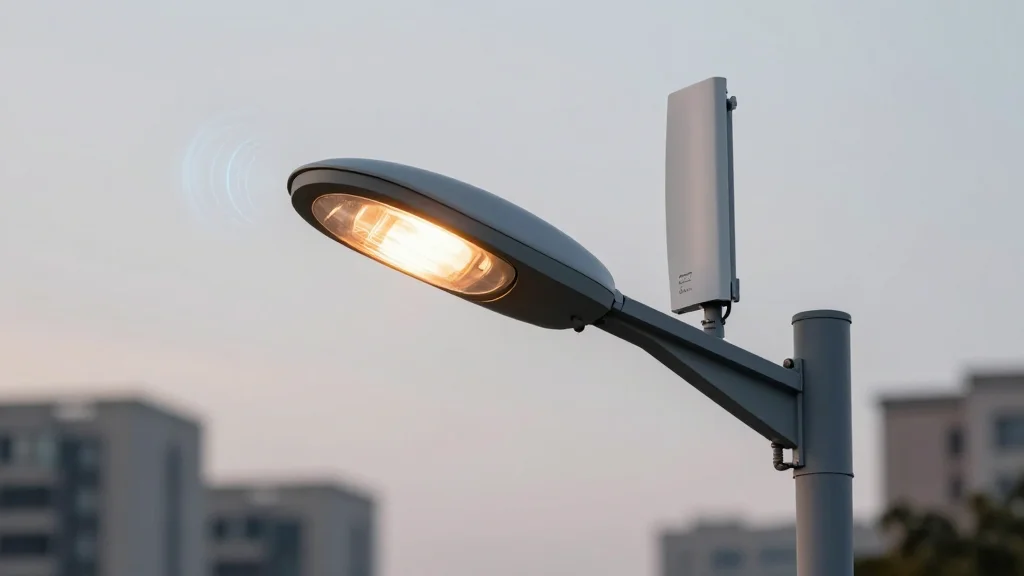
MmWave 5G Performance in the U.S.: Ultra-Fast Speeds, Limited Reach Drive Strategic Deployments
Companies Mentioned
Why It Matters
Gigabit‑level mmWave speeds unlock new capacity for dense urban venues, but the short range reshapes how carriers invest in infrastructure and prioritize spectrum assets.
Key Takeaways
- •Verizon covers 91 U.S. metros with mmWave, up from 75 in 2024.
- •mmWave delivers >1 Gbps downloads, rivaling fiber in short range.
- •Only 2.2% of Verizon test samples use mmWave, showing niche role.
- •Effective range stays under 150 m, requiring dense small‑cell deployment.
- •Operators treat mmWave as capacity layer complementing mid‑band coverage.
Pulse Analysis
The performance edge of mmWave 5G stems from its access to massive contiguous spectrum blocks—often 600‑800 MHz in the 28 GHz band. This bandwidth enables multi‑gigabit throughput that rivals wired fiber, especially in environments where wired connections are impractical. Verizon’s aggressive spectrum acquisitions and the integration of Straight Path’s assets have translated into the most extensive high‑band network in the United States, allowing it to consistently push download speeds beyond 1 Gbps in real‑world conditions.
However, the physics of high‑frequency signals impose a stark trade‑off: propagation distances rarely exceed 150 meters and penetration through walls is poor. To capitalize on the speed advantage, carriers must install dense arrays of small cells, a capital‑intensive endeavor best suited for venues with predictable high traffic—stadiums, concert halls, and bustling downtown corridors. This limited reach also explains why mmWave accounts for a modest share of overall traffic, serving primarily as a congestion‑relief layer rather than a blanket coverage solution.
Strategically, mmWave is evolving from the headline‑grabbing promise of early 5G rollouts to a specialized asset within a layered network architecture. Operators blend it with mid‑band and low‑band layers to deliver a seamless experience: broad coverage from lower frequencies and peak performance from mmWave in hotspots. The United States leads globally in mmWave deployment, and as device support expands and spectrum auctions continue, the technology is poised to support emerging use cases such as fixed wireless access, immersive AR/VR, and ultra‑low‑latency industrial applications, cementing its role in the next phase of 5G evolution.
mmWave 5G Performance in the U.S.: Ultra-Fast Speeds, Limited Reach Drive Strategic Deployments
Comments
Want to join the conversation?
Loading comments...