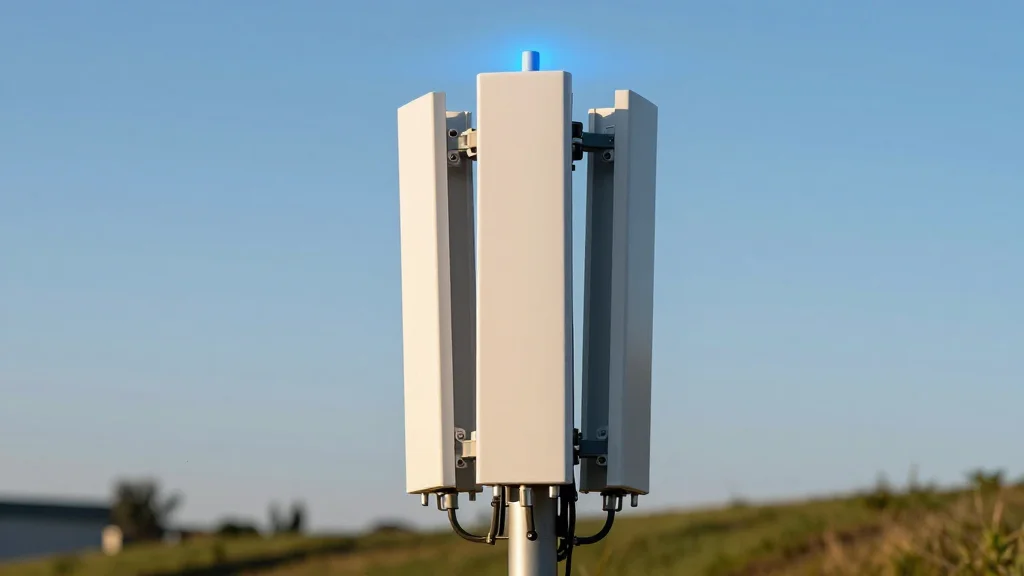
Nextlink Launches Nation’s First BEAD‑Funded Tower Using Tarana ngFWA

Why It Matters
The launch validates the BEAD program’s shift toward technology‑neutral funding and faster execution, offering a template for other states to accelerate rural broadband. By proving that fixed wireless can deliver gigabit speeds in challenging terrain, the deployment expands the toolkit for closing the connectivity gap without the high costs of laying fiber. If Nextlink’s rollout meets its ambitious 2026 targets, it could reshape federal broadband strategy, encouraging more providers to adopt flexible spectrum solutions like CBRS and unlicensed bands. This could lead to a more competitive market, lower consumer prices, and faster broadband adoption in underserved communities across the United States.
Key Takeaways
- •Nextlink activated the first BEAD‑funded tower on May 1, 2026 in Bienville Parish, LA.
- •The $18.5 million Louisiana subgrant will serve 104 locations initially and 7,460 sites statewide.
- •Tarana’s ngFWA Gen 2 platform uses 3.5 GHz CBRS and 6 GHz unlicensed spectrum to deliver gigabit speeds.
- •Nextlink holds ~1,072 CBRS PALs across 491 counties in 11 states, the third‑largest holder in the U.S.
- •Company aims to launch >600 G2 sectors covering 317,000 locations by end‑2026.
Pulse Analysis
Nextlink’s rapid deployment signals a turning point for the BEAD program, which has long been criticized for bureaucratic delays. By pairing federal funding with a technology‑agnostic approach, the company sidestepped the traditional fiber‑first mindset that often stalls projects in low‑density areas. The use of CBRS—a shared, mid‑band spectrum—offers a cost‑effective bridge between legacy wireless and future 5G deployments, positioning Nextlink to capitalize on both current demand and upcoming spectrum auctions.
Historically, fixed wireless struggled with reliability in heavily forested regions, limiting its appeal for broadband‑grade service. Tarana’s ngFWA Gen 2 claims to overcome these hurdles through advanced beamforming and the addition of 6 GHz unlicensed spectrum, a claim that will be tested as the network scales. Success could prompt the FCC and NTIA to further endorse spectrum sharing models, potentially reshaping the regulatory landscape.
Looking ahead, the real test will be whether the model can be replicated in states with different regulatory environments and terrain challenges. If Nextlink delivers on its performance promises, investors may see a surge in capital toward CBRS‑centric providers, while policymakers could push for more flexible BEAD guidelines that prioritize speed of deployment over specific technology mandates. The outcome will likely influence the next wave of broadband policy and investment across the nation.
Nextlink Launches Nation’s First BEAD‑Funded Tower Using Tarana ngFWA
Comments
Want to join the conversation?
Loading comments...