Why It Matters
The removal of airtime‑credit erodes a critical micro‑finance tool for low‑income users, pressuring telecoms to rethink compliance and opening space for fintech alternatives.
Key Takeaways
- •MTN and Airtel halted airtime‑credit services after regulator deadline
- •FCCPC says services stopped due to non‑compliance, not a ban
- •Millions lose micro‑credit lifelines essential for urgent calls and work
- •Operators may face legal challenges over lending regulation enforcement
- •Regulatory uncertainty could spur fintech alternatives for micro‑credit
Pulse Analysis
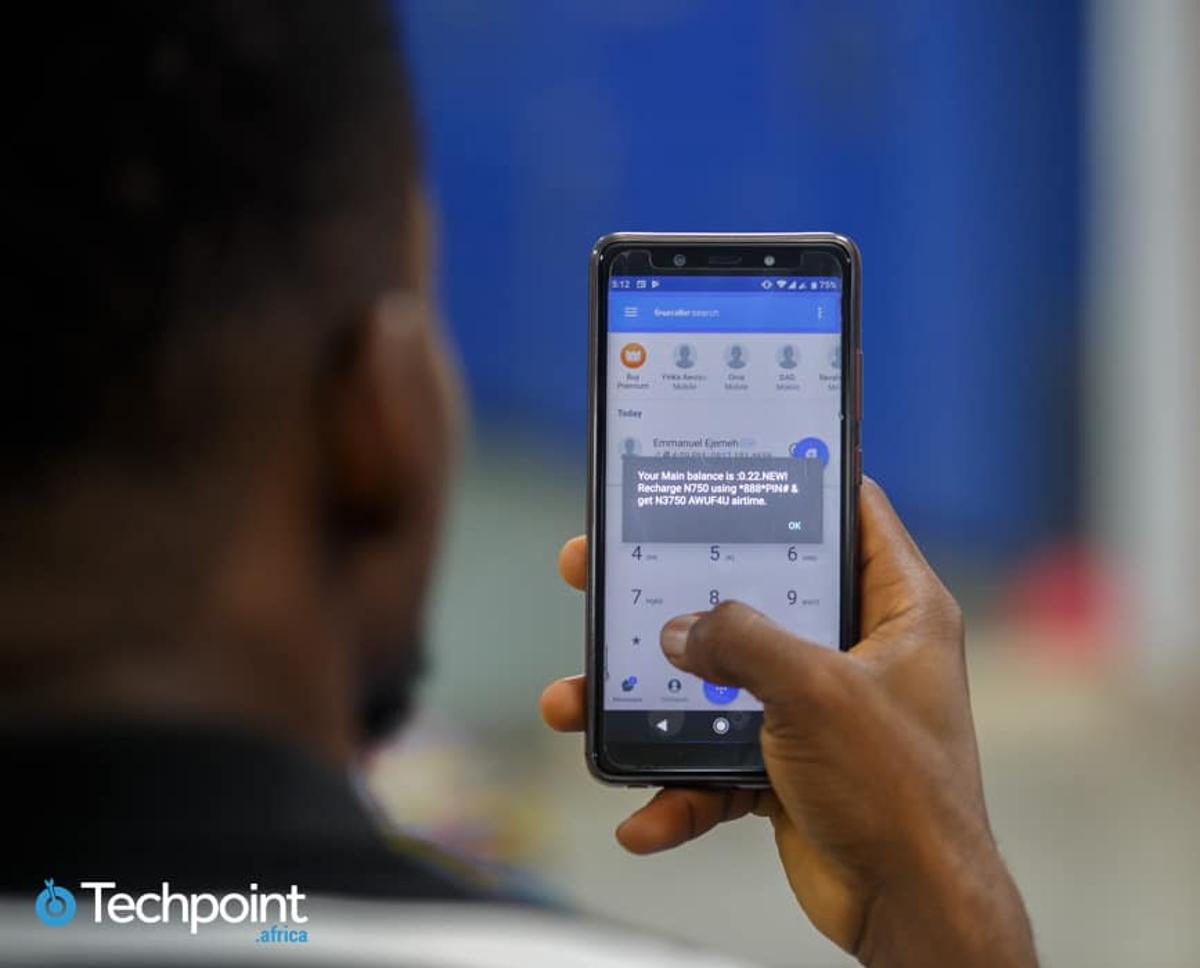
Airtime‑credit schemes like MTN’s Xtratime have become informal micro‑loans in Nigeria, allowing users to borrow as little as ₦200 (about $0.25) to make a call or finish a data‑intensive task. Introduced to capture low‑spending customers, these services grew into a social safety net amid rising living costs. The FCCPC’s lending framework, rolled out in 2025, requires telecoms to meet capital, reporting, and consumer‑protection standards. When MTN and Airtel fell short, they chose to suspend the products rather than risk penalties, prompting accusations of a regulator‑driven crackdown even as the commission insists the decision was operator‑initiated.
The abrupt loss of credit options hits Nigeria’s most vulnerable consumers hard. For many, a quick ₦200 loan can mean the difference between contacting emergency services or missing a job‑related deadline. Without these lifelines, users may turn to informal lenders who charge exorbitant rates, deepening financial exclusion. The gap also creates an opportunity for fintech firms to develop compliant, digital micro‑credit platforms that can integrate with telecom billing systems, offering a regulated alternative while preserving the convenience users expect.
Looking ahead, the telecom sector faces a crossroads. Legal challenges are already emerging as operators contest the FCCPC’s enforcement tactics, while regulators argue that stricter oversight protects consumers from predatory practices. Policymakers must balance financial inclusion with systemic risk, perhaps by establishing a clear licensing pathway for micro‑credit tied to mobile services. Successful navigation could set a precedent for other African markets where telecom‑based credit remains a crucial, yet under‑regulated, component of the informal economy.
Nigeria’s airtime lifeline just got disrupted
Comments
Want to join the conversation?
Loading comments...