Noble Mobile Acquires Helium Mobile, Expanding Budget Carrier Reach

Companies Mentioned
Why It Matters
The acquisition merges two distinct low‑cost wireless strategies—traditional wholesale‑based pricing and a decentralized, token‑rewarded hotspot model—potentially reshaping how budget carriers compete on price, data usage incentives, and network ownership. If Noble successfully leverages Helium’s hotspot ecosystem, it could lower its own network costs, pass savings to consumers, and set a precedent for hybrid carrier models. Beyond pricing, the deal tests the commercial viability of crypto‑driven network incentives at scale. A larger, regulated carrier taking over a decentralized network may attract scrutiny from regulators concerned about consumer protection and the handling of token rewards, while also offering a blueprint for integrating blockchain concepts into mainstream telecom services.
Key Takeaways
- •Noble Mobile announced the acquisition of Helium Mobile on Tuesday; financial terms were not disclosed.
- •Helium Mobile has roughly 600,000 sign‑ups since its 2023 launch, including churned accounts.
- •Noble’s flagship plan costs $50 per month with unlimited data and up to $20 monthly rebates for low usage.
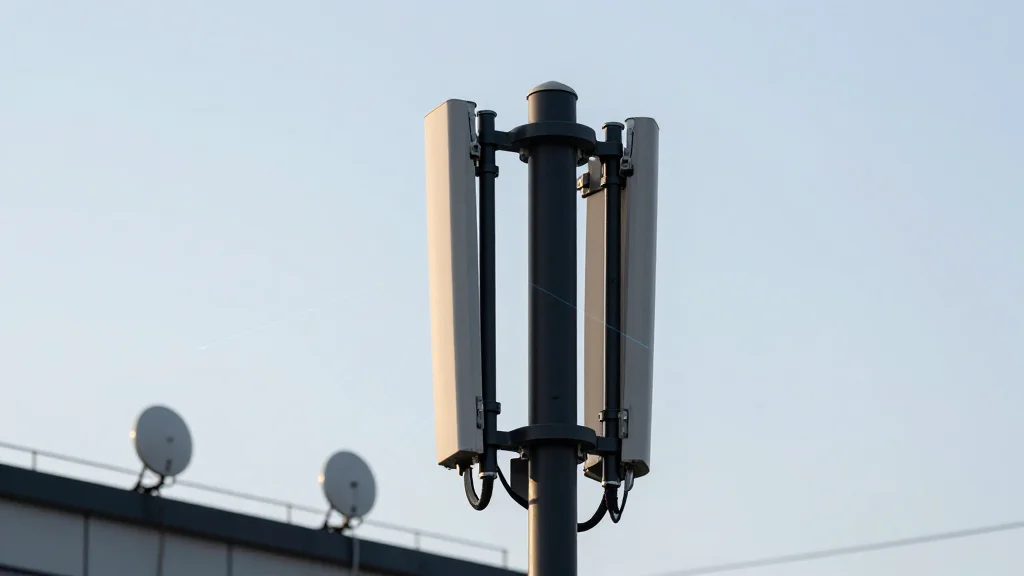
- •Helium’s crypto‑powered hotspot network rewards owners with tokens, a feature that may become available to Noble customers.
- •The deal separates Helium Mobile from parent Nova Labs, ending a controversial chapter for the startup.
Pulse Analysis
The Noble‑Helium merger is more than a headline‑grabbing acquisition; it signals a strategic pivot in the discount carrier arena toward hybrid network models. Historically, low‑cost carriers have relied on wholesale agreements with the big three—AT&T, Verizon, and T‑Mobile—to keep prices low, sacrificing control over network quality. Helium’s decentralized hotspot approach, while still nascent, offers a way to offset wholesale costs by crowdsourcing coverage and incentivizing users with tokens. By combining these models, Noble could achieve a cost structure that undercuts rivals while delivering a novel value proposition: data rebates plus token earnings.
From a competitive standpoint, the move could force other budget players to reconsider their own network strategies. If Noble can demonstrate that token‑based incentives drive measurable reductions in data consumption, it may pressure incumbents to adopt similar demand‑management tools. Moreover, the acquisition gives Noble a foothold in the emerging Web3 telecom space, positioning it as an early mover in a market that could attract venture capital and regulatory attention alike.
However, integration risks are significant. Helium’s token economy is built on a decentralized ethos that may clash with Noble’s corporate governance and compliance requirements. Any misstep—such as abrupt changes to token rewards or data‑plan pricing—could alienate Helium’s early adopters, who value the network’s community‑driven nature. Additionally, regulators may scrutinize the consolidation of a decentralized network under a single owner, especially if consumer data or financial assets (tokens) are involved. The success of this deal will hinge on Noble’s ability to preserve Helium’s community appeal while extracting operational efficiencies, a balance that could set the template for future telecom‑crypto collaborations.
Noble Mobile Acquires Helium Mobile, Expanding Budget Carrier Reach
Comments
Want to join the conversation?
Loading comments...