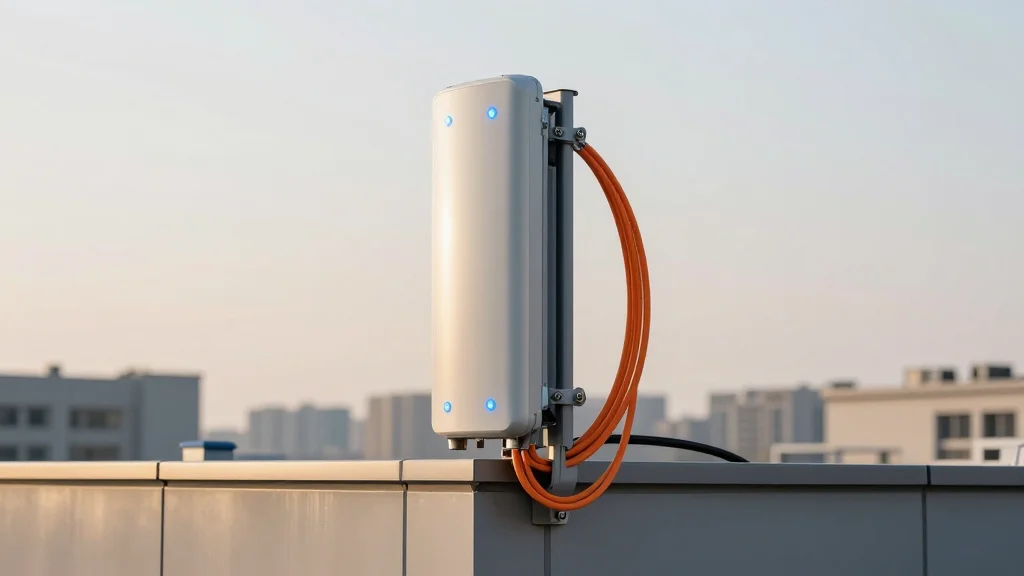
Why It Matters
The expansion strengthens O2’s 5G footprint in a high‑growth market, supporting digital inclusion and competitive positioning, while navigating regulatory scrutiny that could set precedents for future network densification.
Key Takeaways
- •O2 and Cornerstone filed planning application for new rooftop antennas
- •Upgrade targets Sunderland Telephone Exchange to meet high 5G demand
- •Project includes new antennas, radio gear, and fiber‑optic cable replacement
- •O2 cites public benefits and contribution to sustainability goals
- •Recent mast rejection in York highlights ongoing local opposition to 5G
Pulse Analysis
The United Kingdom’s 5G rollout has entered a critical phase as mobile operators scramble to densify networks and close coverage gaps. O2, the consumer brand of Telefónica UK, is focusing on urban upgrades that can be deployed quickly and with minimal visual impact. By partnering with infrastructure specialist Cornerstone, the carrier aims to reinforce its footprint in the North East, a region where demand for high‑speed mobile broadband has outpaced existing capacity. This move also positions O2 against rivals EE and Three, which are pursuing similar densification projects across the country.
The Sunderland proposal centres on retrofitting the existing telephone exchange with additional antenna panels, advanced radio units and new fiber‑optic links. Such rooftop installations can boost throughput without the need for tall masts, aligning with O2’s sustainability narrative that emphasizes lower energy consumption and reduced material waste. Analysts expect the upgrade to deliver multi‑gigabit speeds to residential and enterprise users, supporting data‑intensive applications like remote work, AR/VR, and IoT deployments. The operator also highlights the public‑interest angle, arguing that broader 5G access underpins economic growth and digital inclusion.
Despite the technical merits, local planning authorities remain a decisive factor. Earlier this month, Sunderland City Council’s decision will be scrutinized after a nearby 57‑foot mast in Bishopthorpe was denied over visual intrusion and health concerns. Community opposition to perceived health risks and aesthetic impacts can delay or reshape rollout timelines, prompting operators to favour discreet rooftop solutions. The outcome of O2’s application will signal how effectively the industry can balance rapid network expansion with evolving regulatory and public sentiment, a dynamic that will shape the next wave of UK 5G deployments.
O2 Looks To Boost Sunderland 5G Service
Comments
Want to join the conversation?
Loading comments...