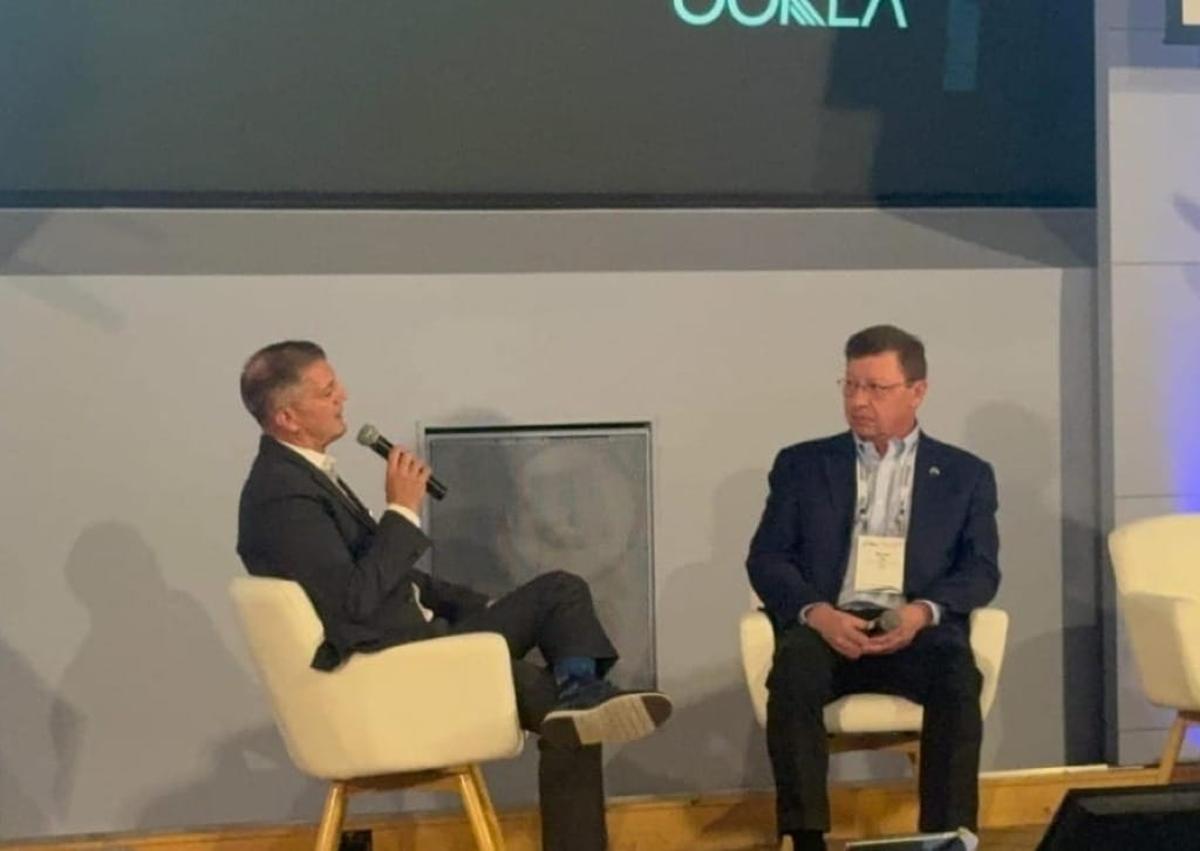
Ookla Executive Says FCC App Doesn’t Account for Indoor Coverage Gaps
Companies Mentioned
Why It Matters
Indoor coverage gaps can delay emergency calls, jeopardizing public safety and skewing policy data, making accurate measurement essential for regulators and carriers.
Key Takeaways
- •FCC app tests only outdoor signal strength.
- •Majority of 911 calls originate indoors.
- •Indoor gaps risk delayed emergency response.
- •Darr urges indoor testing or device data integration.
- •FCC has not confirmed app updates.
Pulse Analysis
The Federal Communications Commission rolled out a mobile broadband challenge app in early 2026, aiming to crowdsource real‑world coverage data from consumers. By prompting users to step outside and run a signal‑strength test, the tool intends to flag underserved areas and pressure carriers to improve service. However, Ookla’s vice president of government affairs, Bryan Darr, highlighted a fundamental flaw: the methodology ignores indoor reception, where most users actually experience their networks. Without an indoor component, the dataset risks being skewed, limiting the FCC’s ability to diagnose true coverage gaps.
Public‑safety experts warn that the omission is more than a technical oversight. Studies show that roughly 80 % of 911 calls are placed from inside homes, offices or commercial buildings, where walls and glass can attenuate signals dramatically. When indoor signal strength falls below the threshold needed for voice or data, callers may experience dropped calls or delayed connections, potentially endangering lives. Carriers already face regulatory pressure to meet indoor coverage benchmarks, and an incomplete data set could blunt enforcement actions, allowing persistent dead zones to persist unnoticed.
To close the gap, Darr suggested two practical paths: incorporate an indoor‑testing mode that uses the phone’s built‑in signal‑meter while the user remains inside, or aggregate passive signal reports from apps that already collect location‑tagged strength data. Both approaches would give regulators a more granular view of real‑world performance and help carriers prioritize network densification in high‑rise and basement environments. The FCC has not yet signaled a timeline for a redesign, but industry analysts expect pressure to mount as consumer advocacy groups cite the public‑safety risk.
Ookla Executive Says FCC App Doesn’t Account for Indoor Coverage Gaps
Comments
Want to join the conversation?
Loading comments...