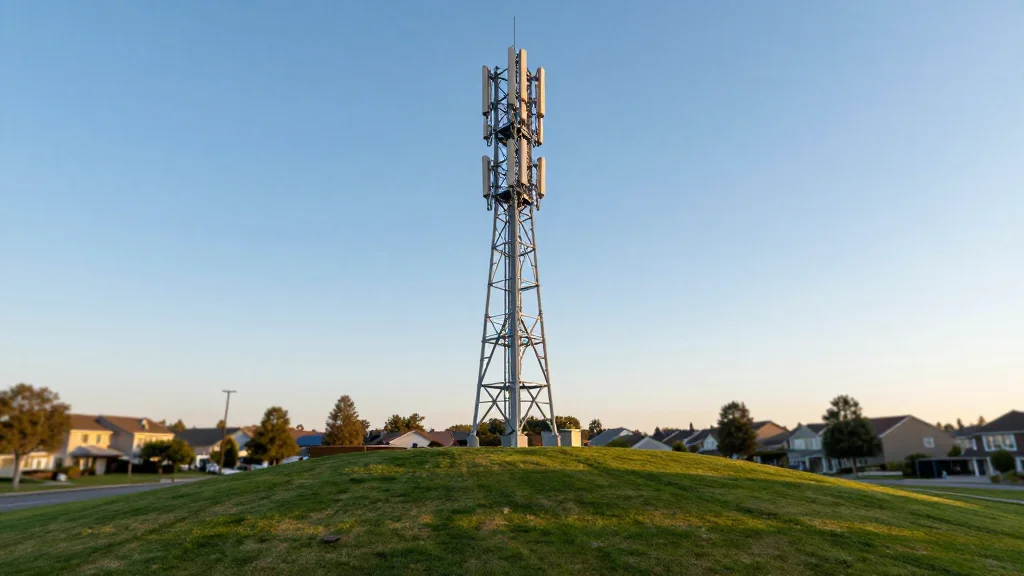
Peoria City Council Approves 70‑Foot Cell Tower to Boost Emergency Calls

Companies Mentioned
Why It Matters
The approval illustrates how telecom operators are navigating the delicate balance between expanding critical infrastructure and addressing community aesthetic concerns. As 5G rollout accelerates, similar disputes are likely to arise nationwide, testing the limits of FCC preemption and local zoning authority. Reliable emergency communications are a public‑policy priority, but the outcome of this case could set a precedent for how quickly carriers can overcome local opposition when safety arguments are invoked. Moreover, the decision highlights the role of municipal leadership in mediating between resident sentiment and carrier needs. By siding with public‑safety arguments, Peoria’s council may encourage other jurisdictions to prioritize emergency service reliability over visual objections, potentially smoothing the path for future tower deployments in rapidly expanding suburbs.
Key Takeaways
- •Peoria City Council voted unanimously on June 2 to approve a 70‑foot cell tower.
- •The tower will sit on a 1,000‑sq‑ft HOA site near Vistancia Blvd and Westland Rd, 200 ft from homes.
- •Planning Commission had voted 3‑1 to deny the permit, citing visual and property‑value concerns.
- •FCC rules preempt local bans based on aesthetics or perceived RF emissions.
- •Verizon’s partner Tower Asset Group argues the site improves emergency call reliability.
Pulse Analysis
The Peoria decision reflects a broader shift in telecom infrastructure strategy: operators are leveraging federal preemption to sidestep local zoning hurdles, especially when they can frame deployments as essential to public safety. Historically, community opposition has stalled tower projects, prompting carriers to invest in stealth designs or negotiate alternative sites. Here, the city’s willingness to accept a conventional tower suggests that the safety narrative can outweigh aesthetic objections, particularly in fast‑growing markets where service gaps are acute.
From a market perspective, the approval could accelerate Verizon’s 5G densification plans in the Phoenix metro area, a region where carrier competition is fierce and consumer expectations for high‑speed, reliable coverage are rising. The tower’s proximity to schools and parks also underscores the growing expectation that carriers will support not just consumer data traffic but also mission‑critical services like emergency response. If the tower delivers measurable improvements in dropped‑call rates and 911 connectivity, it may become a case study for other municipalities wrestling with similar trade‑offs.
Looking ahead, the key risk lies in potential legal challenges. While FCC preemption is clear, community groups sometimes pursue litigation on procedural grounds or allege insufficient mitigation of visual impact. Should an appeal delay construction, carriers could face cost overruns and reputational damage. Conversely, a smooth rollout that demonstrably enhances emergency communications could reinforce the argument that public‑safety imperatives justify expedited approvals, nudging more localities toward a pro‑tower stance.
Overall, the Peoria tower serves as a microcosm of the telecom industry’s ongoing battle to reconcile rapid network expansion with community values, a dynamic that will shape the rollout of next‑generation services across the United States.
Peoria City Council Approves 70‑Foot Cell Tower to Boost Emergency Calls
Comments
Want to join the conversation?
Loading comments...