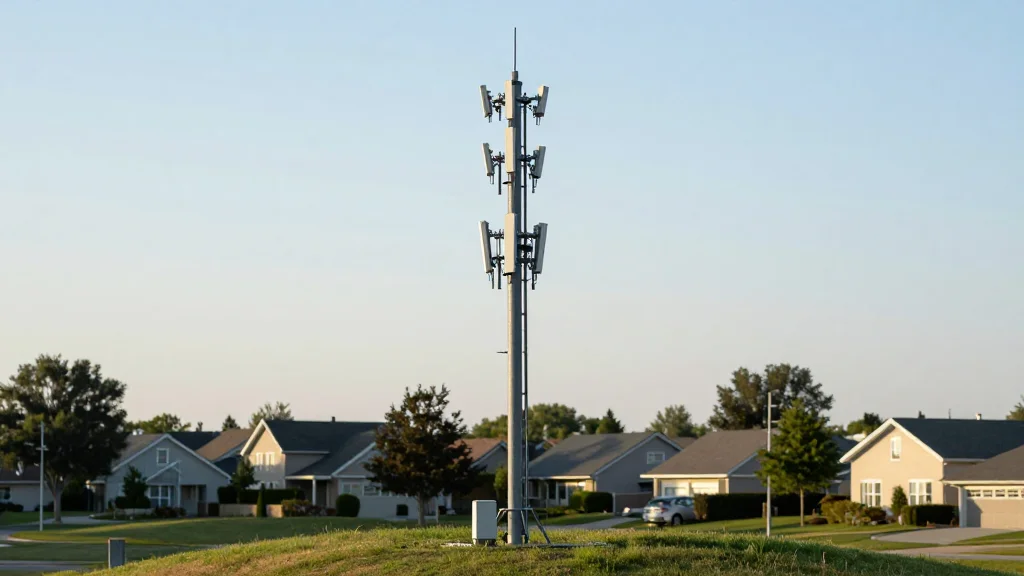
Residents Fight 165‑Foot Verizon Tower in Southampton Over Health and Property Concerns

Companies Mentioned
Why It Matters
The Southampton tower fight illustrates how local opposition can stall telecom infrastructure projects that are critical for closing the rural broadband gap. Health‑risk narratives and fears of declining property values have become powerful tools for residents to challenge zoning exemptions, forcing carriers to navigate a patchwork of municipal rules. The case also highlights the tension between federal policy that encourages network densification and state or town-level land‑use controls, a dynamic that could shape the pace of 5G and fixed‑wireless deployments across the United States. If the Planning Board grants the waiver, it could embolden other carriers to seek similar height exemptions, accelerating network upgrades in underserved areas. Conversely, a denial would reinforce community leverage, potentially prompting Verizon and its affiliates to explore alternative solutions such as small‑cell clusters or shared‑infrastructure agreements, reshaping how telecom firms approach rural expansion.
Key Takeaways
- •Atlantic Tower LLC (Vertex Towers affiliate) applied for a 165‑foot Verizon tower at 1 Cook Road, Southampton.
- •Residents claim 15 Southampton and >100 Easthampton homes lie within a 1,500‑foot radius of the site.
- •Attorney Francis Parisi cited that >50% of MA residents rely on cellphones and 80% of 911 calls are cellular.
- •Easthampton councilors Koni Denham, Tamara Smith and Kiam Jamrog‑McQuaid issued a joint opposition statement.
- •The Planning Board will vote on a zoning‑bylaw waiver next month, setting a precedent for future tower permits.
Pulse Analysis
The Southampton episode is a microcosm of a national pattern where telecom operators clash with hyper‑local sentiment. Historically, carriers have relied on the Federal Communications Commission’s authority to preempt local zoning when it impedes service expansion. However, recent court rulings have reinforced municipal rights to enforce height and aesthetic standards, giving residents a stronger foothold. In this context, Verizon’s reliance on an affiliate to file the permit may be a strategic move to distance the parent company from direct community backlash, a tactic seen in other states.
From a market perspective, the pressure to densify networks for 5G and fixed‑wireless broadband is intensifying, especially as the pandemic cemented remote work and education habits. Rural Massachusetts, with its patchwork of small towns, presents a logistical challenge: the cost of deploying small‑cell sites can outweigh the revenue potential, nudging carriers toward taller, multi‑operator towers. The opposition’s health argument, while scientifically contested, taps into a broader public skepticism about RF exposure that carriers must address through transparent studies and community outreach.
Looking ahead, the outcome of the Southampton decision could influence Verizon’s rollout strategy in New England. A favorable ruling may accelerate tower construction, but a denial could push the company to invest in alternative technologies—such as satellite‑backed broadband or shared‑infrastructure agreements with local utilities—to meet coverage goals without provoking further community resistance. The case underscores the need for telecom firms to blend technical planning with proactive stakeholder engagement, lest regulatory hurdles slow the very connectivity they aim to expand.
Residents Fight 165‑Foot Verizon Tower in Southampton Over Health and Property Concerns
Comments
Want to join the conversation?
Loading comments...