Retevis Unveils UHF Radio System to Eradicate Dead Zones on Construction Sites

Why It Matters
Reliable voice communication is a safety and productivity cornerstone on construction sites, where teams operate across multiple levels and confined spaces. By delivering a radio system that can pierce concrete and steel, Retevis addresses a niche yet critical gap in the telecom ecosystem, potentially reducing miscommunication‑related delays and hazards. The solution also illustrates a broader trend toward specialized, industry‑focused wireless gear, signaling that telecom manufacturers are moving beyond one‑size‑fits‑all products to address the unique demands of sectors like construction. If the technology lives up to its claims, it could encourage wider adoption of UHF‑based networks in other dense‑environment applications, such as underground mining or large‑scale manufacturing, expanding the market for rugged, high‑penetration radio equipment.
Key Takeaways
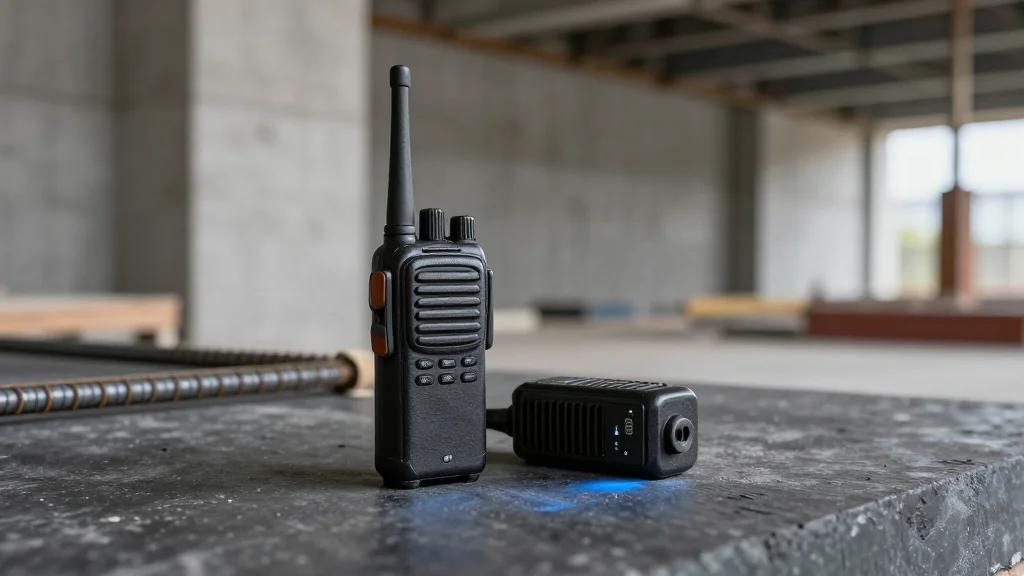
- •Retevis introduced the RT97L repeater paired with the RT29 UHF radio for construction sites
- •UHF frequencies are marketed as capable of penetrating concrete, steel and thick walls
- •The system is built for rugged, shock‑resistant operation in harsh environments
- •Installation is described as simple and scalable across single‑ or multi‑building projects
- •Retevis positions itself as a global leader in professional wireless communication solutions
Pulse Analysis
Retevis's entry into the construction‑focused telecom segment reflects a maturing market where generic consumer radios no longer satisfy the reliability requirements of high‑risk, high‑value projects. The shift to UHF aligns with a technical reality: lower‑frequency VHF signals struggle with the dense materials typical of modern skyscrapers and underground facilities. By packaging a repeater with a dedicated handset, Retevis reduces the engineering overhead for contractors, who can now purchase a turnkey solution rather than assembling a custom network.
Competitors such as Motorola Solutions and Hytera have long offered industrial radios, but few have highlighted a specific repeater‑radio pairing aimed at eliminating dead zones in vertical shafts. Retevis's claim of superior signal penetration could force rivals to accelerate their own UHF product development or to bundle repeaters more aggressively. The move also dovetails with the growing digitization of construction sites, where voice communication often integrates with IoT sensors and safety monitoring platforms. A reliable UHF backbone could become the conduit for real‑time data, further embedding telecom hardware into construction workflows.
Looking ahead, adoption will hinge on demonstrable performance in live projects. If early pilots confirm the promised coverage gains, we may see a rapid shift in procurement specifications, with owners and general contractors mandating UHF‑based systems for new builds. This could open a new revenue stream for telecom vendors and stimulate ancillary services such as network planning, installation, and maintenance tailored to the construction lifecycle.
Retevis Unveils UHF Radio System to Eradicate Dead Zones on Construction Sites
Comments
Want to join the conversation?
Loading comments...