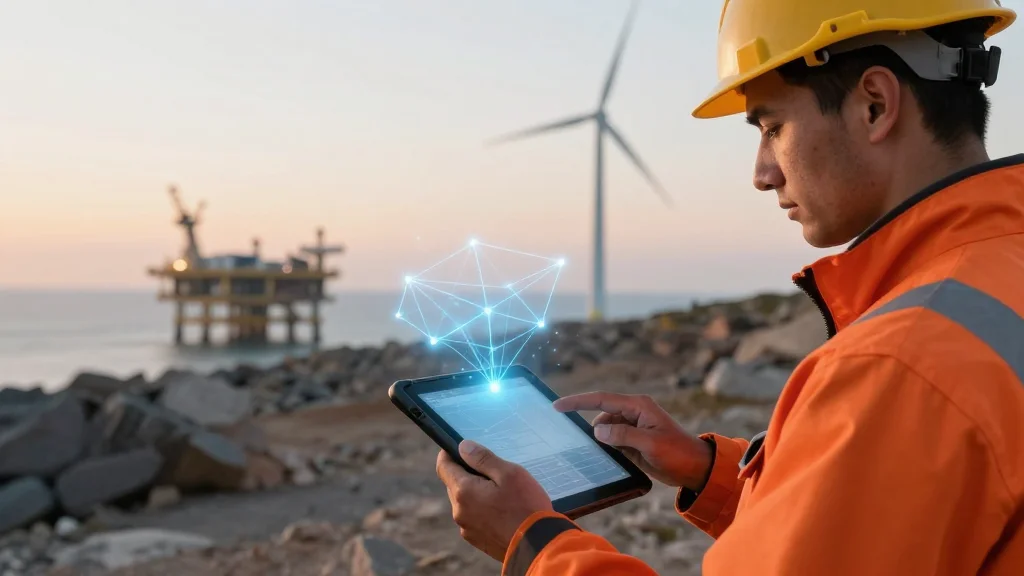
Why It Matters
By embedding 5G‑backed connectivity into field operations, energy companies can safeguard workers, cut operating costs and close the generational skills gap, positioning themselves competitively in a rapidly digitizing market.
Key Takeaways
- •5G private networks enable real‑time data for remote expert support
- •AR‑enabled helmets cut maintenance time and boost safety compliance
- •Predictive maintenance reduces downtime by up to 30% in pilot projects
- •Digital twins and IoT attract younger talent to energy firms
Pulse Analysis
The energy sector faces a perfect storm: an aging workforce, increasingly hostile operating conditions, and mounting pressure to improve safety and efficiency. Digital transformation, anchored by 5G, offers a lifeline. Technologies such as digital twins, IoT sensors, and augmented‑reality headsets provide continuous, high‑resolution insight into equipment performance, allowing operators to shift from reactive fixes to proactive, data‑driven decision‑making. This evolution not only mitigates risk but also creates a more attractive workplace for tech‑savvy talent who expect modern, connected tools.
Private cellular networks are the backbone of this transition. Ericsson’s 5G‑ready solutions deliver the high‑bandwidth, low‑latency connectivity required for mission‑critical applications like remote expert assistance, autonomous drones, and real‑time AR guidance. In the Tampnet partnership, offshore platforms now enjoy seamless data exchange, enabling predictive maintenance that anticipates failures before they occur. The result is a measurable reduction in unplanned downtime and maintenance costs, while enhancing compliance with stringent safety standards.
For executives, the business case is clear: connected workers translate into higher productivity, lower operational expenses, and a stronger talent pipeline. Real‑time communication reduces travel, cuts emissions, and improves work‑life balance, making energy firms more competitive in talent acquisition. As the industry scales these solutions, the cumulative impact will be a more resilient, agile sector capable of meeting global energy demands while safeguarding its most valuable asset—its people.
Rethinking the connected worker
Comments
Want to join the conversation?
Loading comments...