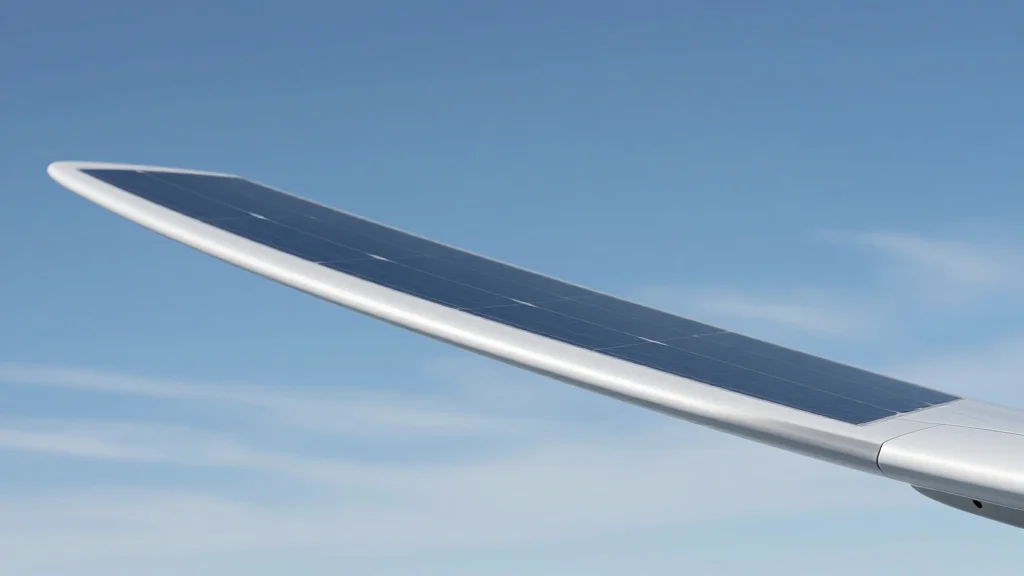
SoftBank and TOPPAN Unveil Ultra‑Light HAPS Wing Skin to Extend Stratospheric Broadband

Companies Mentioned
Why It Matters
The skin’s ability to withstand stratospheric UV and near‑freezing temperatures directly tackles the durability challenge that has slowed HAPS adoption. By extending flight time, telecom providers can offer a reliable, low‑latency broadband alternative in disaster zones and remote regions, reducing reliance on costly satellite launches or vulnerable ground infrastructure. Moreover, the material’s lightweight nature lowers overall aircraft weight, potentially decreasing operational costs and enabling larger payloads for communications equipment. In a broader sense, the SoftBank‑TOPPAN collaboration signals a shift toward modular, material‑focused innovation in telecom infrastructure. As operators look to diversify network layers—5G, satellite, and now HAPS—advances in airframe durability will be a decisive factor in determining which technologies achieve commercial scale.
Key Takeaways
- •SoftBank Corp and TOPPAN Holdings co‑developed a lightweight, impact‑resistant wing skin for solar HAPS aircraft.
- •The skin resists deep‑UV (UV‑C) radiation and temperatures as low as –100 °C, extending stratospheric operation.
- •Testing methodology replicates stratospheric conditions, accelerating certification for commercial use.
- •SoftBank plans to deploy HTA‑type HAPS with the new skin for broadband services starting in 2029.
- •Extended HAPS endurance could improve disaster‑response communications and serve remote, under‑connected regions.
Pulse Analysis
The SoftBank‑TOPPAN skin represents more than a materials upgrade; it is a strategic enabler for the emerging HAPS market. Historically, HAPS projects have stumbled over the trade‑off between payload capacity and endurance, with conventional skins adding weight and degrading under UV exposure. By stripping weight while bolstering durability, the new material could tip the economics in favor of HAPS, especially for telecom operators seeking to fill coverage gaps without the latency penalties of satellite links.
From a competitive standpoint, the partnership pits SoftBank’s ambitious HAPS roadmap against rivals like Alphabet’s Loon (now defunct) and Amazon’s Project Kuiper, which focus on satellite constellations. While satellites offer global reach, they suffer from higher latency and higher launch costs. HAPS, with a 20‑km operating altitude, can deliver low‑latency, high‑throughput services over a 100‑km radius, making them ideal for regional disaster recovery and rural broadband. The skin’s durability could shrink the cost gap by reducing maintenance cycles and extending mission duration, thereby improving return on investment.
Looking ahead, the success of this material could spur a cascade of ancillary innovations—lightweight solar cells, more efficient power‑management systems, and modular payload bays—creating a virtuous cycle of performance gains. If SoftBank meets its 2029 commercial launch target, the telecom industry may see a new tier of connectivity infrastructure that blends the flexibility of airborne platforms with the reliability of ground networks, reshaping how service providers approach coverage in hard‑to‑reach markets.
SoftBank and TOPPAN Unveil Ultra‑Light HAPS Wing Skin to Extend Stratospheric Broadband
Comments
Want to join the conversation?
Loading comments...