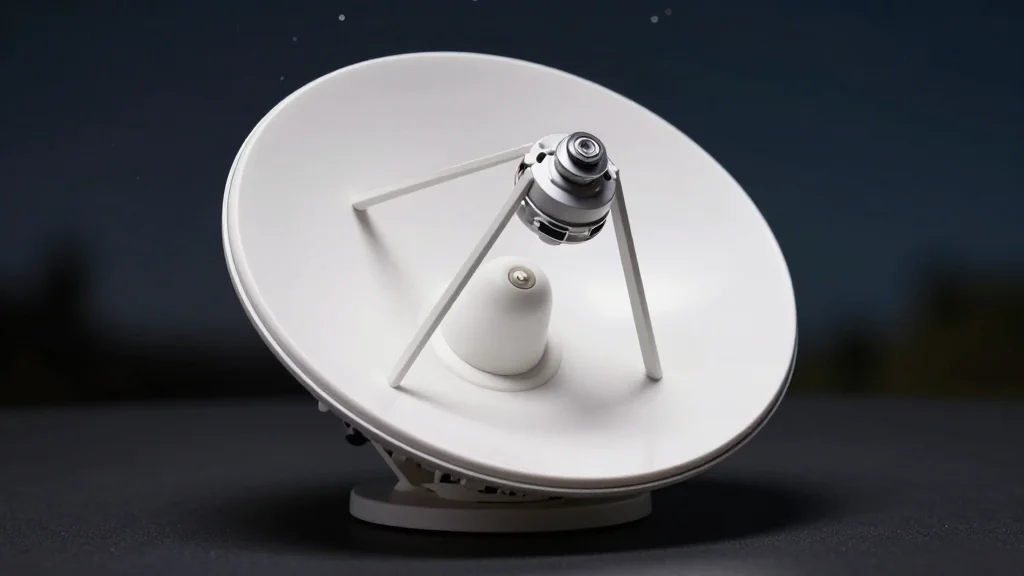
SpaceX's $2 Trillion IPO Push Fuels Starlink Expansion and Starshield Rollout

Companies Mentioned
Why It Matters
The convergence of a near‑$2 trillion IPO, a fresh wave of satellite deployments, and the UK’s adoption of Starshield signals a pivotal shift in how satellite capacity is financed and utilized. For telecom operators, the influx of capital could accelerate the rollout of high‑speed broadband to underserved regions, while also prompting regulators to grapple with the blurring lines between civilian and military satellite services. If SpaceX channels most of the IPO proceeds into Starlink Mobile, the company could challenge traditional mobile network operators by offering low‑orbit cellular coverage, potentially reshaping the global connectivity market. Conversely, a heavy tilt toward AI infrastructure would intensify competition with cloud giants, raising questions about the future revenue mix of a company that has historically relied on satellite broadband for profitability.
Key Takeaways
- •SpaceX aims for a $2 trillion IPO valuation, targeting up to $75 billion in new capital
- •Falcon 9 launched 29 Starlink satellites on June 4, adding to a constellation serving millions
- •UK defence ministry began moving operational traffic to Starshield, a secure variant of Starlink
- •Starlink generated $11.4 billion in sales last year, the only profitable SpaceX segment
- •Prospectus values Starlink Broadband at $870 billion and Starlink Mobile at $740 billion
Pulse Analysis
SpaceX’s upcoming IPO is more than a financial event; it is a strategic inflection point for satellite telecom. By positioning Starlink as a cash‑generating engine, the company can leverage the IPO proceeds to cement its dominance in low‑Earth‑orbit broadband while also laying the foundation for a mobile service that could undercut terrestrial carriers in remote markets. The rapid cadence of satellite launches—29 in a single mission—demonstrates that SpaceX has the launch capacity to scale quickly, a capability that few competitors can match.
However, the dual‑track approach of expanding both satellite broadband and AI infrastructure creates a tension over capital allocation. Investors are likely to scrutinize how much of the $75 billion raised will be funneled into the $1.6 trillion addressable market for Starlink versus the $26.5 trillion AI opportunity. If the balance tips toward AI, the satellite business could see slower growth, potentially opening space for rivals like OneWeb or Amazon’s Project Kuiper to capture market share in underserved regions.
The UK’s move to Starshield adds a geopolitical layer to the equation. As more NATO allies consider secure satellite links for defense, SpaceX could monetize a premium tier of service that commands higher fees, but it also invites regulatory scrutiny over the militarisation of commercial constellations. The outcome of the IPO will therefore not only set a valuation benchmark for the satellite‑internet sector but also influence how the industry navigates the intersection of commercial growth, national security, and emerging AI demands.
SpaceX's $2 Trillion IPO Push Fuels Starlink Expansion and Starshield Rollout
Comments
Want to join the conversation?
Loading comments...