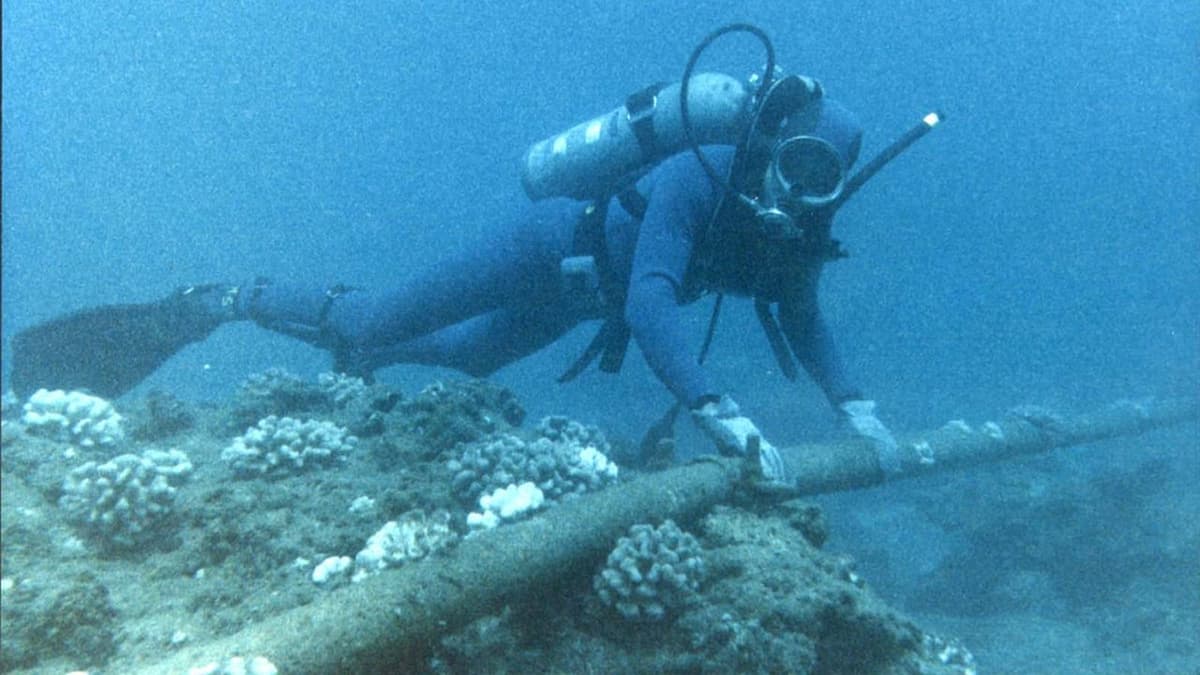
Subsea Cables Are Emerging as the New Underwater Battleground — These Are the Island Nations Most at Risk From Attacks

Why It Matters
A single cable failure can plunge an entire country into digital darkness, disrupting commerce, emergency services and national security; the growing undersea threat elevates the strategic importance of protecting global connectivity.
Key Takeaways
- •Five island nations depend on a single undersea cable, no redundancy
- •Iran, Russia, and China actively target or map submarine cable routes
- •Only four dedicated repair ships exist worldwide, slowing outage recovery
- •High‑risk scores: Iceland (5), Brunei and Bahrain (6) among island nations
Pulse Analysis
Undersea fiber‑optic cables carry over 95% of international data traffic, making them the backbone of the digital economy. While major economies benefit from multiple landing points and extensive backup routes, many small island states operate on a single conduit that links them to the global network. This structural fragility means that routine incidents—such as anchoring accidents or natural seabed shifts—can quickly evolve into prolonged outages, eroding tourism revenue, hindering remote education, and compromising critical government communications.
A recent comparative analysis by Comparitech evaluated cable density, fishing activity, and proximity to conflict zones to assign risk scores to 48 island nations. Iceland emerged as the most vulnerable European island, while Brunei and Bahrain topped the Asian list. Nations like Tuvalu, Nauru and Kiribati rely on solitary spurs of larger cable systems, leaving them one fault away from total isolation. The 2022 Tonga blackout, which lasted over five weeks after a volcanic event severed its lone cable, illustrates the real‑world consequences of such exposure.
Geopolitical competition is turning these silent arteries into contested terrain. Iran’s Revolutionary Guard has publicly mapped cable routes in the Strait of Hormuz, the UK has documented Russian submarine reconnaissance in the North Atlantic, and China has demonstrated a deep‑water cable‑cutting device capable of operating at 4,000 metres. Coupled with a global fleet of only four dedicated repair vessels, the capacity to respond to sabotage or accidental damage is limited. Policymakers and telecom operators must therefore prioritize redundancy, regional repair assets, and international cooperation to safeguard the undersea infrastructure that underpins modern commerce and security.
Subsea cables are emerging as the new underwater battleground — these are the island nations most at risk from attacks
Comments
Want to join the conversation?
Loading comments...