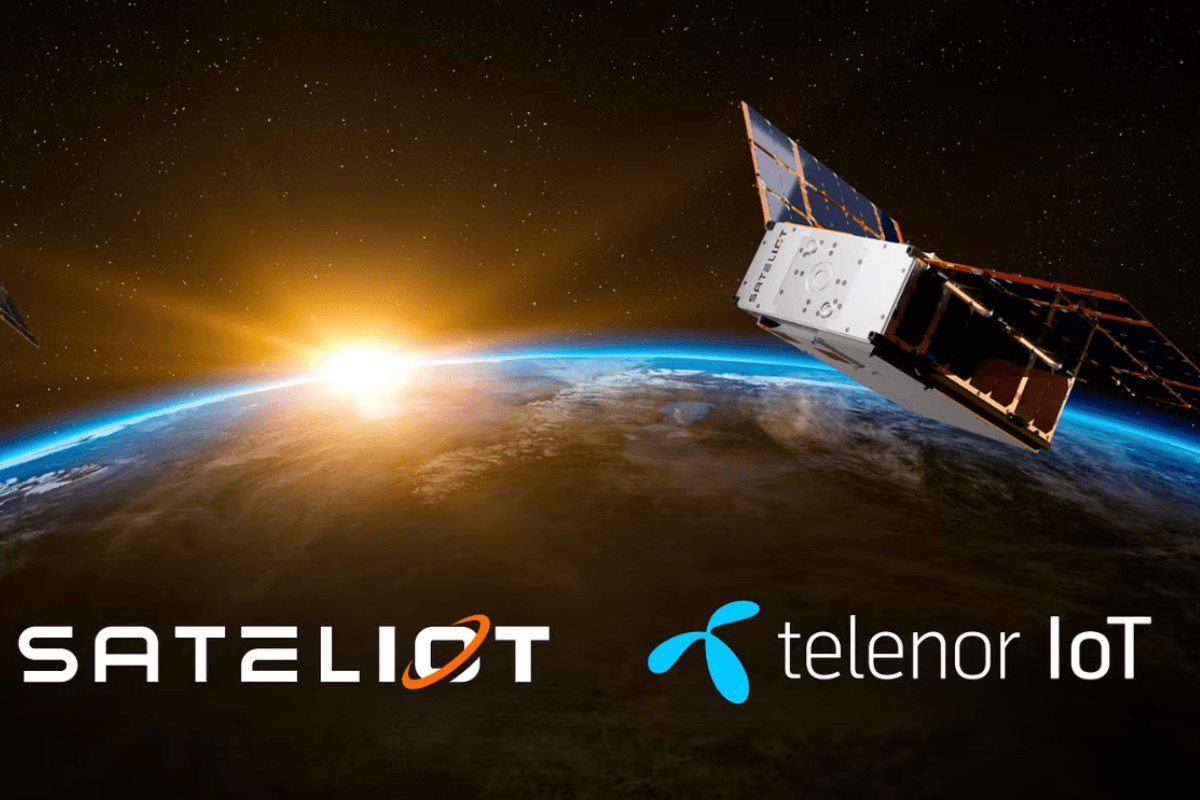
Telenor and Sateliot Want IoT Devices to Stay Connected Beyond Mobile Networks
Companies Mentioned
Why It Matters
By eliminating the need for proprietary satellite hardware, the alliance lowers cost and complexity, accelerating large‑scale IoT adoption in underserved regions and opening new revenue streams for telecom operators.
Key Takeaways
- •Standard NB‑IoT devices can connect to LEO satellites without new hardware
- •Telenor IoT SIMs stayed linked to Sateliot’s satellite network in Spain
- •Hybrid connectivity targets agriculture, logistics, energy, and environmental monitoring
- •3GPP Release 17 NTN standard enables seamless terrestrial‑satellite roaming
Pulse Analysis
The telecom sector is increasingly treating satellite links as an extension of existing mobile infrastructure, a trend epitomized by Telenor IoT’s deal with Sateliot. Historically, satellite IoT required bespoke antennas and proprietary protocols, limiting scale. Sateliot’s network, built around the 3GPP Release 17 Non‑Terrestrial Network (NTN) specification, allows off‑the‑shelf NB‑IoT modules to communicate directly with LEO satellites. This standards‑based approach reduces device cost, shortens time‑to‑market, and aligns satellite connectivity with the familiar cellular ecosystem, making it more attractive to device manufacturers and enterprise buyers.
For industries that operate beyond the reach of conventional towers—such as precision agriculture, maritime logistics, remote energy assets, and environmental monitoring—the hybrid model promises uninterrupted data streams. Telenor’s field trials in Spain demonstrated that its IoT SIM cards could remain attached to Sateliot’s satellite layer for extended periods, confirming real‑world viability. As operators replicate these tests across Europe, Asia and Africa, businesses can anticipate a single, globally roaming IoT device that automatically selects the strongest link, eliminating the need for dual‑stack hardware and complex network management.
The partnership also underscores the strategic importance of 3GPP standards in shaping the future of non‑terrestrial networks. By embedding satellite access into the same protocol stack used for 5G and NB‑IoT, operators can monetize existing spectrum assets while offering new services. In markets like India, where remote connectivity is a development priority, such hybrid solutions could accelerate digital inclusion for agriculture, mining, and disaster response. As more carriers adopt NTN‑enabled devices, the line between terrestrial and space‑based communications will blur, driving a new wave of IoT innovation and revenue growth.
Telenor and Sateliot Want IoT Devices to Stay Connected Beyond Mobile Networks
Comments
Want to join the conversation?
Loading comments...