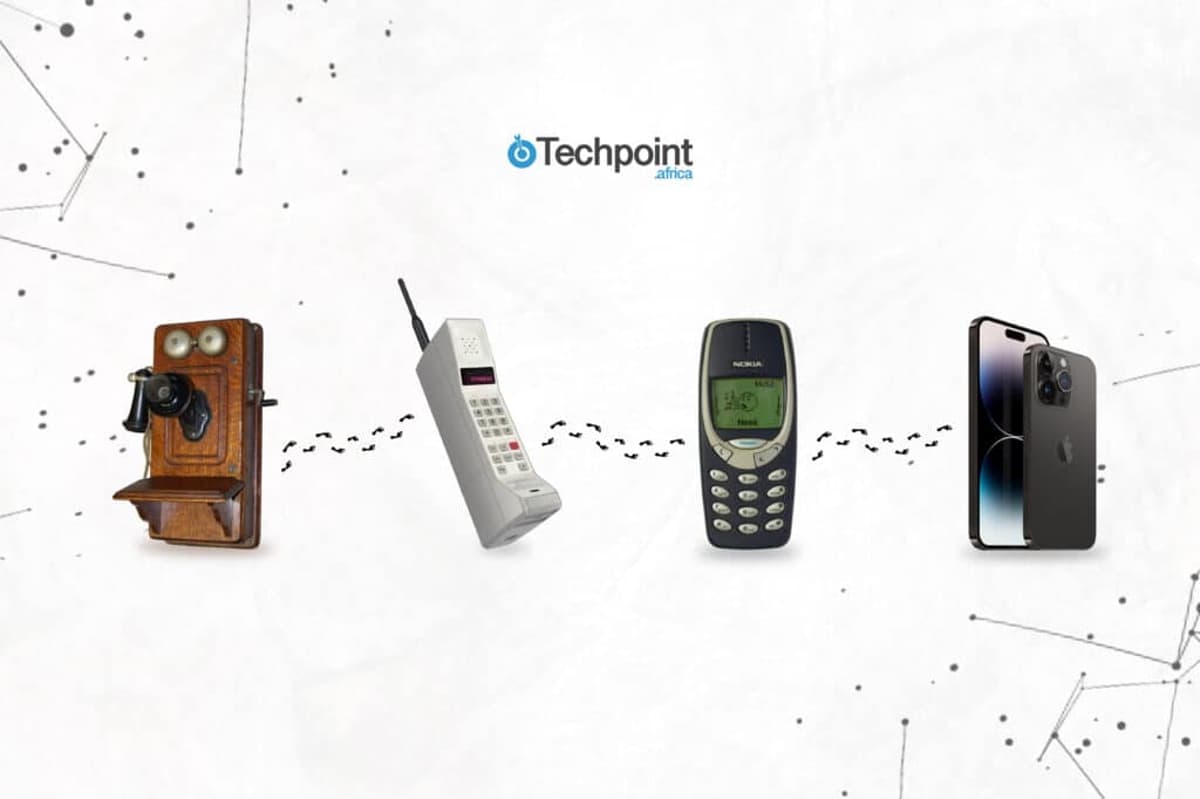
The Auction that Changed Everything: How Nigeria’s 2001 GSM Licence Sale Built the Foundation of a Tech Economy
Companies Mentioned
Why It Matters
The auction demonstrated how transparent, rules‑based market entry can unlock massive private investment and catalyze a digital economy, reshaping Nigeria’s growth trajectory and offering a template for other sectors.
Key Takeaways
- •2001 auction raised $855 million, surpassing UK spectrum revenues per MHz
- •Mobile subscriptions jumped from 400k to 60 million within seven years
- •Fintech unicorns like Interswitch and Flutterwave owe growth to GSM connectivity
- •NCC’s transparent auction model attracted over $75 billion in telecom investment
Pulse Analysis
The 2001 Nigerian GSM licence auction marked a decisive break from decades of state‑run telephony that left most of the 120 million‑strong population without reliable service. By replacing NITEL’s monopoly with a transparent, ascending‑clock spectrum sale, the government signaled a commitment to market‑based competition and attracted seasoned operators such as MTN and Econet. The auction’s design—mandating a $20 million deposit and a swift $265 million balance—ensured only financially robust bidders could secure licences, while the involvement of London‑based Radio Spectrum International added technical credibility.
The immediate effect was a rapid surge in mobile connectivity. Within a year, the three winners delivered 1.57 million subscribers, beating the government’s two‑year target of 1.2 million lines. By 2008, subscriber numbers hit 60 million, and today Nigeria enjoys an 85% teledensity with 184 million active users. Competition intensified when Globacom entered in 2003, introducing per‑second billing that forced incumbents to lower prices and improve service quality. This competitive environment not only expanded coverage but also lowered the cost of mobile access, making phones a ubiquitous tool for everyday commerce.
Beyond voice services, the auction’s legacy is evident in Nigeria’s fintech boom. Mobile penetration created a ready‑made network for USSD‑based banking, digital wallets, and payment gateways, enabling startups like Interswitch (2002) and Flutterwave (now >$3 billion valuation) to build on a reliable GSM backbone. The sector has attracted more than $75 billion in cumulative investment, underscoring how transparent regulation can mobilize capital at scale. Policymakers in other Nigerian industries are now looking to replicate this model, recognizing that clear rules, independent oversight, and open competition are essential ingredients for sustainable economic transformation.
The auction that changed everything: How Nigeria’s 2001 GSM licence sale built the foundation of a tech economy
Comments
Want to join the conversation?
Loading comments...