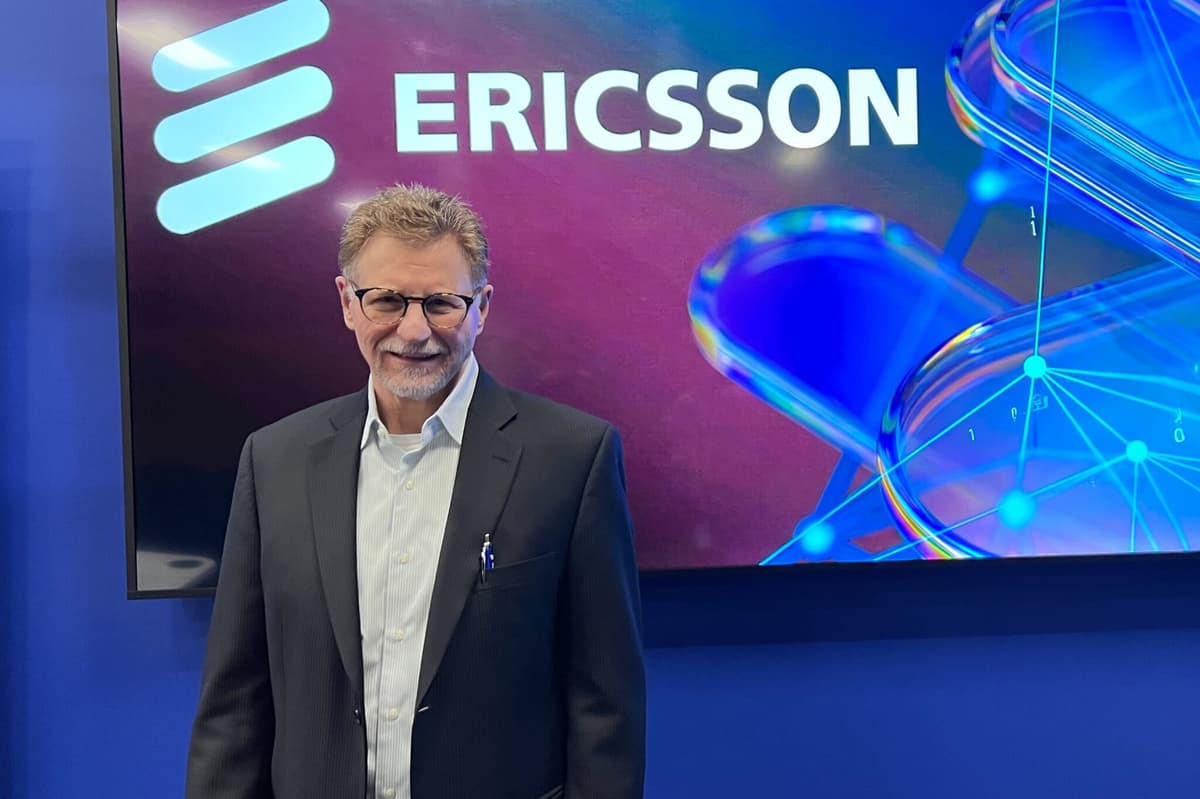
The Man Who Helped Build Five Generations of Wireless Retires From Ericsson’s Ottawa Lab
Companies Mentioned
Why It Matters
Cavaletti’s retirement marks a generational shift in a key North American telecom R&D center, influencing the pace of 5G/6G innovation for Canada’s major carriers. Leadership continuity under Leppert ensures momentum on next‑gen wireless research critical to global competitiveness.
Key Takeaways
- •Cavaletti led Ericsson’s Ottawa R&D lab for six years.
- •Lab grew to 1,700 staff, adding 500 employees in five years.
- •Mentorship program aims to transfer decades of wireless expertise.
- •Ericsson Canada CTO Tania Leppert will succeed Cavaletti as site lead.
- •Ottawa lab now focusing on 6G, targeting commercial rollout by early 2030s.
Pulse Analysis
Ericsson’s Ottawa laboratory has long been a crucible for wireless breakthroughs, from early 3G work on the former Nortel platform to today’s 5G rollouts for Bell, Telus and Rogers. The lab’s expansion to 1,700 engineers reflects a broader industry trend of consolidating research talent in strategic hubs, allowing faster iteration cycles and tighter collaboration with carrier partners. By nurturing a mentorship pipeline, Ericsson safeguards institutional knowledge, ensuring that the expertise of veterans like Cavaletti is passed to the next generation of innovators.
The transition to Tania Leppert’s leadership comes at a pivotal moment as the telecom sector pivots toward 6G. While 5G is still being fully deployed across Canada, Ericsson is already testing ultra‑high‑frequency bands and AI‑driven network automation that promise to blur the line between physical and digital realms. The Ottawa team’s focus on zero‑touch operations and cyber‑physical integration positions the lab as a key contributor to the standards that will define the next decade of connectivity.
Beyond the technical roadmap, the Ottawa site’s growth underscores the economic impact of high‑tech R&D in Canada. Adding 500 staff in five years has generated significant high‑pay jobs and reinforced the country’s role in the global telecom supply chain. As the industry eyes a 6G commercial debut by the early 2030s, Ericsson’s North American research hub will likely attract further investment, talent, and partnerships, cementing Canada’s status as a strategic node in the evolution of wireless communications.
The man who helped build five generations of wireless retires from Ericsson’s Ottawa lab
Comments
Want to join the conversation?
Loading comments...