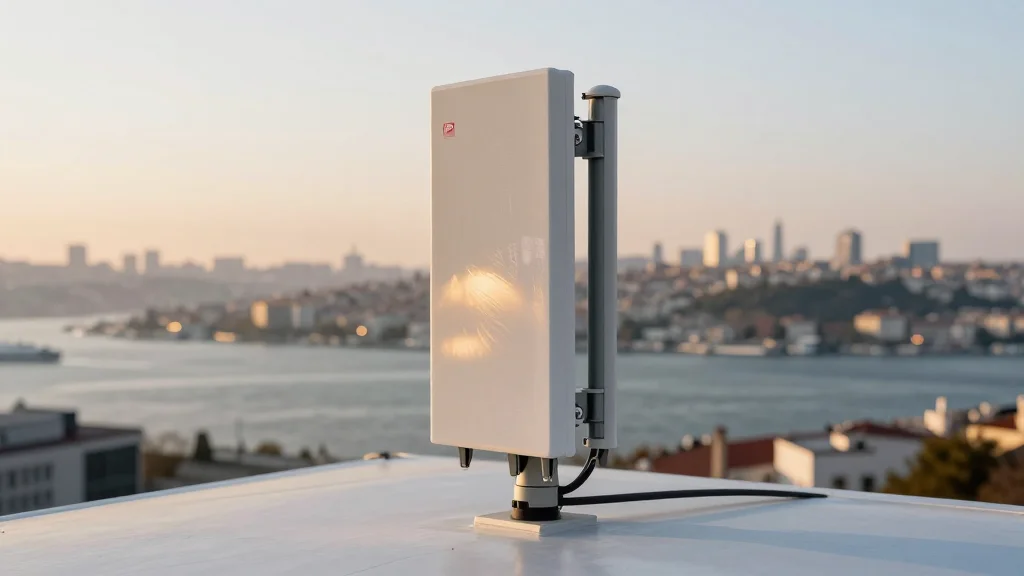
Turkey Launches Nationwide 5G Network, Mandates 60% Local Equipment

Companies Mentioned
Why It Matters
Turkey’s 5G launch demonstrates how a country can accelerate digital transformation while pursuing strategic independence in critical infrastructure. By mandating 60% domestic equipment, the government is fostering a homegrown telecom ecosystem that could reduce exposure to geopolitical supply‑chain shocks and create export opportunities for Turkish vendors. The move also reshapes regional competition. Neighboring states that have relied heavily on foreign suppliers may feel pressure to adopt similar localisation policies, potentially fragmenting the global 5G market and opening space for new players. For investors, the policy signals a long‑term commitment to infrastructure spending, but also introduces regulatory risk tied to compliance and quality standards.
Key Takeaways
- •Three operators—Turkcell, Vodafone Turkey, Türk Telekom—activated 5G across all 81 provinces
- •Spectrum auction raised $2.95 bn, surpassing the $2.125 bn target
- •Government mandates 60% of 5G equipment be domestically produced, 30% from nationally owned firms
- •Operators must invest 5% of annual revenue in infrastructure from 2029‑2042
- •Full nationwide coverage targeted for late 2026, with private‑network pilots already planned
Pulse Analysis
Turkey’s decision to couple a nationwide 5G rollout with an aggressive localisation agenda reflects a broader shift among emerging economies toward technology sovereignty. Historically, telecom infrastructure has been dominated by a handful of multinational vendors whose supply chains are vulnerable to sanctions and trade disputes. By forcing 60% local content, Turkey is not only insulating itself from external pressure but also attempting to cultivate a domestic champion ecosystem that can compete on price and innovation.
The policy, however, carries execution risk. Domestic manufacturers must meet the performance and reliability standards set by global operators, a challenge that requires substantial R&D investment and scale. The 2023 R&D programme involving 14 firms is a promising start, yet the timeline for certifying mass‑produced base stations remains tight. If Turkish vendors fall short, operators may face higher operational costs or delayed network optimisation, potentially eroding the commercial benefits of early 5G adoption.
From a market perspective, the rollout could catalyse a new wave of industry verticals—smart logistics, precision agriculture, and tele‑medicine—particularly in regions where latency and device density are critical. The 5% revenue‑investment rule ensures a steady flow of capital, but it also compresses operators’ profit margins in the short term. Investors will be watching the balance between sustained capex and the emergence of locally sourced equipment that could lower long‑term operating expenses. If Turkey succeeds, it may set a template for other nations seeking to blend rapid digitalisation with strategic autonomy, reshaping the competitive dynamics of the global telecom supply chain.
Turkey launches nationwide 5G network, mandates 60% local equipment
Comments
Want to join the conversation?
Loading comments...