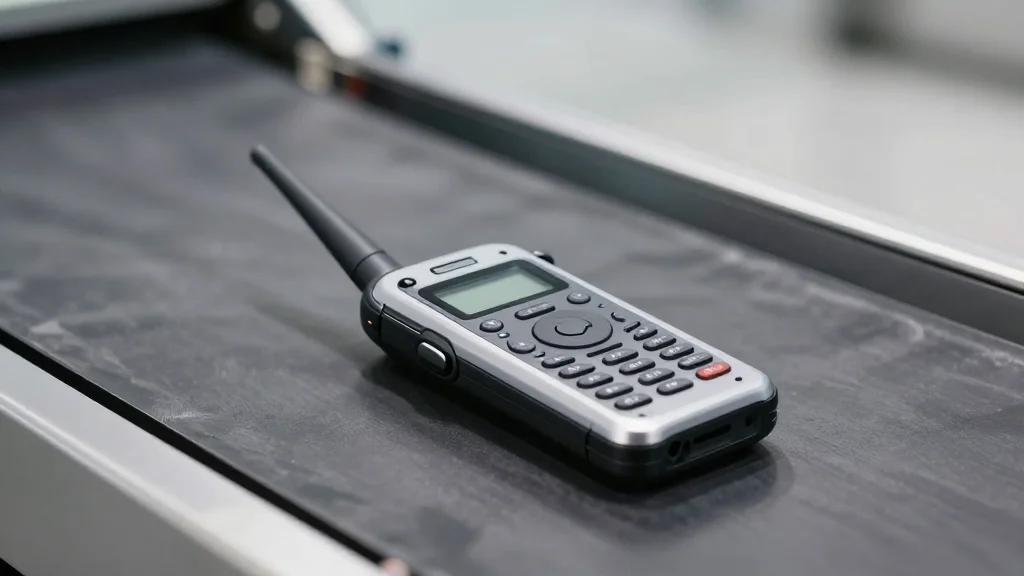
Two U.S. Tourists Detained at Srinagar Airport Over Illegal Satellite Phone

Why It Matters
The detention highlights the clash between emerging satellite communication technology and national security policies in a geopolitically sensitive region. For telecom operators, it reinforces the importance of adhering to local licensing regimes, especially when devices can bypass terrestrial networks. For the tourism sector, the case serves as a cautionary tale that non‑compliance can lead to legal entanglements, potentially deterring visitors and affecting revenue in a region that relies on adventure tourism. Moreover, the incident may prompt diplomatic dialogue between India and the United States over the treatment of citizens and the harmonisation of telecom regulations. A stricter enforcement stance could influence future policy revisions, possibly leading to more transparent processes for obtaining satellite phone authorisations for legitimate travel purposes.
Key Takeaways
- •Two U.S. tourists detained at Srinagar Airport after a satellite phone was found in their luggage
- •Indian law requires prior DoT authorisation and customs declaration for satellite phones
- •Police quoted: "A restricted communication device was detected during their luggage screening after which they were detained for questioning"
- •Only government‑approved satellite devices are legal; foreign services like Thuraya and Iridium are banned
- •Detention underscores security concerns in border regions and raises compliance questions for tourists
Pulse Analysis
The Srinagar incident is a micro‑cosm of a larger tension between the rapid diffusion of satellite communication tools and state‑level security imperatives. Historically, India has maintained a cautious stance toward non‑governmental satellite services, dating back to the 1990s when the Indian Telegraph Act was amended to tighten control over cross‑border communications. The current enforcement reflects an evolution from blanket bans to a nuanced licensing framework that seeks to balance legitimate emergency use with the risk of unmonitored data flows.
From a market perspective, the episode could dampen demand for consumer‑grade satellite phones among travelers, pushing manufacturers to focus on niche segments like expeditionary services that can secure the necessary clearances. Telecom operators with satellite backhaul capabilities may also reassess their deployment strategies in border states, opting for tighter integration with the DoT’s approved channels to avoid regulatory friction. In the short term, travel agencies are likely to update pre‑departure checklists, adding explicit warnings about satellite device declarations, which could translate into a modest dip in bookings for high‑altitude treks that traditionally rely on such equipment.
Looking ahead, the case may catalyse policy dialogue aimed at simplifying the licensing process without compromising security. If India introduces a streamlined, perhaps digital, authorisation portal for tourists, it could mitigate the risk of inadvertent violations while preserving the state’s oversight. Conversely, a hardening of enforcement could spur diplomatic outreach from the United States, seeking assurances for its citizens. Either trajectory will shape how satellite communications are woven into the fabric of cross‑border travel and could set precedents for other nations grappling with similar security‑technology trade‑offs.
Two U.S. Tourists Detained at Srinagar Airport Over Illegal Satellite Phone
Comments
Want to join the conversation?
Loading comments...