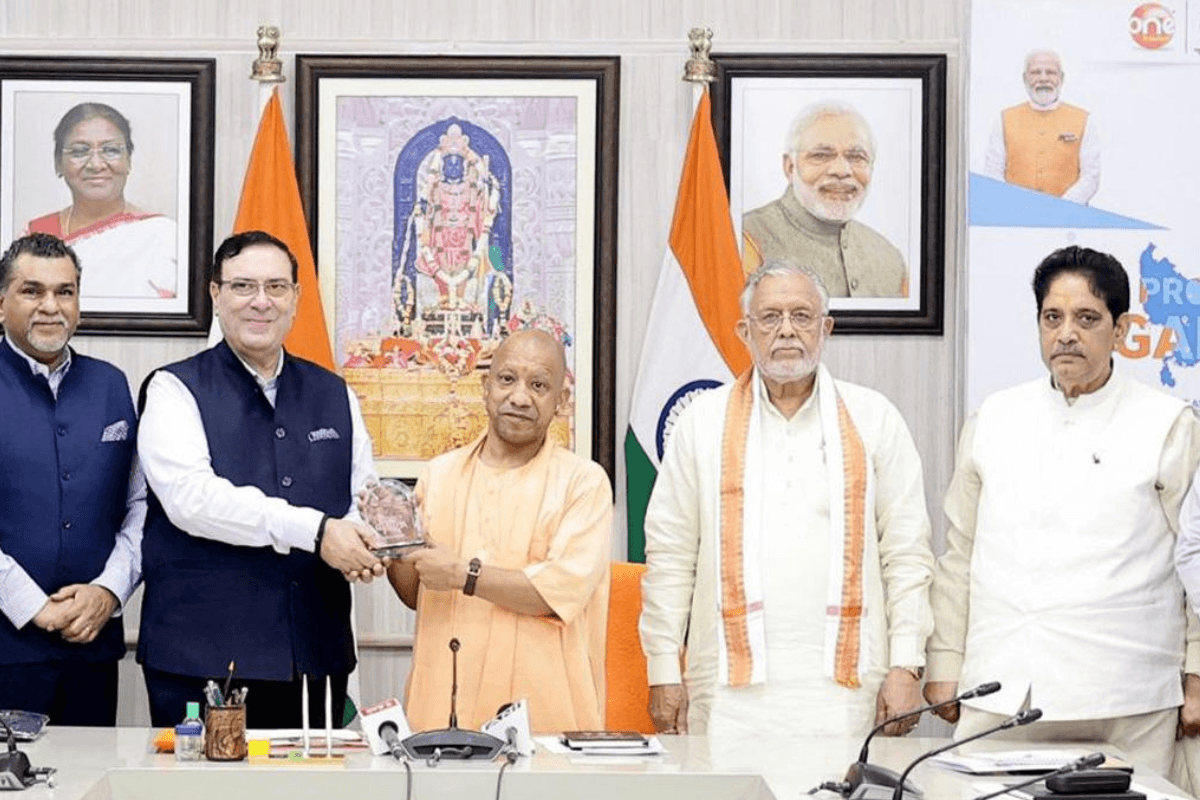
UP Wants to Connect 20 Lakh Homes With Broadband: What Is Project GANGA?
Companies Mentioned
Why It Matters
Connecting millions of homes will accelerate digital inclusion, boost remote work, education and health services, and stimulate Uttar Pradesh’s economy. The model also cultivates a large ecosystem of local entrepreneurs, positioning the state as a telecom growth hub in India.
Key Takeaways
- •Project GANGA targets 20 lakh (2 million) homes in 2‑3 years
- •Up to 10,000 local DSPs will deliver last‑mile broadband
- •Initiative aims to create 100,000 direct and indirect jobs
- •Women entrepreneurs expected to represent 50% of DSP partners
Pulse Analysis
India’s digital divide remains stark, especially in densely populated states like Uttar Pradesh, where over 200 million residents still lack reliable high‑speed internet. Recognizing broadband as a catalyst for education, healthcare and economic mobility, the state government has earmarked substantial budgetary resources to bridge this gap. Project GANGA aligns with national initiatives such as Digital India, but distinguishes itself by setting an aggressive target of connecting 2 million households within a short three‑year horizon, a scale that could reshape the region’s connectivity landscape.
The partnership with OneOTT Intertainment Limited, a subsidiary of Hinduja Global Solutions, brings proven infrastructure expertise to the table. Leveraging a network that already serves 5 million homes across 4,500 pin codes, the project will deploy over 2 lakh kilometres of fibre, while empowering 8,000‑10,000 local Digital Service Providers at the Nyaya Panchayat level. This DSP model not only ensures last‑mile delivery but also creates a pipeline of 100,000 jobs, with a deliberate focus on youth, women and small‑business entrepreneurs under the CM‑YUVA scheme, fostering inclusive growth.
For the broader telecom market, Project GANGA signals a shift toward decentralized, entrepreneur‑driven broadband expansion, challenging traditional operator‑centric models. The influx of new DSPs could intensify competition, driving down prices and improving service quality for consumers. Moreover, the enhanced digital infrastructure is likely to attract investment in e‑commerce, fintech and remote‑work platforms, further integrating Uttar Pradesh into the global digital economy. As the rollout progresses, stakeholders will watch closely to gauge the replicability of this model in other Indian states and emerging markets worldwide.
UP Wants to Connect 20 Lakh Homes With Broadband: What Is Project GANGA?
Comments
Want to join the conversation?
Loading comments...